Get Full Government Meeting Transcripts, Videos, & Alerts Forever!
Get email alerts on the Education Finance topic
No spam. Unsubscribe anytime.
Senate passes bill easing security deposit requirement for three self-insured school districts
Summary
The Senate approved SB 904 to allow certain self-insured school districts to seek an exemption from a workers'compensation security deposit by demonstrating sound reserves and providing recent audits; sponsors said the change will free tens of thousands of dollars for affected districts.
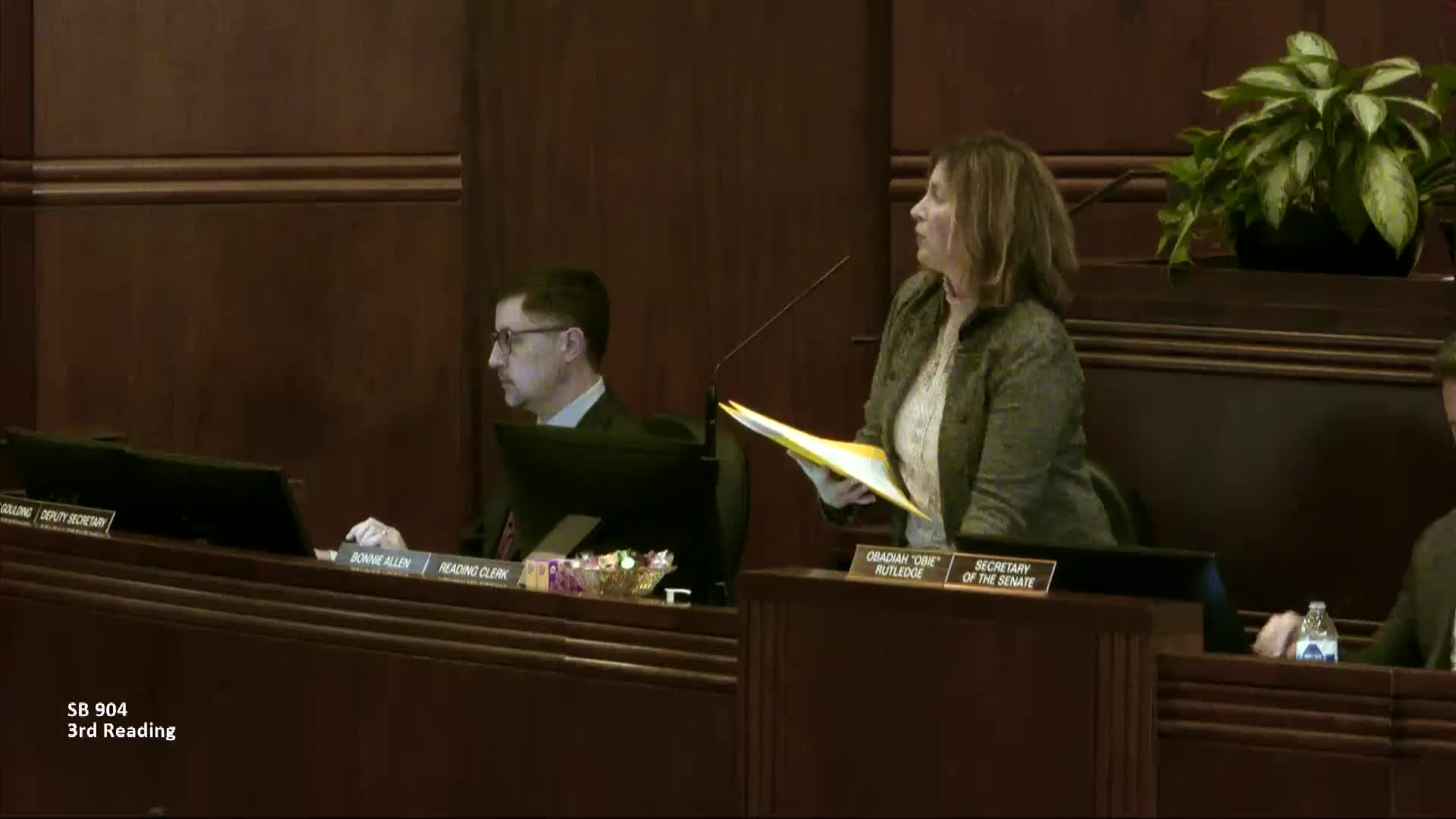
Senate Bill 904, which adds self-insured school districts to an existing exemption process for workers'compensation security deposits, passed the Oregon Senate on third reading during the April 8, 2025 floor session. Senator Taylor, who presented the bill, said it would allow Beaverton, Portland and Salem-Keizer school districts to apply for the same exemption other public entities already use.
Under current practice, some self-insured school districts must post security deposits to guarantee payment of workers compensation claims; SB 904 directs that these districts may follow the established exemption process used by many cities and counties by demonstrating a sound loss reserve account and filing their most recent audit with the Secretary of State. Senator Taylor said the change would yield savings for the named districts, for example noting Portland Public Schools would save about $10,000 and Beaverton would save about $30,000 annually.
Senator Taylor said the bill had the approval of MLAC and does not affect services, teachers, or the state budget. There were no extended floor debates on the measure; the third-reading roll call indicated the measure received a constitutional majority and the clerk recorded the bill as passed.
Next steps: With Senate passage recorded on the April 8 floor, the measure will proceed according to the legislative calendar for any further action required.
Ending note: Sponsors framed the bill as a technical fix to extend an existing administrative exemption process to certain self-insured school districts and to reduce recurrent cash costs for those districts.