Lifetime Citizen Portal Access — AI Briefings, Alerts & Unlimited Follows
WaterSC urges shared-responsibility approach in state water plan update; utilities flag ‘on-paper’ over-allocation
Loading...
Summary
Myra Reese, chair of WaterSC, told the Surface Water Study Committee on Oct. 12 that the working group is preparing an updated South Carolina state water plan due by the end of the year and that the group’s guiding principle is that “water is a shared resource with shared responsibility.”
Myra Reese, chair of WaterSC, told the Surface Water Study Committee on Oct. 12 that the working group is preparing an updated South Carolina state water plan due by the end of the year and that the group’s guiding principle is that “water is a shared resource with shared responsibility.”
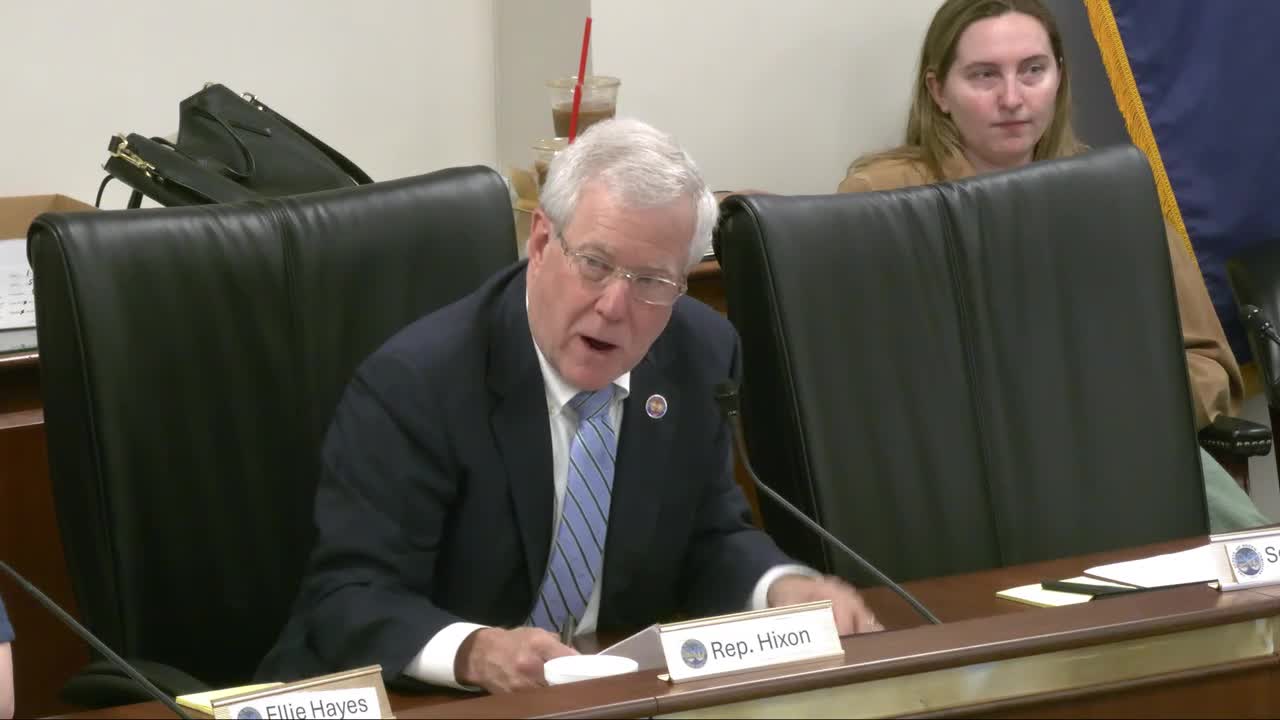
The update — delivered at a committee meeting co‑chaired by Rep. Bill Hixson — summarized recent WaterSC work on groundwater conditions, local groundwater capacity‑use programs, a statewide groundwater monitoring network and a panel discussion on conjunctive use (coordinated use of surface water and groundwater). Reese said the group is planning public listening sessions on water reuse as part of the outreach process.
Why it matters: the state water plan will guide how surface water and groundwater are monitored, allocated and conserved across river basins and groundwater capacity‑use areas. That affects public water suppliers, farmers, businesses, tourism and coastal communities and could shape future permitting and local planning.
Reese said WaterSC has emphasized a collaborative, science‑based approach that balances economic, environmental and community needs. She described the working group’s focus areas as guiding principles and values, the state of groundwater, and conjunctive use strategies that can provide flexibility and resilience for users. Reese told the committee the state’s groundwater monitoring network includes more than 180 wells, about 20 of which are U.S. Geological Survey wells and roughly 160 previously monitored by the Department of Natural Resources before water planning functions moved to the Department of Environmental Services.
The presentation outlined how groundwater capacity‑use areas — concentrated across the coastal plain — are managed locally, typically with a local groundwater management plan that includes monitoring, conservation education and periodic reviews. Reese cited a McQueen‑aquifer hydrograph as an example in which a capacity‑use program was followed by aquifer recovery after a period of decline.
On conjunctive use, Reese described panel discussions that included a municipal utility and agricultural and energy users. She said the Grand Strand Water and Sewer Authority stores treated surface water and injects or holds it for use during peak demand events, and that a farm presented examples of pond storage and stormwater reclamation. Reese also said Dominion Energy described switching from groundwater to surface water at a generating station when groundwater supplies were stressed.
Tommy Lavender, speaking on behalf of the Chamber of Commerce, thanked the committee for the WaterSC process and said the chamber’s members generally view the current statutory and regulatory framework as adequate if it is applied strictly. Lavender said, “the current statutory and regulatory framework has not been demonstrated to be inadequate to preserve and protect the state's water resources,” and urged that the update follow the existing planning format while maintaining existing groundwater and surface water programs.
Frank Eskridge, director of utility operations for Columbia Water and speaking for the Municipal Association of South Carolina, supported updating the state water plan and emphasized towns and cities’ role building and operating water and wastewater infrastructure. Eskridge said statewide planning shows “we have sufficient water for an approximate 50‑year window under normal, moderate and high growth scenarios,” but he warned some basins are “over allocated on paper” under the surface water withdrawal framework. He added that utilities often hold permits for long‑term, ultimate intake capacity even when current use is well below that permitted level.
Eskridge proposed a voluntary, collaborative framework among existing registrants and permittees that would allow permittees in a basin to work together to free up available withdrawal capacity for new users rather than rely on unilateral reallocation. He described that approach as similar to existing voluntary arrangements on the wastewater side.
Committee members asked about consolidation of water systems, interstate issues and new industrial uses. Rep. Roger Kirby asked whether WaterSC has discussed consolidation for public water utilities; Lavender said the group had not focused on consolidation of water utilities specifically, though utility consolidation appears in other planning contexts. Lawmakers raised interstate concerns: Reese said she had seen a recent North Carolina bill related to interbasin transfers and that Georgia is planning increased surface‑water use in the Savannah area to support economic growth.
Sen. Rice and others asked whether planning should vary by geography; Reese and committee members noted that basin‑level and local groundwater plans already reflect regional differences — for example the fall line and coastal plain aquifers — and that surface‑water basin planning and groundwater capacity‑use programs are intended to account for those differences while recognizing the interconnection between surface and groundwater.
Several members also raised future demand risks tied to data centers and other high‑usage facilities; the panel noted that modern industry often reduces water intensity, but that large new uses merit additional study.
No formal committee votes were recorded at the meeting. Reese closed by noting upcoming listening sessions on water reuse and by returning the working group’s draft recommendations to the Surface Water Study Committee for further review before any legislative action.
The committee said it will distribute notices for another meeting and follow up on requests for additional documentation provided during the hearing, including copies of examples referenced by speakers who questioned whether enforcement of existing rules was adequate.