Get Full Government Meeting Transcripts, Videos, & Alerts Forever!
Get email alerts on the Electronic Evidence Discovery topic
No spam. Unsubscribe anytime.
Sibling dispute over life-insurance beneficiary turns on digital evidence and discovery battles
Summary
In a civil appeal over alleged fraudulent beneficiary changes, sibling appellants told the Appeals Court April 3 they were blocked from vital digital discovery and that Google account metadata created a disputed timeline; the named defendant said the record contains no proof she submitted the 2019 beneficiary changes.
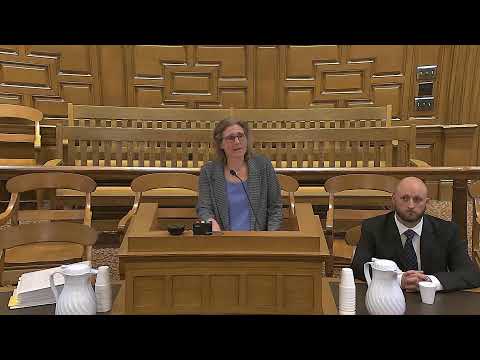
The Appeals Court on April 3 heard argument in Posner v. Hilton, a civil appeal driven by allegations that a beneficiary change to a decedents life insurance and retirement accounts was fraudulent and that discovery was obstructed.
Anna and James Hiltonpro se in parts of the lower-court litigation and arguing now as appellantstold the panel they were thwarted in discovery when the named defendant, Marion Hilliard, retained or removed physical devices and declined to produce certain hard drives and other materials. The Hiltons said they remotely accessed some Google account records using a password Hilliard wrote down after the decedents death and that Google Maps metadata showed the decedents location at a time inconsistent with Hilliards asserted access to employer portals.
Hilliardrepresented by Pamela Pardoand her counsel contended the record contains no evidence that Hilliard submitted the beneficiary-designation forms to Life Insurance Company of North America or to Fidelity in 2019. "There's no evidence," Pardo told the panel when pressed about what the Hiltons proffered to show Hilliard made the changes.
The court pressed technical questions. The Hiltonswho described using a password recorded by Hilliard to access a Google accountargued a Google "My Activity" screenshot showing a map box and a timestamp supports an inference the decedent was driving and could not have submitted a change minutes later from work. The panel asked whether expert authentication would be required to tie browser logs and timestamps to a specific user and whether the Hiltons had preserved such expert proof below; the panel noted a motion in limine had limited expert evidence.
Why it matters: The dispute centers on (1) whether electronic audit trails and metadata can create genuine issues for trial about who acted on online portals to change beneficiary designations, and (2) whether discovery orders and the special masters rulings below prevented the Hiltons from obtaining material evidence. The case implicates authentication rules for electronic evidence and routine discovery practice for digital records.
The court took the appeal under advisement after extended argument.