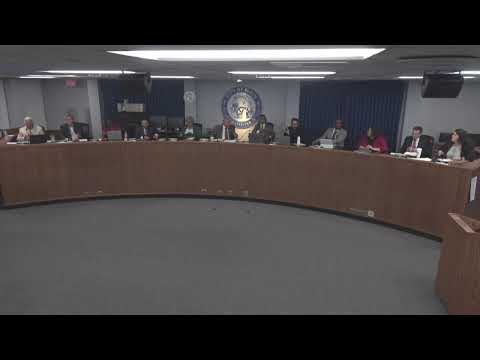
Elgin council preserves local grocery tax, directs revenue to lead service line replacements
Loading...
Summary
After hours of debate over fairness and budget risk, the Elgin City Council voted to continue the local 1% grocery tax and to earmark the revenue for the city nd required lead service line replacement program until that work is completed.
The Elgin City Council on Aug. 27 approved an ordinance to continue the city—% local grocery tax after Illinois moved collection of the tax to a state-controlled mechanism. Council members voted to dedicate the revenue to the city nd its lead service line replacement program until that program is complete.
City staff told the council Illinois is phasing out state collection and remittance of the local grocery tax beginning Jan. 1, 2026; unless Elgin acts, the city would lose roughly $1.2 million a year in general-fund revenue. The council adopted a motion to continue the tax as a local ordinance and then approved an amendment that would direct the revenue to the city—unded lead service line replacement program until the program is finished.
The amendment to earmark the grocery tax revenue for the lead replacement program passed on a roll call, 7-2; the subsequent final vote to approve the amended ordinance was unanimous, 9-0. Supporters argued preserving the revenue avoids creating long-term budget holes that could force deeper cuts or affect capital projects; opponents described the measure as an effective new tax on groceries and voiced concerns about its impact on households who are not SNAP recipients.
Councilwoman Alfaro said the city already projects rising capital expenses and that losing $1.2 million annually would be a significant hit. "There re infrastructure needs and aging systems that require funding," she said during debate.
Councilman Captain (Mayor Captain) and others noted that much of the grocery-tax revenue also comes from non-Elgin shoppers and that directing it toward lead-service-line work would target an established public-health priority.
Council members who opposed the amendment said, in part, the grocery tax is regressive and that families already face rising costs. Councilmember Dixon said the state ecision to end collection underscores the financial pressures on households and urged the city to seek alternative revenue sources before imposing another charge that effectively raises the price of food.
The ordinance preserves the revenue stream for the general fund but ties the newly earmarked dollars to lead-service-line replacement until that program is completed; council discussion clarified the city estimates the dedicated period to run for about 12 years based on present projections. The city manager confirmed staff will return with implementation details and monitoring processes to ensure funds are used as directed.
The action follows similar steps taken by other Illinois municipalities after the State of Illinois changed how the grocery tax is collected.
Ending note: The council voted first on the amendment to dedicate the tax and then on the amended ordinance; the amendment passed 7-2 and the final ordinance passed 9-0.