Lifetime Citizen Portal Access — AI Briefings, Alerts & Unlimited Follows
Ukraine air defenses intercept majority of missiles but gaps leave cities vulnerable, speaker says
Loading...
Summary
An unidentified speaker said Ukraine’s air-defense systems intercept most incoming missiles but are insufficient to protect the entire country; the speaker urged attacks on launch platforms and improved interceptors to address drone and missile threats.
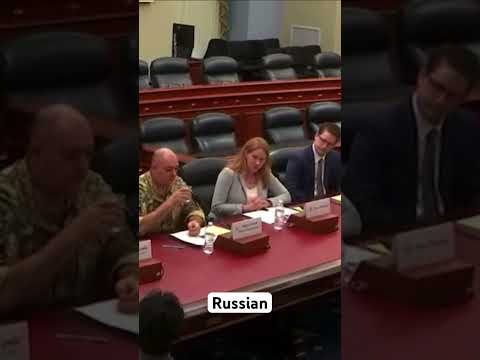
An unidentified speaker told the meeting that Ukraine’s current air-defense network “is not sufficient to protect all of the country given the size and complexity of that task,” but that the system “intercepts the majority of missiles, particularly cruise missiles, and it also has a deterring effect on the Russian air force.”
The remark came during a discussion of Ukrainian air defenses and Russian strike tactics. The speaker said the Russian air force “remains reluctant to losing more aircraft” and that, “as long as Ukraine's air defense shield remains viable, the air the Russian air force will hold back its tactical aviation.”
Why it matters: Ukrainian cities near the front lines have faced repeated strikes; maintaining effective air defenses affects civilian safety and the country’s ability to resist sustained attacks. The speaker warned that Russian strategy includes nightly strikes intended to damage infrastructure and “depopulate frontline cities like Kharkiv or Kherson or potentially, Dnipro.”
The speaker outlined options and constraints discussed in the meeting. He said one of the most effective—and difficult—ways to reduce Russian missile strikes is “to damage or destroy the launch platforms themselves,” naming “certain types of ships, certain types of bombers … and various ground launch platforms.” He also urged development and deployment of “more effective or purposeful interceptors to use against Russian attack drones” in light of an increased production rate for those drones.
The speaker noted Western production limits for advanced air-defense systems, naming Patriot and NASAMS and referring to IRIS systems, and said Russia “is aware of the slow production rates of western air defense systems” and hopes that attrition and repeated strikes will erode Ukrainian defenses and resolve.
The speaker praised cooperation between Ukraine and partners, saying he had met Ukrainian air-defense teams and seen “the ways that they are modifying our equipment … pushing the equipment to technical heights that that we did not even think possible.” He concluded by calling the relationship “a true partnership” and expressing hope it continues.
No formal decisions or actions were recorded in the meeting on this topic; the discussion focused on assessments of capability, vulnerabilities, and general options for reducing strike potential.