Get Full Government Meeting Transcripts, Videos, & Alerts Forever!
Get email alerts on the Fisheries Management Bycatch Reduction topic
No spam. Unsubscribe anytime.
VMRC refines shark rule to prohibit overnight soaks for certain gillnets to meet NOAA/ASMFC concerns
Summary
The VMRC amended its shark regulation July 22 to prohibit overnight soaks of certain gillnet mesh sizes by persons possessing Virginia spiny dogfish permits in two Atlantic Sturgeon Bycatch Reduction areas between November 1 and March 31, changing the operative language to "possessing" to satisfy NOAA/ASMFC implementation requirements.
The Virginia Marine Resources Commission approved a regulatory amendment July 22 to clarify language in Chapter 4 VAC 2,490 pertaining to sharks. The change amends a prohibition so that it reads that it is unlawful for any person "possessing a Virginia spiny dogfish permit" to leave gillnet gear with mesh size equal to or greater than 5.25 inches and less than 10 inches in the Delaware-Maryland Atlantic Sturgeon Bycatch Reduction Area or the Virginia Atlantic Sturgeon Bycatch Reduction Area between 8 p.m. and 5 a.m. from November 1 through March 31.
Staff explained the commission had previously approved similar language in April but the Atlantic States Marine Fisheries Commission (ASMFC) and NOAA raised concerns when Virginia submitted its implementation plan; the adjustment from the phrase "fishing for spiny dogfish" to "possessing a Virginia spiny dogfish permit" addresses those compliance questions and allows the Commonwealth's implementation plan to be approved by federal and multi-state bodies. Chief Gere (presenting staff) noted the areas were designated because of sturgeon bycatch hotspots and that the change was narrowly focused to avoid compliance problems.
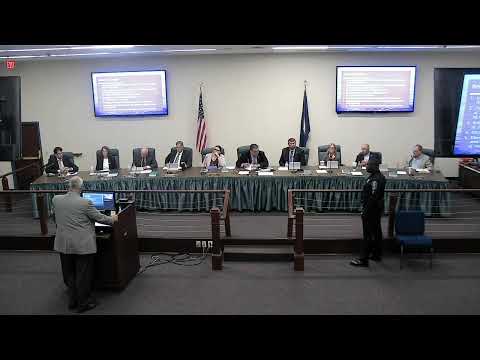
Associate Member Headley moved to adopt the amendment; Associate Member Erskine seconded. The motion carried 8-0. Staff said it will resubmit the revised implementation plan to ASMFC and NOAA to secure federal/regional concurrence.
The rule revision is limited in scope and is intended to reduce Atlantic sturgeon bycatch in identified hotspot areas by restricting overnight soaks of specified mesh sizes during the defined seasonal window.