Lifetime Citizen Portal Access — AI Briefings, Alerts & Unlimited Follows
PUC judge sets schedule as Arvada, Union Pacific near settlement on grade-separated crossing
Loading...
Summary
At a prehearing conference in Colorado Public Utilities Commission proceeding 25ADash0086R, Administrative Law Judge Kelly Rosenberg set deadlines and discussed scheduling after City of Arvada and Union Pacific reported they are close to a settlement on plans and cost-allocation issues for a permanent grade-separated crossing.
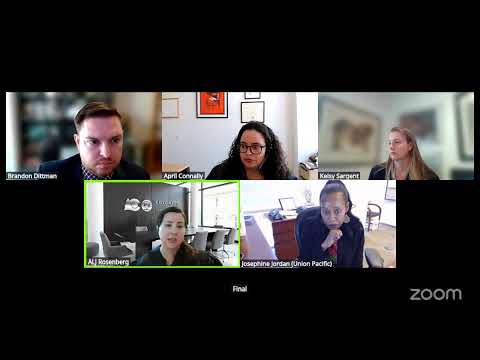
Administrative Law Judge Kelly Rosenberg opened a prehearing conference in Colorado Public Utilities Commission proceeding 25ADash0086R to discuss the City of Arvada’s application for authority to construct a permanent grade-separated crossing and a request for a cost allocation for the crossing.
The conference focused on outstanding objections from Union Pacific Railroad, the parties’ settlement talks and a tentative schedule for final plans, testimony and a hearing. Rosenberg said she would circulate proposed hearing dates and issue a written scheduling decision once dates were finalized.
Counsel for the city, Brandon Dittman of Wilson Williams Fellman Dittman, said the city is working to finalize plan sets and intends to amend the application “within a week of receiving the final plan sets.” Dittman said the city’s filing aims at “accelerating this process towards construction.”
April Connolly, appearing for Union Pacific Railroad, told the judge that Union Pacific’s objection covered both preliminary and final approval of the plan drawings and that the railroad is negotiating a settlement with the city. “It’s my understanding that the parties have conferred, and there is currently a settlement agreement in the works,” Connolly said. She told the judge mid-July was a reasonable target for having final plan sets completed.
Rosenberg and the parties discussed a procedural timetable if settlement talks do not resolve all issues. Counsel for the city proposed deadlines consistent with typical PUC practice: answer testimony due in August, rebuttal about three weeks later and a hearing roughly a month after rebuttal. The parties agreed a one-day hearing should suffice for the cost-allocation dispute but suggested scheduling two days if the commission prefers a buffer.
The parties also discussed motions. Union Pacific indicated it may file a written motion to clarify its objections to the applications for preliminary and final approval. Kelsey Sargent, of the City of Arvada attorney’s office, said the city and Union Pacific could file a joint motion requesting a stay of scheduling dates if needed while settlement negotiations continue. Rosenberg said she would accept filings setting deadlines and would issue a written decision after receiving the parties’ availability and any motions.
The participants noted a nonprocedural constraint: the city’s settlement, if finalized, will still require review by the Arvada City Council. Rosenberg closed the conference by saying she would email proposed hearing dates and follow up with a written scheduling decision once the parties confirmed timing.
The conference did not include any formal rulings on the application or cost allocation; the judge set deadlines and left the record open to motions and scheduling filings tied to the parties’ settlement discussions.