Get Full Government Meeting Transcripts, Videos, & Alerts Forever!
Get email alerts on the Code Enforcement topic
No spam. Unsubscribe anytime.
Marshall council approves initial readings to add municipal-court option and allow property posting for code violations
Summary
The Marshall City Council approved readings of two ordinances that would let the city pursue nuisance and code-enforcement violations in municipal court and authorize notice by posting on property, a change officials said is intended to speed enforcement and address absentee landlords.
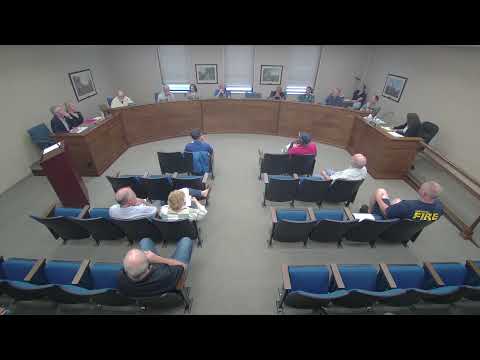
Marshall City Council approved initial readings of two ordinances on Tuesday to clarify that code-enforcement violations can be pursued through the municipal court and to authorize notice by posting on the property itself.
City prosecutor Elizabeth told the council the change gives the city an additional enforcement path while preserving the existing Board of Code Enforcement process. “If the person gets it cleaned up by the next court date, then I would dismiss the ticket,” Elizabeth said, describing a process she said is intended to pair enforcement with options for help.
The measures matter because they alter how the city notifies property owners and how quickly the city can act. Under the proposed changes, police or code officers could issue nuisance citations that go to the municipal court — which meets twice a month — rather than waiting for the Board of Code Enforcement’s monthly administrative hearing. That, officials said, could shorten the time between citation and enforcement, particularly in cases involving absentee or out-of-state owners.
City Administrator Kerwin and Elizabeth said the municipal-court option is not intended to be punitive as a first step. Elizabeth said staff will first try to work with property owners to resolve issues and connect residents to resources. “If they say, yes, we work together to address that issue. If they say, like, you know, something nasty, like, you can't tell me what to do... then we have the option of issuing an additional ticket,” she said. She added that the board remains an option when property owners do not respond or when an abatement (city cleanup) is necessary and must be billed to the owner.
Council discussion repeatedly returned to absentee landlords and cases in which certified mail is returned. Officials said posting a notice on the property would provide visible, incontrovertible notice to neighbors and to judges or the board that the city has informed the owner. "This will satisfy the notice requirement in the state statutes that this property is found to be, in violation," a staff member told the council while explaining the posting proposal.
Members asked how the city would treat residents with legitimate hardships. Elizabeth and other staff said officers will continue to try to make personal contact, and the prosecutor’s office will dismiss charges when owners cure violations before a court date. Officials also said they will work with community groups such as the ministerial alliance to connect vulnerable residents to assistance when possible.
The council approved the motion to take the municipal-court ordinance to reading in two weeks in a roll-call vote that was 7–1, with Council Member Gibson voting no. The separate ordinance authorizing notice by posting on property also passed its reading by roll-call vote with all members voting yes.
Next steps: both ordinances will return for final consideration at the reading scheduled in two weeks, and staff said they will finalize implementation details such as sign size and placement guidelines.
Details of the votes and the council discussion were captured in the city meeting record; staff said the aim is to speed case resolution while preserving due process and avenues for abatement when owners do not respond.