Lifetime Citizen Portal Access — AI Briefings, Alerts & Unlimited Follows
State Department frames new visa proclamation as vetting measure; declines to say if existing visas will be revoked
Loading...
Summary
The State Department said a new presidential proclamation restricting entry of nationals from certain countries aims to address gaps in the U.S. ability to vet visa applicants, and the department declined to say whether existing visas will be revoked.
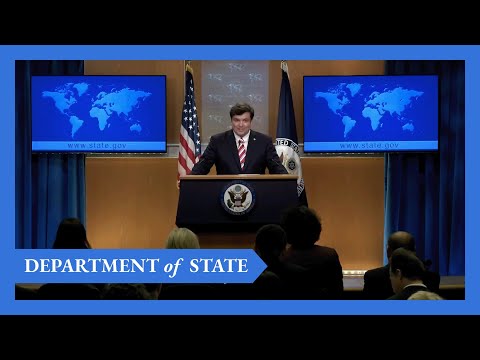
The administration's new presidential proclamation restricting entry for nationals of specific countries is designed to address concerns about the U.S. ability to vet visa applicants, Principal Deputy Spokesperson Tommy Pigott said at a State Department briefing. "The idea of people coming into this country, the ability to properly vet, is a separate dynamic," Pigott said, distinguishing the proclamation from other immigration programs.
Pigott described two separate dynamics: Temporary Protected Status (TPS), which he called a temporary benefit and pointed reporters to the Department of Homeland Security for details, and the executive proclamation governing entry and visa adjudication. "When it comes to the specific of TPS, temporary being the operative word here, I refer you to DHS for more details," he said, and added that some people on TPS had opportunities to apply for permanent residence.
Reporters asked whether the proclamation could lead to revocation of existing visas, citing examples of U.S. residents and people currently abroad. Pigott repeatedly declined to speculate on hypotheticals and said visa determinations are made on a "case-by-case" basis. "This proclamation is about entry," he said.
The briefing referenced White House materials: Pigott repeatedly told reporters he would "refer you to the White House fact sheet" for country-specific details and exceptions. He also said the proclamation includes listed exceptions and that U.S. authorities "are in constant communication with countries around the world" to address vetting concerns.
Reporters raised potential consequences for specific groups including journalists and participants in major events. Pigott declined to comment on specific cases such as claims that 50 VOA-affiliated journalists could lose J visas and said the department would not comment on individual visa matters from the podium. He also said the proclamation includes exceptions for coaches and players attending international events, and pointed to the text of the proclamation for details about World Cup and Olympics-related entries.
Discussion versus action: Pigott described the administration's policy rationale and procedural posture; he did not announce changes to consular procedures or a list of affected countries from the podium.
Ending: Pigott said the administration will review some restrictions within 90 and 180 days, as outlined in the proclamation and accompanying White House documents, and reiterated that visa adjudications remain case by case.