Lifetime Citizen Portal Access — AI Briefings, Alerts & Unlimited Follows
Senate aging panel warns aging farm workforce threatens succession and calls for a modern farm bill
Loading...
Summary
At a U.S. Senate Special Committee on Aging hearing, witnesses and senators said an older farm workforce, falling farm counts and rising costs threaten generational transfer of family farms and urged passage of a modern farm bill and support for succession planning.
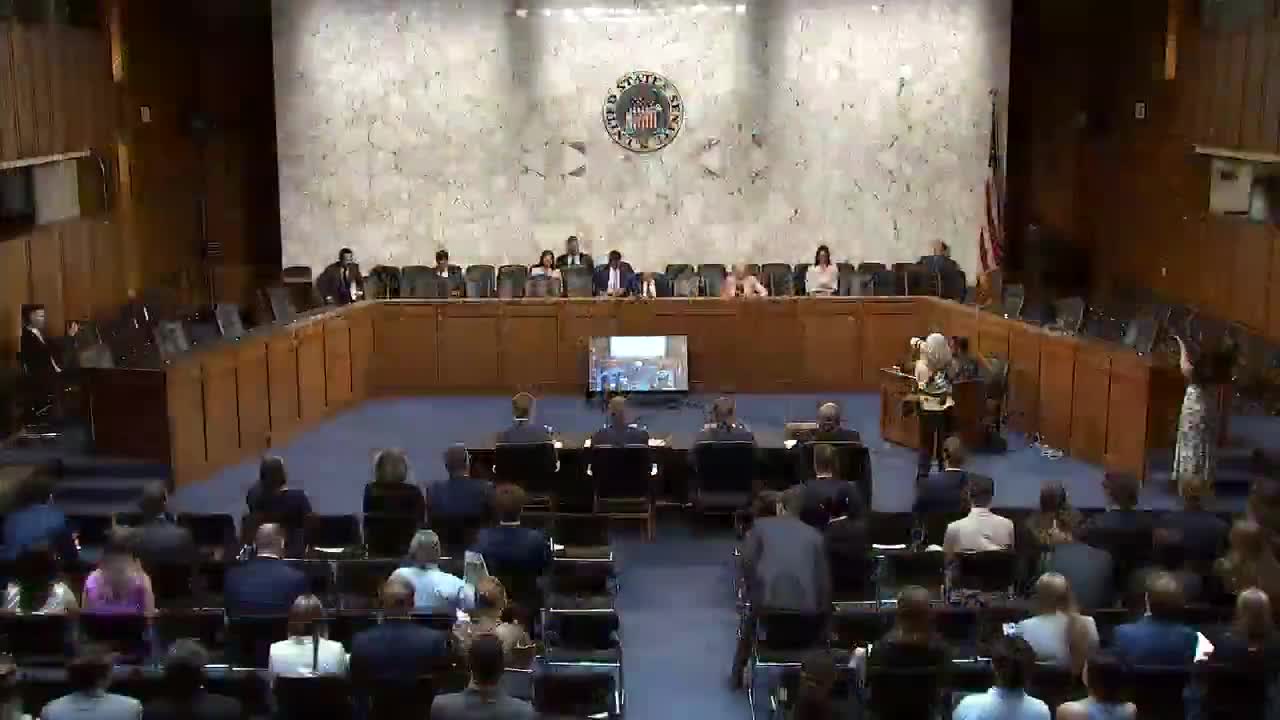
At a hearing of the U.S. Senate Special Committee on Aging, witnesses told senators that the nation’s farm workforce is aging, threatening the ability of family farms to transfer operations to the next generation and putting U.S. food security at risk. "US food security is national security," Chairman Scott said in opening remarks, noting the average farmer age and rising retirements.
The committee heard a string of data and firsthand accounts showing the scale of the challenge. Chairman Scott said the average American farmer is 58 and that roughly one-third of farmers and ranchers are older than 65; he added that in Florida about 40% of producers are 65 or older. Zippy Duvall, president of the American Farm Bureau Federation, urged Congress to write a "modernized five-year farm bill" so farmers can plan and manage volatility. "We must ensure that we make a way for young and beginning farmers to fill our boots," Duvall said.
The witnesses identified several drivers behind the trend: rising input and land costs, debt loads, regulatory and inspection burdens, and limited rural amenities that make farming less attractive to younger families. Duvall told the committee that farm loan programs need streamlining and that estate-tax changes are critical to keeping multigenerational farms intact. "If the exemption level reverts backwards, many families will risk losing their farm," he said.
Researchers and extension professionals told senators that information gaps and lack of planning also hinder successful transfers. Dr. Chris Wolf, EV Baker Professor of Agricultural Economics at Cornell University, described programs that help with succession planning and crisis support. He said Cornell’s New York FarmNet receives about 700 calls a year and opens roughly 400 new cases; in 2024 FarmNet assisted farm businesses representing over $13,000,000 in revenue, 600 employees and helped keep more than 80,000 acres in production.
Private-sector witnesses echoed the need for long-term stability. Aaron Locker, managing director at Kincannon & Reed, said a predictable policy environment and a funded farm bill would restore confidence and investment in leadership and technology across agriculture. "If we want a strong, sustainable agricultural future, we must invest in people," Locker said, urging investments in leadership development, workforce training and rural amenities.
Senators pressed witnesses about the timing and scale of interventions; several emphasized that action on trade, labor and a written farm bill would all be necessary to prevent accelerated farm exits. The hearing record was left open for additional submissions through the date noted by the chair, allowing senators to gather more input before drafting legislation.
The committee did not take formal action during the hearing; witnesses and senators identified priorities — a funded farm bill, expanded succession planning resources and measures to improve farm profitability and rural amenities — as starting points for congressional work.