Get Full Government Meeting Transcripts, Videos, & Alerts Forever!
Get email alerts on the Intersection Traffic Study topic
No spam. Unsubscribe anytime.
Study finds multiple long-term fixes for congested FM 1626 / RM 967 intersection; short-term relief limited
Summary
A CAMPO-funded traffic study presented options — from added turn lanes to grade separations — and recommends further analysis; consultant said major construction is years away and short-term measures can help but will not fully solve long-term congestion.
City staff and a regional consultant presented interim findings and concept options from a CAMPO-funded study of the congested FM 1626 / RM 967 intersection in Buda. The consultant said several intersection configurations could improve traffic flow and safety, but major solutions would be costly, require right-of-way, and take years to implement.
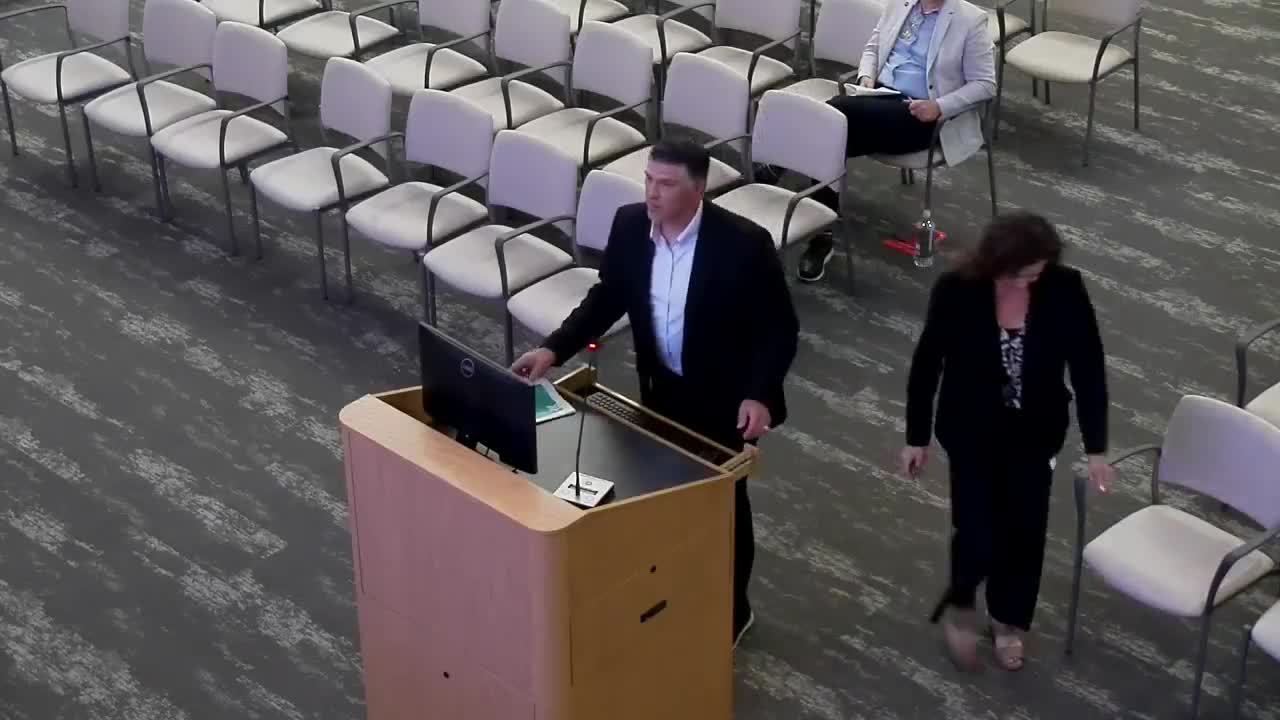
Kevin Hoffman of Tetra Tech told council the team has compiled recent traffic counts, crash data and public input and tested roughly 32 intersection concepts with a high-level CAPEX evaluation tool. The firm narrowed those to eight viable options for further study, including (in broad categories) conventional signal improvements with additional turn lanes; displaced left-turn and partial or full displaced-left configurations; quadrant roadway concepts; diamond and diverging-diamond interchanges; and a grade-separated overpass option (RM 967 over FM 1626 or vice versa).
Hoffman said short-term measures such as additional right-turn or dual left-turn lanes and improved signal timing could reduce congestion in the near term, but projected 2050 traffic volumes and nearby regional growth mean short-term fixes are likely to be insufficient. “There are some short-term, midterm and long-term elements,” Hoffman said; “you’re probably at a minimum 5 years of getting anything on the ground from a substantial element.” The study team also noted environmental and floodplain constraints in areas north and east of the intersection that will affect cost and design.
The study has included public outreach (a January open house with about 30 attendees and subsequent online feedback through March 7). Hoffman said 86% of respondents live in or use parts of the corridor and that congestion, safety and school-related peak traffic were recurring themes. The study used CAMPO’s 2050 travel model for traffic projections and presented a matrix of volume-to-capacity ratios and right-of-way impacts for the candidate concepts.
Hoffman said the team will complete a fatal-flaw and more detailed network analysis of the higher-ranking options and present draft recommendations in a final report expected in August. The next planned public meeting is tentatively scheduled for June 18 at City Hall. Staff and Hoffman recommended continued stakeholder coordination, including property-owner meetings and conversations with TxDOT, Hays County and other agencies that would be involved in any major reconstruction.
Councilmembers asked about roundabouts, grade separations, costs and timelines. Hoffman said roundabouts generally did not perform well for this intersection with projected volumes, and that several of the “innovative intersection” options scored better in the capacity analysis. He noted that any selected long-term scheme would require right-of-way acquisition and multi-agency funding and permitting.
The presentation was informational; council did not take formal action but directed staff to continue stakeholder engagement and return with expanded fatal-flaw and cost analyses as the study progresses.