Lifetime Citizen Portal Access — AI Briefings, Alerts & Unlimited Follows
Senate witnesses say DPA is critical to onshoring drug ingredients and preventing shortages
Loading...
Summary
Witnesses and senators at the Banking Committee hearing described using the Defense Production Act to onshore pharmaceutical active ingredients, expand manufacturing capacity and create strategic reserves, citing Defense Logistics Agency risk assessments and recent supply disruptions.
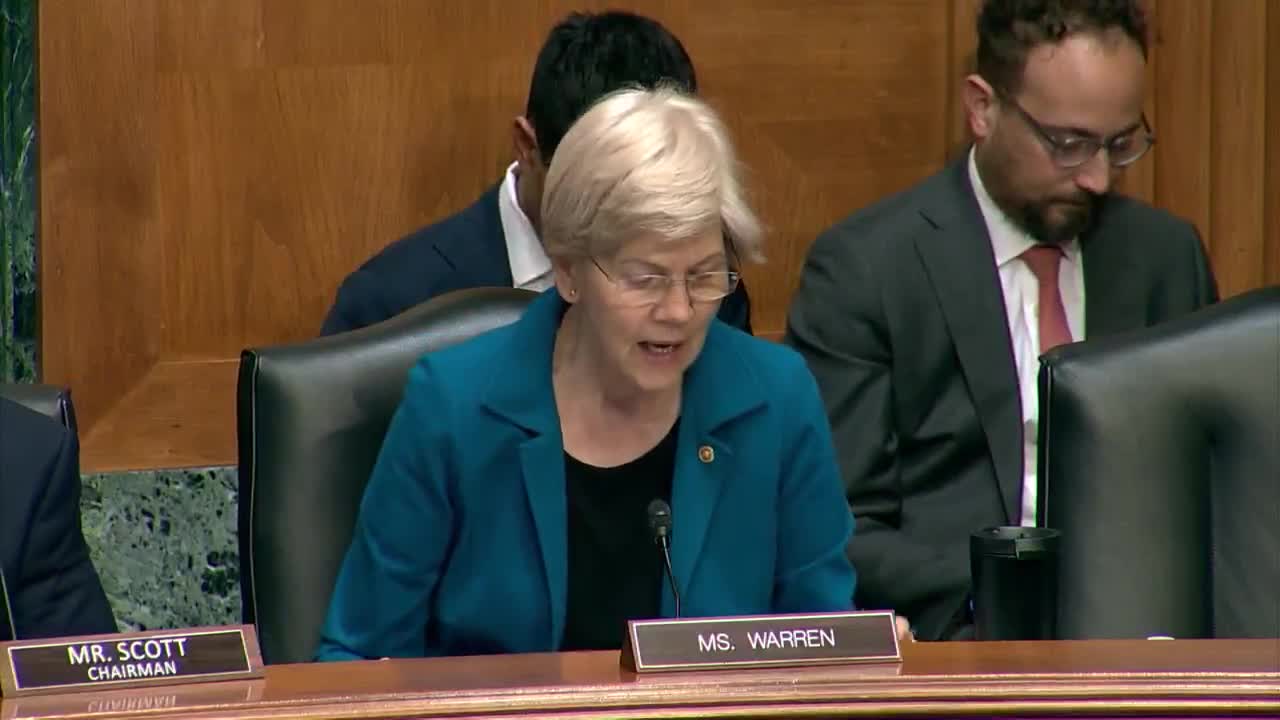
Senators and witnesses at the Senate Banking, Housing, and Urban Affairs Committee hearing described the Defense Production Act as an essential tool to onshore active pharmaceutical ingredient production, prevent shortages and increase resilience in medical supply chains.
Ranking Member Elizabeth Warren and senators cited Defense Logistics Agency data during the hearing: the DLA has labeled about 27 percent of the Department of Defense's pharmaceutical supply chains as "very high risk" and another 27 percent as "high risk," meaning more than half of DOD pharmaceutical supply lines rely on foreign or uncertain sources, according to testimony delivered at the hearing.
Witnesses recommended several ways DPA can be used to strengthen pharmaceutical resilience. Jared Brown, executive director of Global Shield, said Congress should consider DPA authorities for stockpiling and reserve structures similar to the Strategic Petroleum Reserve. Brown noted the DPA historically authorized strategic reserves and suggested Congress could modernize that approach for a strategic active pharmaceutical ingredient reserve.
"As I said in my testimony, I genuinely cannot think of any really bad dark day in American history that doesn't rely on the DPA to respond to," Brown testified, arguing the DPA is central to catastrophic response planning.
Dr. Rush Doshi and other witnesses said Title III investments can be used to build domestic production of critical inputs, and Title I authorities can be used to prioritize contracts in emergencies. Committee members also discussed recent Title III funding examples: about $1 billion appropriated for pandemic response during COVID and more than $500 million in 2023 for industrial projects, and they noted that appropriations choices determine how large a Title III fund can be.
Senators and witnesses discussed concrete recent disruptions to medical supplies and production: shortages of IV fluids after hurricanes and pandemic-era PPE shortages showed how both foreign sourcing and domestic production vulnerabilities can create immediate public‑health impacts. Witnesses called for closer agency‑industry planning to understand private sector capacity ahead of crises and for funding and governance changes that would allow government to use DPA authorities effectively in peacetime resiliency efforts.
Committee members discussed next steps including agency roundtables (HHS announced a private‑sector roundtable) and coordination with appropriators to address funding caps and long‑term investments. No legislative action was taken at the hearing; senators and witnesses said the record will inform the committee’s approach to reauthorization and any accompanying appropriations choices.