Lifetime Citizen Portal Access — AI Briefings, Alerts & Unlimited Follows
Oregon committee hears proposal to centralize drug purchasing under new state office
Loading...
Summary
A House committee heard testimony on House Bill 3,613, which would create an Office of Pharmaceutical Purchasing to consolidate state drug buying, expand multi‑state purchasing through ArrayRx and aim to reduce costs and improve access to local pharmacies.
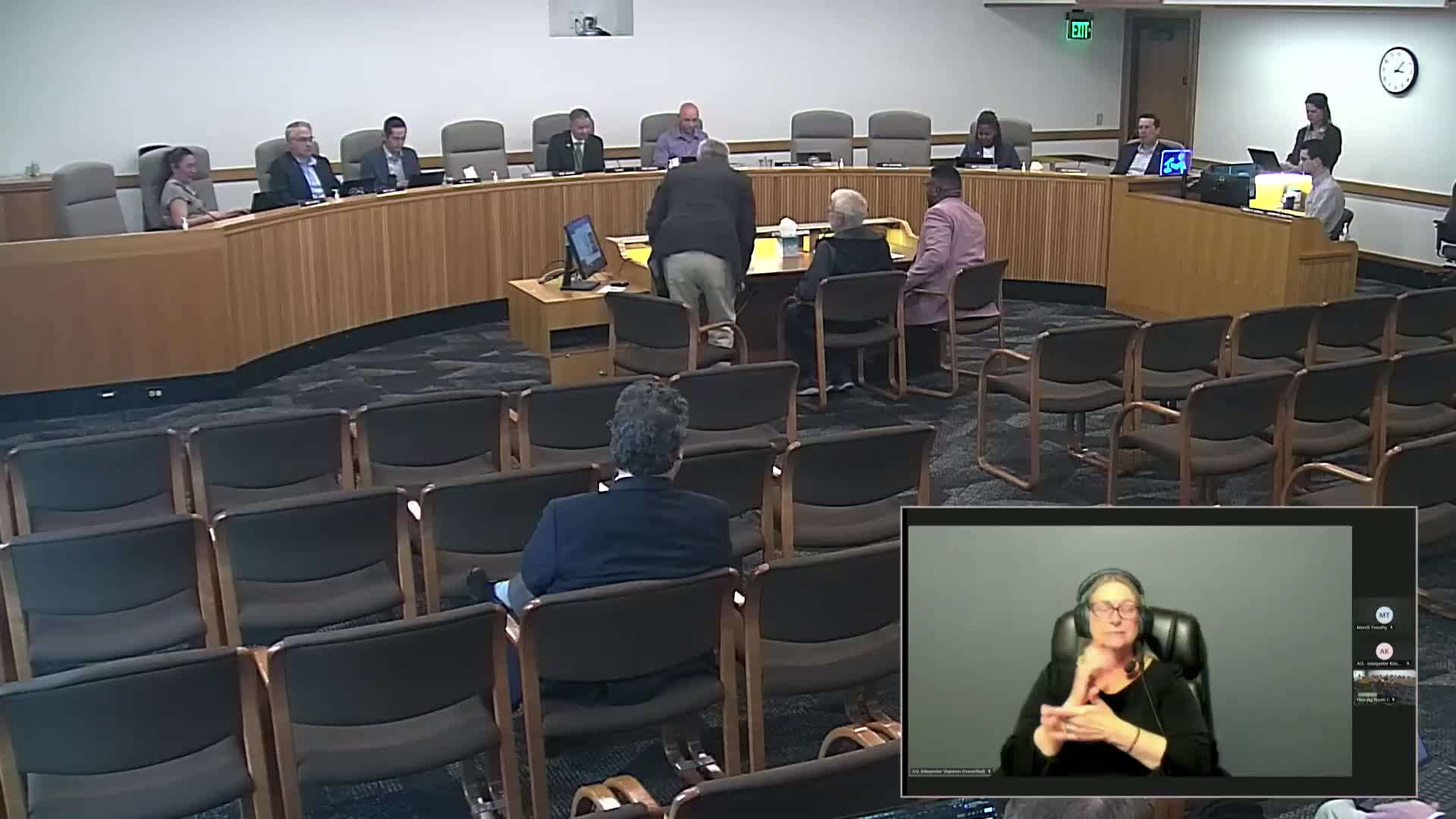
An Oregon House committee on Thursday heard testimony on House Bill 3,613, a proposal to create an Office of Pharmaceutical Purchasing (OPP) to centralize state and state‑supported entities' prescription drug purchasing and expand participation in the multistate cooperative ArrayRx.
Representative Travis Nelson introduced the concept and asked stakeholders to explain how a centralized model could reduce costs and boost pharmacy access. “Creates the office of pharmaceutical purchasing OPP within the Oregon Department of Administrative Services to support multi agency and multi state collaborative purchasing of pharmaceuticals, drive down the cost of prescription drugs for residents of the state and manage the Oregon prescription drug program,” Charlie Swanson read from the bill catchline during his presentation.
The bill, presenters and committee members said, would build on ArrayRx — a multistate procurement cooperative that Oregon helped found — and would permit or require state‑supported purchasers to participate in consolidated purchasing. Witnesses cited Ohio’s single pharmacy benefit manager (SPBM) model, launched in 2022, as an example of large‑scale change. Rep. Nelson highlighted an Ohio Department of Medicaid analysis that, according to testimony, reported roughly $333 million in administrative cost savings and a net savings of about $140 million over the first two years, plus increased dispensing fees to Ohio pharmacies.
Trevor Douglas, speaking for the Oregon prescription drug program and ArrayRx operations, told the panel the program already serves about 301,000 Oregonians through ArrayRx participation and that multistate contracting has produced measurable results across five states: “Our true mission is to, deliver the most highly trusted pharmacy services and execute the highest degree of stewardship of the taxpayer dollar,” Douglas said. He also said ArrayRx and OPDP contracting forbid spread pricing, require passing rebates through to participating programs and allow flexibility so participating entities can retain different program features where needed.
Witnesses gave specific cost and scale figures from testimony: Oregon’s total pharmaceutical spending in 2025 was estimated at about $6 billion, with roughly $4 billion for retail prescriptions and $2 billion for provider‑purchased drugs; OPDP/ArrayRx participation reportedly produced about $6 million in avoided charges for OPDP participants between 2022 and 2024 and nearly $115 million in rebates billed back to participating programs; across all five ArrayRx states testimony said eliminating spread pricing produced about $35 million in savings and $790 million in billed rebates. Presenters also noted that even a 1% reduction in prescription costs in Oregon would equal about $60 million annually.
Committee members questioned how a centralized purchasing office would interact with Oregon’s existing coordinated care organizations (CCOs), state employee plans and local public purchasers. Several lawmakers asked whether CCOs would be mandated to participate; presenters said the current draft allows state‑supported entities to participate and that the committee could consider direction making participation mandatory unless an entity can demonstrate better performance elsewhere, similar to Washington’s approach.
Members also pressed witnesses on operational details: how bulk purchasing or consolidated rebate negotiations produce savings; how formulary decisions would be handled if multiple payers are folded into a single purchaser; and whether a centralized model could adversely affect negotiating leverage over time. Witnesses replied that ArrayRx negotiates for specific services and that program participation is generally “a la carte,” meaning states or plans can opt into particular services rather than a single monolithic product.
Discussion included pharmacy access concerns and the program’s role in supporting local pharmacies. Douglas said OPDP’s critical‑access pharmacy designation had grown from 21 to 82 pharmacies after rules were revised in 2023 to include urban and high‑poverty considerations and Oregon ownership; he cited recent pharmacy closures and said higher per‑prescription reimbursement under ArrayRx had helped sustain independent pharmacies in other states.
No formal committee action or votes were taken; the hearing was informational and lawmakers said they will consider the idea further. Rep. Deal said he is interested and plans to have staff and interns review reports over the summer. The committee chair closed the session by noting related PBM legislation before the Rules Committee and adjourning the hearing.
The panel’s questions and witness answers leave key details to be resolved if lawmakers advance the proposal: whether participation would be mandatory for particular state purchasers, how any centralized office would set or harmonize formularies across different plans, and how savings would be guaranteed and audited if the state expands multistate purchasing.
The committee plans follow‑up briefings and provided no timetable for formal consideration of House Bill 3,613.