Lifetime Citizen Portal Access — AI Briefings, Alerts & Unlimited Follows
Senators warn VA workforce cuts and return-to-office directives could undermine mental-health services
Loading...
Summary
Senators on the Veterans' Affairs Committee warned that recent and proposed VA personnel actions — including firings, hiring limitations and return-to-office mandates — risk undermining veterans' mental-health services.
Senators on the Veterans' Affairs Committee raised persistent concerns that agency personnel moves and return-to-office policies will harm veterans' access to mental-health care and suicide-prevention services.
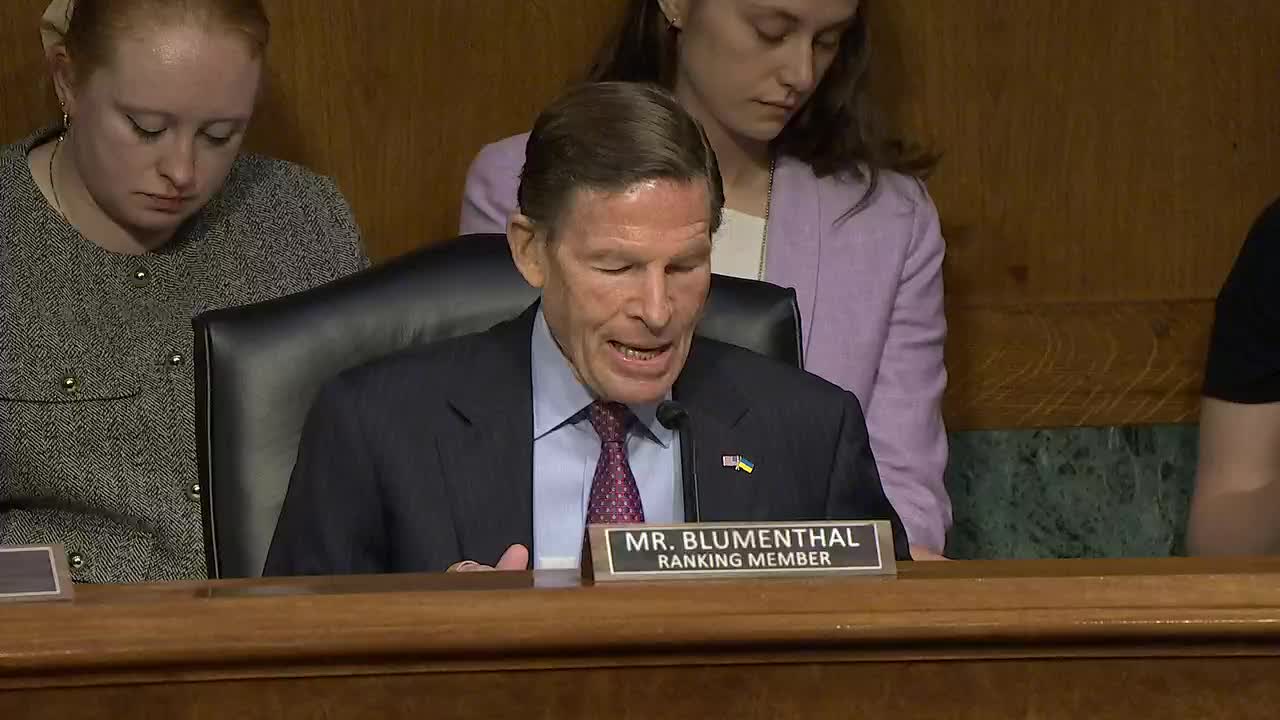
Ranking Member Richard Blumenthal criticized recent personnel actions and said they had already harmed services: "This failure of leadership is at the expense of veterans." He cited reports of contract cancellations and the termination of researchers and crisis-line workers and warned that privacy concerns tied to return-to-office mandates could erode veterans' trust in VA care.
Other senators pressed VA witnesses for specifics. Senator Blumenthal and others cited reports of thousands of terminations and the prospect of further cuts, including references in the hearing transcript to an "83,000" figure for potential future employee separations. Dr. Thomas O'Toole, the Veterans Health Administration's acting assistant undersecretary for health for clinical services, told the committee he was not involved in some of the central personnel decisions and that direct-care positions — including crisis-line staff — had been designated as exempt from hiring freezes. "I am happy to report that actually the veteran crisis line staffing numbers have gone up and not down since this last January," O'Toole said, adding that the crisis line is "exempted from any hiring freeze."
Several members described operational effects they are seeing or fear. Senator Maggie Hassan and Senator Tammy Duckworth reported that some providers had taken confidential telehealth calls from cars or parking lots because private workspace was unavailable, and raised HIPAA and privacy concerns tied to return-to-office implementation. Senator Duckworth pressed for commitments "to protecting these mission critical staff from adverse administrative actions." O'Toole said VHA leadership seeks to ensure private workspace is provided where required and that processes exist to address facilities that cannot meet privacy needs.
Committee members and witnesses repeatedly linked staffing and morale concerns to recruitment and retention, noting that the VA workforce includes many veterans and that publicized mass firings or the threat of large-scale reductions can deter applicants for hard-to-fill roles such as psychologists and psychiatrists. "Those challenges in recruitment are deeply and dramatically aggravated when the prospect of firing 83,000 employees is raised," Blumenthal said.
What was clear and what was not: VA witnesses reported concrete grant and program metrics for the Fox program and said they support reauthorization and expansion. VA leadership also said crisis-line staff numbers had risen. But the committee identified gaps in the administration's disclosure: O'Toole and other VA witnesses said they had not been asked to perform or had not seen agency-wide analyses quantifying how proposed cuts would affect wait times or veterans' outcomes.
Why it matters: Senators said service disruptions or reduced outreach capacity could particularly harm veterans who are not engaged with VA care — a group committee members said accounts for a substantial share of veteran suicides.
Next steps: Senators asked VA to provide more detailed staffing analyses and to protect confidential telehealth capacity; the committee left the hearing record open for additional documents and follow-up questions.