Get Full Government Meeting Transcripts, Videos, & Alerts Forever!
Get email alerts on the Career And Technical Education topic
No spam. Unsubscribe anytime.
Students and educators highlight CTE, skill centers and job pathways; district board hears support and examples
Summary
Multiple speakers — teachers, program leaders and union representatives — urged the board to sustain and strengthen Career and Technical Education (CTE) and skill‑center programs, citing certifications, internships and career readiness benefits for students.
Several speakers during public comment and scheduled communications underscored the role of Career and Technical Education (CTE) and skill centers in preparing students for immediate employment and postsecondary pathways.
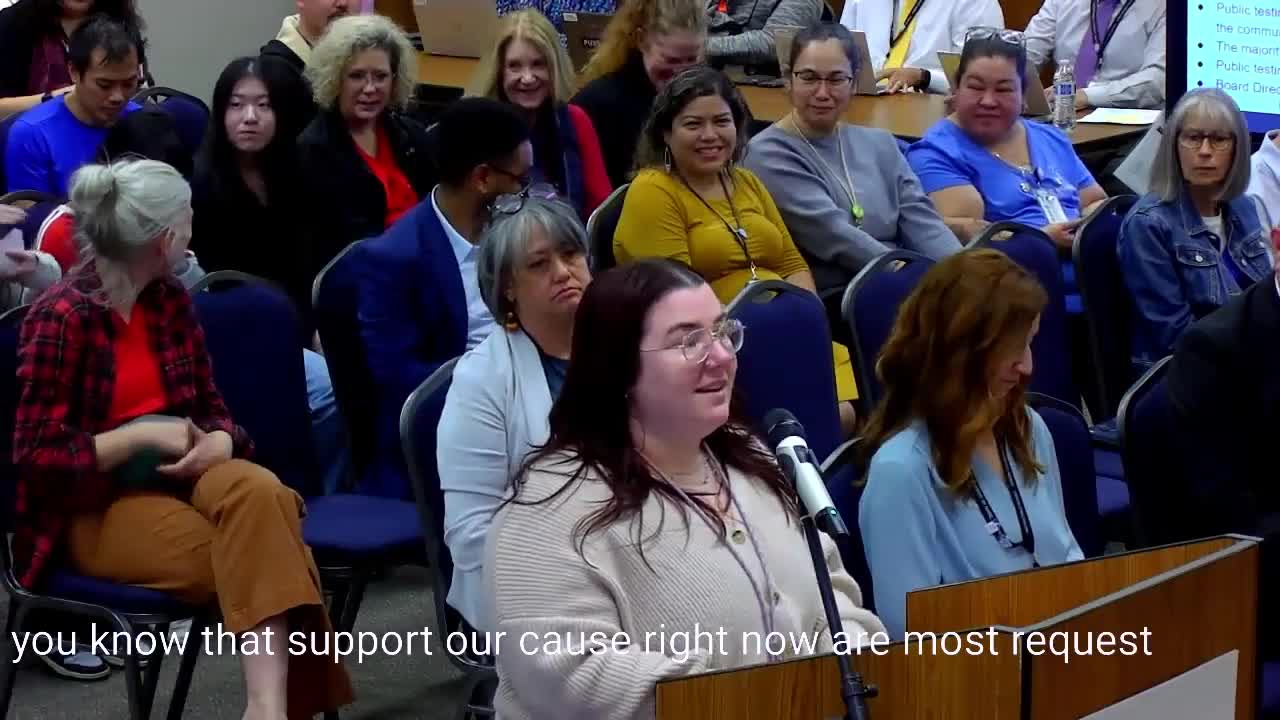
What was said: Educators and program leaders described hands‑on experience, industry certifications and workplace connections available through programs at the Puget Sound Skills Center (PSSC) and other CTE offerings. A PSSC teacher said students leave with certifications and real‑world experience; one student speaker described clinical hours at Seattle Children’s Hospital and the confidence gained in caregiving roles. A written comment read aloud emphasized that skill centers are “launch pads” that offer students industry connections and credentials that support financial stability and multiple career pathways.
Union and community support: The Highline Education Association president addressed the board and described union contributions to community organizations and pledged support for a Mount Rainier pantry project; the association committed funds to support the Mount Rainier Pantry Drive, a student‑led initiative.
Why it matters: Speakers argued CTE provides a viable, equitable pathway for students who plan to enter the workforce directly after high school, pursue trades or continue postsecondary education. The board heard requests to continue strengthening access to CTE pathways and skill center partnerships.
Board response: Directors acknowledged the presentations and thanked staff and presenters; Director Alvarez and others offered public praise for PSSC and the student speakers. The board did not take immediate action on policy changes but indicated continued support and interest in ensuring multiple postsecondary pathways remain available.
Ending: Student and educator testimonials and the union’s financial pledge underscore ongoing community support for CTE and student‑led assistance programs; staff said they will continue to collaborate with skill centers and career pathway partners.