Lifetime Citizen Portal Access — AI Briefings, Alerts & Unlimited Follows
Wego to revise 90/10 grading policy after three-year pilot; parents, teachers and students cite unintended effects
Loading...
Summary
At an April 16 PTAC meeting, Assistant Principal Mary Howard said West Chicago Community High School will revise its 90% summative/10% practice grading structure after staff and community feedback flagged negative effects on student study habits, executive functioning and Advanced Placement preparation.
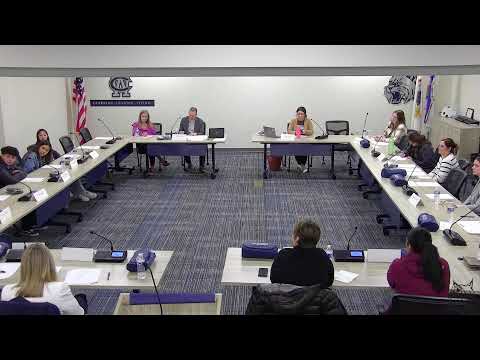
At the West Chicago Community High School parent-teacher advisory committee meeting April 16, 2025, Assistant Principal Mary Howard said the school will revise its 90/10 grading split for next school year after three years piloting grading practices based on Grading for Equity.
Howard told the group the district began reviewing grading practices in 2022 “following the pandemic” and adopted a model that weights 90% of course grades to summative assessments and 10% to practice and participation outside classes, with guaranteed opportunities to retake summative assessments. "Our goal would be that every grade was as completely accurate as possible," she said.
Howard said teacher feedback during the pilot raised consistent concerns. Among them: students postponing or not engaging in practice because retakes are available; increased cramming before assessments rather than long-term retention; declines in organization and executive-functioning skills; and particular worry that frequent retakes in honors and Advanced Placement courses could fail to reflect students’ readiness for AP exams in May. "If you're retaking an AP test for every unit, is that not a problem?" Howard quoted teacher feedback.
Teachers and students described how retake opportunities are handled in classrooms. World languages teacher Britney Nelson said retake eligibility is decided on a course-team basis and she reviews initial assessments with students to identify gaps before permitting a retake: "We do go back and look at all the practice and anything that was missing." Science teacher Alexandra Parker described common retake preparation practices including review packets and required self-reflection on tests.
Students and parents offered mixed perspectives. Student Sneha George said she values retakes in exam-heavy classes but acknowledged time-management problems at home: "I like having the retake option for classes that are, like, heavy, like, exam based." Parent Kelly Ashline and others urged the school to increase the weight on practice or create a separate "work habits" rubric to capture perseverance and organization.
Howard said the school has collected limited parent survey feedback (28 parent responses to date) and will reissue the survey and run a similar student survey during den time. She described planned changes for next year as moving some weight from summative assessments toward practice work to incentivize consistent engagement without reversing the research-based emphasis on assessments.
Discussion points included clarifying retake prerequisites, classroom implementation differences across course teams, and how to support students with study skills through den, academic support and tutoring. Howard highlighted Panorama social-emotional survey results showing high levels of trusted adult support at home and in the building and said attendance remains a related priority.
The school plans further staff discussion and community outreach before finalizing the revised policy for 2025–26; Howard asked PTAC members to encourage families to complete the forthcoming survey.
Ending: Howard said the changes are intended to "find that spot, where we can reengage students while still...emphasize that the best way for us to capture what they've really learned is through the assessment." She asked parents to continue conversations at home about study habits and resources available at the school.