Lifetime Citizen Portal Access — AI Briefings, Alerts & Unlimited Follows
Senate committee approves nitrogen-hypoxia execution bill after hours of testimony on cruelty and litigation risk
Loading...
Summary
House Bill 1489, authorizing nitrogen hypoxia as an alternative execution method, passed the Senate Judiciary Committee after extended testimony from prosecutors, faith leaders, advocacy groups and medical organizations raising humane and legal concerns.
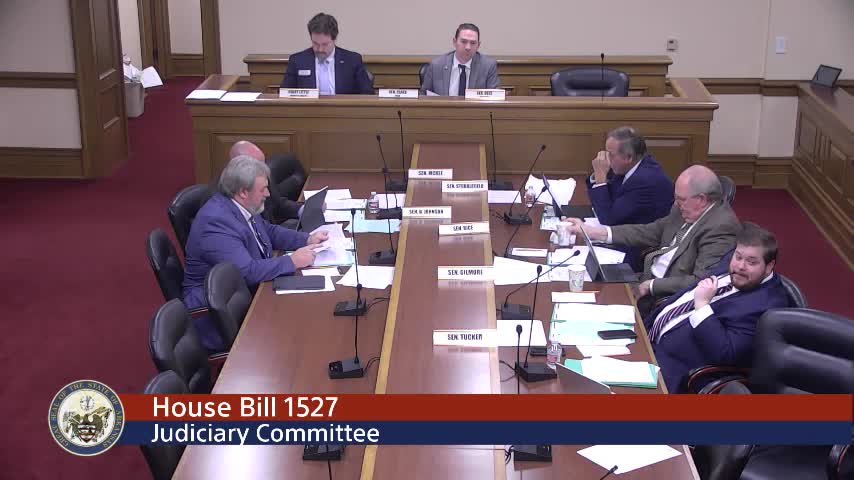
The Senate Judiciary Committee voted to pass House Bill 1489 on May 20, which would authorize nitrogen hypoxia as an alternate method of execution in Arkansas. The measure prompted the committee’s longest discussion of the night and drew multiple witnesses testifying both for and against it.
Why it matters: Execution-method measures carry procedural, constitutional and operational implications for corrections officials, lawyers and litigants. Witnesses warned the statutory language lacks detail about how nitrogen would be administered, its purity, whether a mask or chamber would be used, and who will make those technical decisions — raising an immediate risk of litigation if the law becomes statute.
Key points from testimony: Sponsor Senator Blake Johnson described nitrogen hypoxia as a method where death results from CO2 buildup; he told the committee the single known U.S. execution using nitrogen occurred in Alabama and the AG’s office and supporters argued the method can be implemented humanely under controlled procedures.
Opponents included Kristen Wynne of Arkansas Public Policy Panel, Jeff Rosenzweig of the Arkansas Association of Criminal Defense Lawyers, Sarah Moore of the Arkansas Justice Reform Coalition, and Kaleem Nazim (public commenter). Concerns raised included: reports of a prolonged or painful death in the Alabama case, lack of regulatory standards, the American Veterinary Medical Association guidance against nitrogen hypoxia for euthanizing mammals, and the prospect of repeated litigation about constitutionality. Rosenzweig specifically warned the bill repeats delegation problems identified by the Arkansas Supreme Court in Hobbs v. Jones.
Prosecutors at the table (Laurie Camparis and Chris Walton) told the committee that prosecutors typically scrutinize each case and decide whether to seek capital punishment. Camparis said that when prosecutors file capital cases they evaluate the evidence and that the existence of a statute authorizing a method does not by itself make its use automatic.
Committee action: Senator Johnson closed and moved the bill; the committee approved it by voice vote. Committee members and witnesses agreed the measure will likely prompt litigation to resolve technical and Eighth Amendment questions.
Ending: The committee voted to pass HB 1489. Supporters said they were offering an alternative to lethal-injection drugs that are sometimes unavailable; opponents cited humane and legal doubts that they said will be tested in court if the law is enacted.