Lifetime Citizen Portal Access — AI Briefings, Alerts & Unlimited Follows
Southborough building committee advances Tappe for Neary School feasibility study
Loading...
Summary
After interviewing three finalist teams, the Southborough Building Committee voted to advance Tappe (Tappe Architects) to reference checks and contract negotiations to perform a feasibility study for the Neary Elementary School. Committee members cited the firm’s senior team availability and outreach examples amid a tight schedule toward a fall town meeting.
The Southborough Building Committee voted unanimously on April 15 to advance Tappe Architects to reference checks and contract negotiations as the consultant for a feasibility study of the Neary Elementary School.
The decision came after evening interviews with three finalist teams — Arrowstreet (AeroStreet in the transcript), RGB, and Tappe — during which committee members asked for specifics on budget strategies, risk mitigation for an existing building and plans to build public support following a previously unsuccessful MSBA proposal. The committee made the motion to advance Tappe, seconded and approved by roll call; recorded votes in the meeting were “Aye” from Andrew, Heather and the chair.
Tappe’s principal Chris Blesen told the committee the firm was prepared to move quickly. “We can jump right in and do a lot of verification of things, building off what you already did in that previous study,” he said, noting senior staff (including Jen Littlefield and Cesar Delios) would be available to meet the town’s aggressive timeline to reach a fall town meeting. Tappe highlighted experience keeping schools operational during phased construction and producing outreach materials (graphics, tax calculators and staged options) to explain trade‑offs to voters.
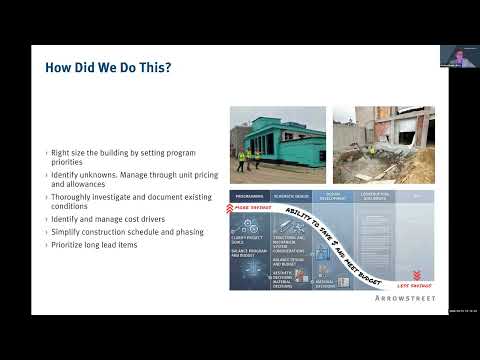
Committee discussion cited three priorities: (1) credible early cost estimates, (2) a clear plan to reduce technical risk on an aging building, and (3) an effective community outreach strategy that can be executed quickly. RGB emphasized a forensic, data‑driven approach and a “work‑backwards” budgeting method that begins with a target sum (for example, a $15,000,000 deferred‑maintenance package) and shows what can be achieved within it. An Arrowstreet presenter summarized prior work and example budgets, telling the committee: “We put a project of about 108,000,000 in front of the community with an MSBA grant of 35,000,000, resulting in a net to Southborough of 73,000,000,” and sketched possible smaller alternatives and a deferred‑maintenance option in the $15,000,000 range.
Committee members asked each firm how they would manage hidden conditions, contingency allowances, and coordination with ongoing roof work and wetlands constraints at the Nearay site. Firms described standard mitigations: early forensic assessments, unit pricing for bid allowances, staged phasing and early coordination with other contractors and commissioners to avoid rework.
The committee authorized Andrew (the member named in the meeting) to lead contract negotiations and directed staff to perform references and report back before any final contract execution. The chair and members also requested that the three finalist firms provide examples of outreach collateral (tax calculators, graphics and social‑media/community engagement plans) so the committee can compare communication approaches before the contract is finalized.
Next steps: reference checks for Tappe, then contract negotiations and a possible select‑board approval step before the firm can proceed with a feasibility study aimed at informing a fall town meeting decision.