Lifetime Citizen Portal Access — AI Briefings, Alerts & Unlimited Follows
Senate Committee Questions Troy Edgar on DHS Staffing, Data Access and FEMA Reforms
Loading...
Summary
At a Senate Homeland Security and Governmental Affairs hearing, President Trump’s nominee for deputy secretary of the Department of Homeland Security, Troy Edgar, defended agency reforms while senators raised concerns about recent staff terminations, access to sensitive DHS data, and FEMA restructuring.
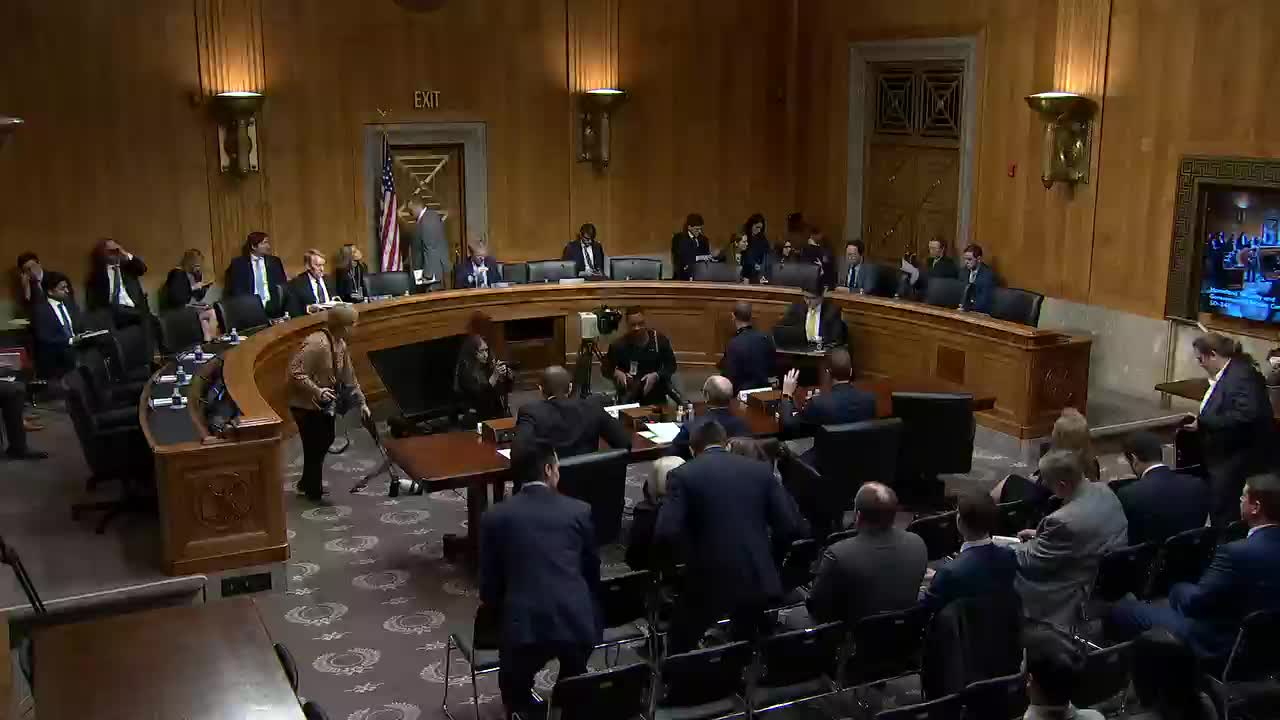
Troy Edgar, President Trump’s nominee to be deputy secretary of the Department of Homeland Security, told the Senate Homeland Security and Governmental Affairs Committee on Oct. 12 that, if confirmed, he would focus on running DHS efficiently and supporting the secretary in carrying out the department’s border, immigration and national security missions.
The nomination hearing centered on workforce changes at DHS, questions about who has access to potentially sensitive department data, and proposed structural changes to agencies such as FEMA and the Cybersecurity and Infrastructure Security Agency (CISA). The concerns, voiced primarily by Democratic committee members, focused on recent terminations and whether the department has analyzed how staffing changes affect mission readiness.
Edgar emphasized his management background and experience as DHS chief financial officer, saying he had previously overseen the department’s fiscal operations. “If confirmed, I will stay focused on supporting the secretary and ensuring that we are effectively and efficiently using the policies and resources provided to meet the president's goal on immigration, border and other national security missions of DHS,” Edgar said during his opening remarks.
Why it matters: Senators warned that rapid personnel changes could hinder disaster response, cyber defense and other missions that rely on experienced career staff. Ranking Member Senator Peters asked for details about terminations at FEMA, CISA and other components and whether those actions had been accompanied by analyses of operational impact. Peters also raised alarm about third-party access to DHS data, telling the nominee, “I am also alarmed that Elon Musk and Doge personnel have been granted access to potentially very sensitive DHS data,” and asked what legal and security analysis had been performed before those accesses were allowed.
Discussion highlights - Workforce and firings: Senator Peters and others asked whether recent firings—reported across agencies including FEMA and CISA—were indiscriminate and whether DHS had performed impact analyses. Edgar said he had not made the firing decisions in his current role as a senior adviser but committed, if confirmed, to reviewing data and processes and working with the secretary to ensure mission continuity. “I will work with the secretary. We'll make sure that we can continue our mission while we're trying to also get to the objectives of trying to save money, waste, fraud, and abuse,” Edgar said.
- FEMA and disaster response: Senators from disaster-prone states pressed Edgar about FEMA’s structure and whether proposals to “right-size” or reorganize the agency could undermine local disaster response. Edgar said he supported a systematic review of FEMA’s authorities and funding mechanisms and indicated that some reforms could require legislation: “I think we need to take a look at it very, systematically and look at the authorities that were given to FEMA… and evaluate what would be structurally the best way.”
- CISA and cyber oversight: Committee members questioned the decision to remove members from the Cyber Safety Review Board and the effect on ongoing reviews, including an investigation referenced in the hearing as “SALT typhoon.” Edgar said CISA had responsibility for the ongoing review and that the department planned to reconstitute review bodies at an appropriate time.
- 287(g) and state/local cooperation: Senators asked whether DHS would seek to expand voluntary partnerships such as the 287(g) program that deputizes local law enforcement to perform immigration enforcement tasks. Edgar and witnesses said the program is voluntary and that many sheriffs use it in custody settings; they acknowledged local concerns about street-level deputization and said cooperation would be tailored to jurisdictions that opt in.
Clarifying details extracted from the hearing record - DHS employment and budget figures mentioned in testimony: roughly 260,000 employees and a department budget figure cited at about $90,000,000,000 in earlier references to Edgar’s prior CFO role. (Exact counts and budget lines were referred to by witnesses but agency accounting files were not produced at the hearing.) - NBACC (National Biodefense Analysis and Countermeasures Center) and “gain of function” research were raised by the committee chair as a subject of oversight and possible further inquiry.
What was not decided: The committee did not vote on the nomination during this hearing, and senators requested additional documents and follow-up information. Multiple members asked the nominees to provide or expedite records related to staffing decisions, access to DHS data by non-governmental personnel, and analyses of how personnel changes could affect mission performance.
Ending note: Edgar repeatedly pledged to work with Congress and DHS leaders on transparency and oversight if confirmed, while senators from both parties pressed for more detail on personnel decisions and data-sharing arrangements that could affect homeland security operations.