Lifetime Citizen Portal Access — AI Briefings, Alerts & Unlimited Follows
Senators press DHS on alleged risky pathogen research; Noem schedules NBACC review
Loading...
Summary
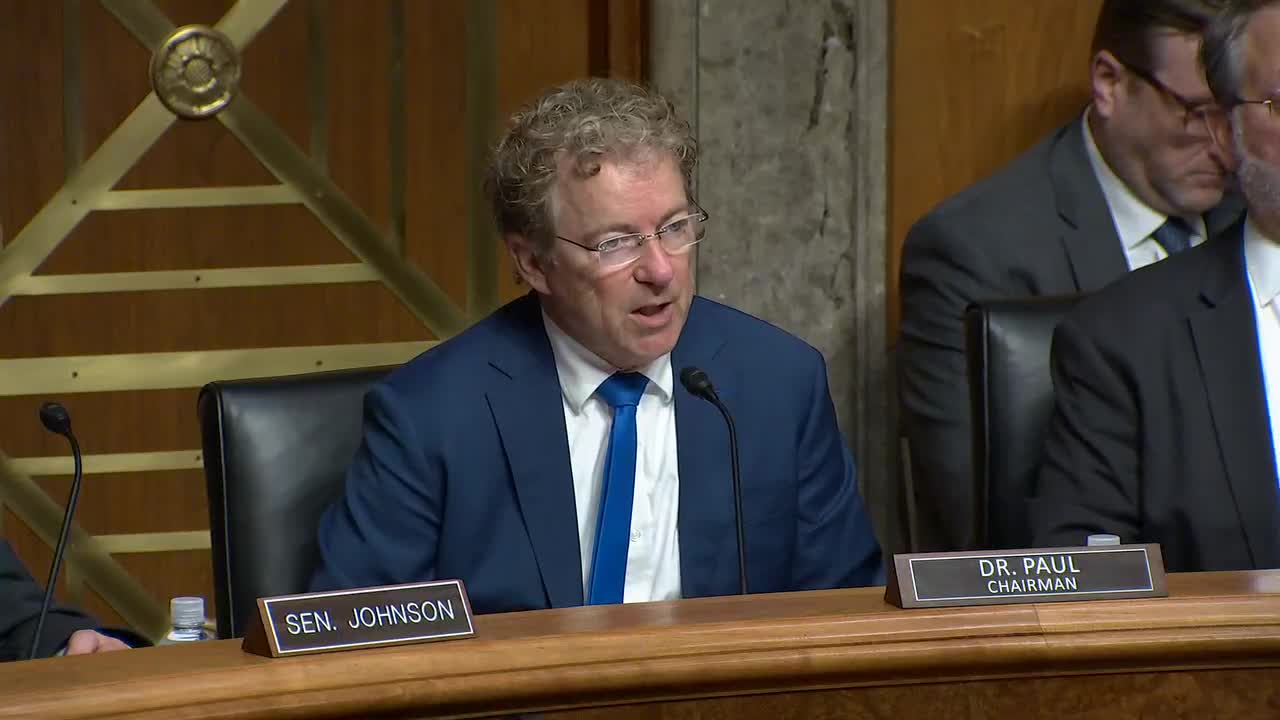
Chairman Rand Paul told the Senate Homeland Security and Governmental Affairs Committee on May 20 that subpoenaed records show the Department of Homeland Security used taxpayer dollars to fund laboratory work he called deeply concerning and potentially "gain of function."
Chairman Rand Paul told the Senate Homeland Security and Governmental Affairs Committee on May 20 that subpoenaed records show the Department of Homeland Security used taxpayer dollars to fund laboratory work he called deeply concerning and potentially "gain of function." Paul, opening the hearing, said the documents "confirm our suspicions" that researchers proposed combining elements of two weakened anthrax strains to produce a version capable of causing disease and that scientists at the National Biodefense Analysis and Countermeasure Center (NBACC) had experimented with aerosolizing agents including plague and Ebola.
Why it matters: The chairman framed the claims as both a public‑safety risk and a diplomatic concern tied to the Biological Weapons Convention. He said Congress needs independent, statutory oversight and urged passage of the Risky Research Review Act, a bipartisan bill he said would create a presidential commission to define and review gain‑of‑function research.
Secretary of Homeland Security Noem responded that she has ordered follow‑up and that a site visit to the Fort Detrick laboratory is planned with DHS and NIH leadership. "We do have a visit planned in the future here in the next 10 days to 2 weeks with Secretary Kennedy, to look into the work that this lab is doing and if it is appropriate for the Department of Homeland Security to be engaged in that," Noem told the committee. She also said DHS has provided thousands of pages of documents to Congress and that department staff are being directed to be responsive to oversight requests.
What officials said, in their own words: "You heard that right. DHS was using taxpayer dollars to try to recreate a fully virulent anthrax strain by engineering it from less dangerous components," Paul said during opening remarks. Noem said the department has "given you about 50,000 pages, I think, so far of information," and later told the chairman that, in DHS's review so far, "between NIH and the Department of Homeland Security, there are no research projects ongoing right now today or that we've been able to find as far as projects they were doing together."
What was not shown: Committee members repeatedly characterized the documents as alarming, but at the hearing no member introduced a formal classified exhibit in the public record and Noem said her team's review was ongoing. The committee did not vote on legislation. The chairman's account of specific proposed experiments comes from his description of subpoenaed records; committee testimony did not include a lab director or peer reviewer describing the experiments at the hearing.
Next steps: Noem told senators the department will continue to produce responsive records and allow inspections, and she welcomed outside review. Senator Paul urged prompt enactment of the Risky Research Review Act so an independent panel can set lasting definitions and review criteria for potentially dangerous research.
Ending: The committee set the matter of NBACC and DHS‑funded biological research as a priority for oversight; Noem pledged a site visit and additional document production while members pressed for statutory standards and independent review.