Lifetime Citizen Portal Access — AI Briefings, Alerts & Unlimited Follows
Baltimore County Board of Appeals reverses ALJ and grants Friends of Lubavitch relief under RLUIPA; denies parking and setback variances
Loading...
Summary
The Baltimore County Board of Appeals reversed an ALJ order and granted the Friends of Lubavitch relief under the Religious Land Use and Institutionalized Persons Act while declining requested parking and setback variances for the Towson property at 14 Agbert Road.
The Baltimore County Board of Appeals on Feb. 25, 2025, reversed an administrative law judge’s decision and granted the petitioner Friends of Lubavitch the relief they sought under the Religious Land Use and Institutionalized Persons Act (RLUIPA), while denying requests for a parking modification and for variance relief from setback requirements.
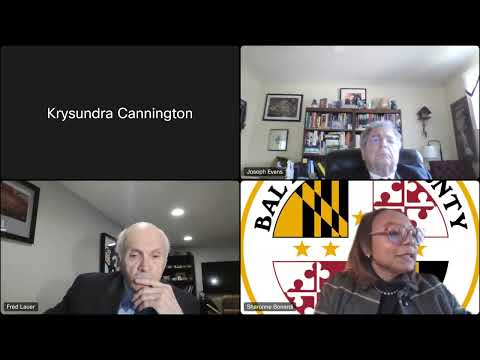
The board — Chair Bernardi, Mr. Evans and Mr. Lauer — said the property at 14 Agbert Road in Towson constitutes a religious institution for zoning purposes but concluded the petitioners had not proven entitlement to reduced parking (requesting two spaces instead of the required 23) or to the setback variances the petition sought. The board also found that some zoning arguments were barred by prior litigation and administrative findings, but that federal law required the county to avoid imposing a substantial burden on religious exercise.
Why it matters: the decision resolves a long-running dispute about a three-story building on a roughly 17,000-square-foot parcel across from the Towson University campus, where the Friends of Lubavitch have operated a Chabad house and related residential and educational uses. Board members said denying the petition could expose the county to costly litigation and attorney’s fees under RLUIPA.
Panel summary and legal findings The board accepted testimony and exhibits admitted during a de novo hearing and reviewed prior proceedings involving the property, including prior administrative matters from 2014–2016. Members agreed that, under the county zoning code citations presented at the hearing, a Chabad house constitutes a religious institution and therefore falls within zoning provisions that permit houses of worship in the subject district.
The board also agreed with earlier findings that the RTA requirements apply to the site. Several members said the petitioners did not carry their burden to justify a modification to the county’s parking standards or to demonstrate a non–self-created practical difficulty sufficient to justify the requested setback variances; the requested side-yard setbacks were described in the record as 8 and 13 feet in lieu of the required 20, and a carport side-yard of 7 feet in lieu of 15.
Res judicata and credibility Appeals members cited the case history and prior administrative rulings in finding that parts of the petition’s zoning arguments raised issues already litigated; the chair quoted Administrative Law Judge Murphy’s prior written characterization that the petitioners had “deceitfully changed their narratives about the actual use and their site plans to suit whatever litigation is pending,” language the board said it would reference in its opinion to explain credibility concerns. Board members said the petitioners’ past litigation positions and the continuity of use weighed against some requested relief.
Effect of RLUIPA Despite those credibility and res judicata concerns, the board concluded that RLUIPA’s protections required granting the petitioners’ primary request for relief as it related to religious exercise. At least one member said that, although the petitioners’ conduct gave rise to serious reservations, federal law creates a substantial risk that denying relief would require the county to pay attorney’s fees and damages; the board stated a preference to avoid that outcome and voted to reverse the ALJ’s denial of the requested religious-use relief.
Outcome and direction The board reached consensus to reverse the ALJ’s decision and grant the petitioners the relief tied to religious use under RLUIPA while denying the parking modification and the setback/side-yard variances. The panel instructed that its written opinion note the reasons for denying the zoning variances, the belief that portions of the matter were barred by prior proceedings, and the credibility concerns reflected in the administrative record. The board did not record a roll-call vote in the oral deliberation transcript provided; members stated a consensus decision on the record.
What remains next The board said it will issue a written opinion that explains the legal basis for reversing the ALJ on RLUIPA grounds, records its denial of the parking and variance requests, and documents the administrative-history and credibility concerns it relied on. The county or the petitioner may seek further review in court; members discussed the possibility of settlement or federal litigation but did not take further procedural action on the record.