Lifetime Citizen Portal Access — AI Briefings, Alerts & Unlimited Follows
Veteran groups and lawmakers raise alarm after wave of VA workforce terminations
Loading...
Summary
Veteran service organizations and members of Congress pressed VA officials and lawmakers on workforce cuts and recent terminations, saying the dismissals threaten veterans' access to care and benefits. Lawmakers demanded transparency about the scale and mission impact of the actions and sought assurances services will not suffer.
Lawmakers and veteran service organizations pressed Department of Veterans Affairs leaders on workforce cuts and abrupt terminations during a joint House-Senate hearing, saying recent dismissals of VA employees risk disrupting care and benefits for veterans nationwide.
The hearing featured sustained criticism of the administration's personnel actions from Democrats and concern from Republicans, and testimony from Disabled American Veterans (DAV) leadership and other national veteran service organizations.
Why it matters: Witnesses and lawmakers tied the workforce changes to possible delays in claims processing, mental-health care, and community-based services. Several speakers said the abrupt nature of the terminations, hiring freezes and other personnel moves have already created fear among remaining staff and could worsen access problems created when the PACT Act expanded eligibility for benefits.
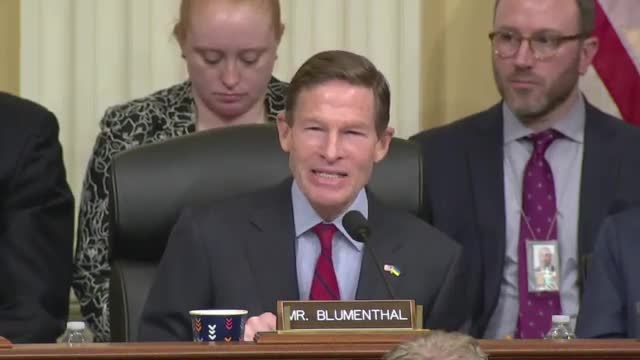
"This past month's assault on the VA workforce … will do significant and irreparable harm to the delivery of your care and benefits," Senator Richard Blumenthal said, citing what he described as another 1,400 terminations announced the night before the hearing and saying the total now stands at about 2,400 employees fired without explanation. "These men and women weren't fired because of poor performance," he said, recounting examples of employees with strong performance reviews and critical roles.
DAV's national leadership described the same concern. "These are not widgets. These are human beings," DAV Executive Director Randy Reese said, calling the series of personnel actions "unprofessional acts" and warning they will reduce institutional knowledge and capability.
Republican lawmakers pressed a different emphasis: several committee Republicans said agency changes aim to reduce bureaucracy and improve services. "Veterans who are sitting in front of me right now are who I'm fighting for, not bureaucracy," Representative Mike Bost said in his opening remarks. Bost and others repeated VA leadership's assertion that the agency has reduced its workforce by "less than 1%" and emphasized commitments from VA leaders that service delivery would not be affected.
Implementation and oversight questions: Multiple members said they have sought, but not yet received, detailed lists showing which positions were affected and whether those jobs were mission-critical. Senator Jerry Moran said the committees requested information broken down by location and occupation and that VA told lawmakers none of the impacted employees were in mission-critical positions, but he and other members said they are still waiting for documentation of exemptions and the process used.
DAV and other witnesses said they have heard pervasive confusion on the ground. Joy Elam, DAV legislative director, and other DAV leaders told lawmakers they are seeing staffing shortages and delays—particularly in processing PACT Act-related claims and specialized community-based services. "We're collaborating a lot, but we're not getting any information we really need," Jim Marsilek of DAV said about mandated engagements under the PACT Act.
Numbers cited at the hearing: lawmakers and witnesses referenced several figures during testimony: VA's total workforce of roughly 400,000; a cited shortfall of about 40,000 VA staff the agency told Congress it needs to serve demand; a claim that VA's reductions amount to "less than 1%" of the workforce; and figures tied to PACT Act implementation—statements at the hearing said the PACT Act made about 3.5 million veterans eligible and that about 2 million claims had been processed since enactment. Witnesses also repeated that the DAV-connected caregiver program had connected over 1,400 caregivers to resources since October 2023.
Veteran-service organization responses and proposals: Witnesses from DAV, AMVETS, VVA and others urged Congress to press VA for transparency and to hold the agency accountable for service levels. DAV said it was preparing its own statement on the terminations and urged VA to provide clearer information about exemptions and the implementation process. AMVETS and other groups called for reforms to ensure that workforce changes do not result in reduced access or degraded outcomes.
Lawmakers' next steps: Committee members asked VA for specific, traceable data—names or position categories, duties, location and whether the role was mission-critical—to assess operational impacts. Several lawmakers asked witnesses to bring examples of individual mission-critical positions they believe were affected so Congress can pursue targeted oversight.
Context and limits: Much of the hearing focused on oversight and information demands rather than on legislative votes. Committee leaders emphasized the committee's role in ensuring veterans receive care and said they would pursue further follow-up with VA leadership. Witnesses and lawmakers repeatedly warned against using veterans or veteran employees as "political pawns" while also urging transparency about what changes mean for service delivery.
The committee scheduled further panels and invited DAV and other VSOs to provide additional evidence of service impacts and specific personnel cases the committee should review. The hearing record includes repeated requests from lawmakers for VA to provide the requested details and to confirm whether any mission-critical gaps exist as the agency pursues workforce changes.