Get Full Government Meeting Transcripts, Videos, & Alerts Forever!
Get email alerts on the Senate Rules Reform topic
No spam. Unsubscribe anytime.
Senate temporary rules committee proposes transparency and timing changes to speed and open legislative process
Summary
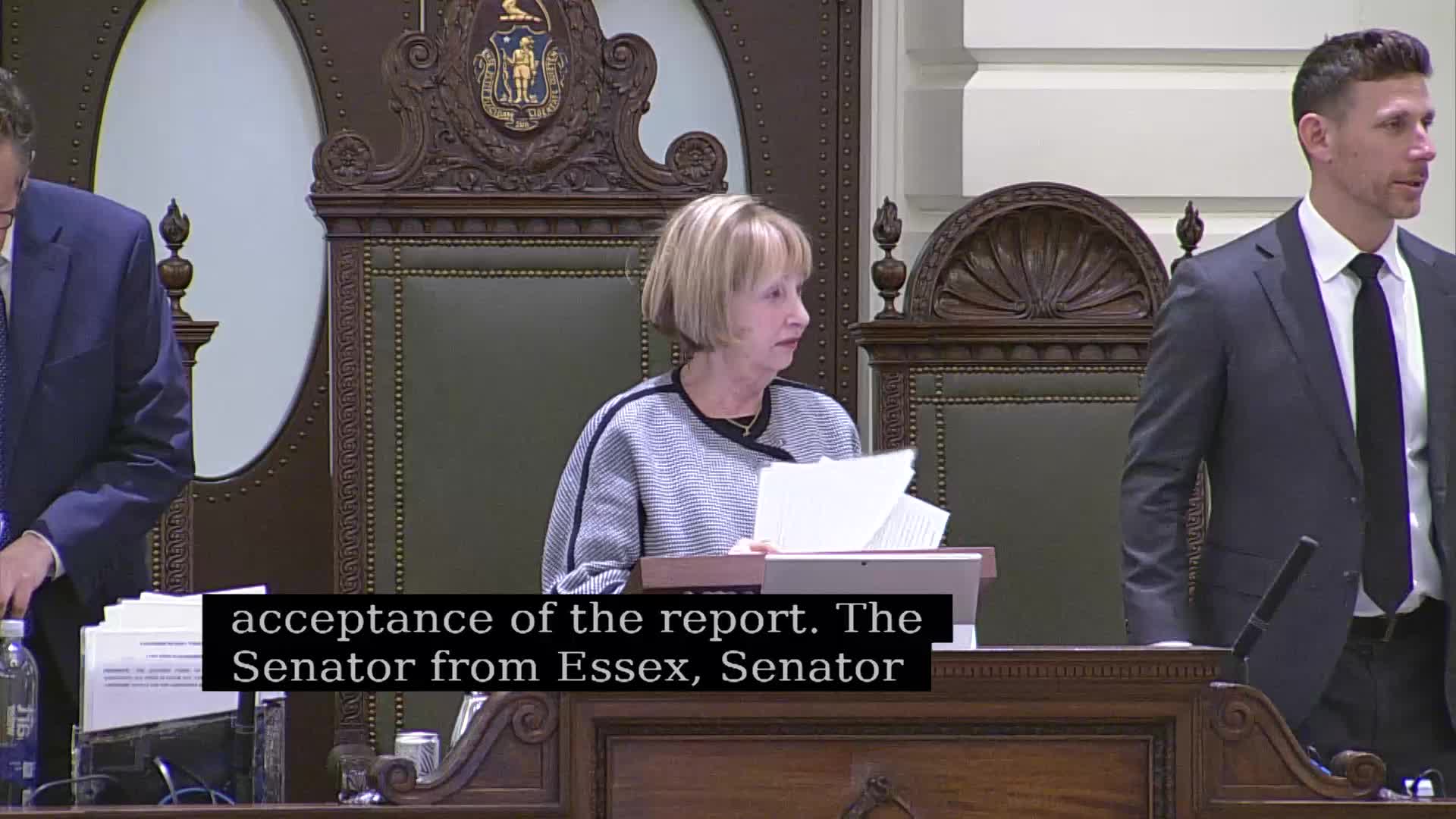
The Massachusetts Senate’s temporary rules committee on Jan. 14 presented a package of reforms to increase transparency and extend deadlines, including posting joint-committee votes online, publishing bill summaries, and adding cybersecurity training for legislative offices.
The Massachusetts Senate’s temporary rules committee on Jan. 14 presented a package of changes intended to increase transparency, extend notice for joint committee hearings, and give the Legislature more time to work on bills.
Committee chair Senator Joan B. Lovely framed the proposal as a transparency and efficiency package: “The Massachusetts senate is committed to creating a more affordable, equitable, and competitive commonwealth,” she said, and described rules that would require posting senators’ votes in joint committees online, make Ways and Means bill summaries publicly available, and require cybersecurity training for each senator’s office every session.
Key proposals
The joint- and senate-rules package includes: posting votes taken by senators in joint committees to the public website; requiring bill summaries be submitted and published with legislation before joint hearings; extending notice for joint committee hearings from 72 hours to five days; moving the joint-rule 10 reporting requirement into the first year of the two-year session (to reduce backlog in year two); opening the first conference-committee meeting to the public; and requiring a full calendar day between filing a conference report and acting on it on the floor. It also proposes renaming several committees to better reflect their jurisdictional focus.
Floor debate and a recorded vote
Senator Tarr offered an amendment to the proposed joint rules to reduce the number of bills allowed on a committee docket from 50 to 30. After debate the floor took a recorded roll call: the amendment failed, with 5 yeas and 33 nays. Senators who spoke in favor of the temporary rules package emphasized bipartisan committee work in drafting proposals; those opposed to that specific amendment argued committee chairs should retain discretion when dockets are heavy or bills are lengthy.
Why it matters
The package is designed to give the public more timely access to committee deliberations and to give members time to review conference reports and bill text before floor action. Supporters said the changes will reduce last-minute surprises and increase public participation; opponents of specific proposals said some clauses could be inflexible or unduly constrain committee chairs during heavy dockets.
Next steps
The rules proposals and associated floor amendments were debated and will continue through the chamber’s rules process; some amendments were adopted in the session, others were not. Sponsors asked members to consider the package as a framework to make the Legislature’s work more transparent and efficient.