Get Full Government Meeting Transcripts, Videos, & Alerts Forever!
Get email alerts on the Prior Bad Acts topic
No spam. Unsubscribe anytime.
Appeals court hears argument over prior-bad-acts evidence and sealed material in 24P2018
Summary
A three-judge panel of the Massachusetts Appeals Court heard arguments in 24P2018 about whether prior-bad-acts testimony was improperly admitted and how to handle sealed, impounded information that attorneys cannot mention at oral argument.
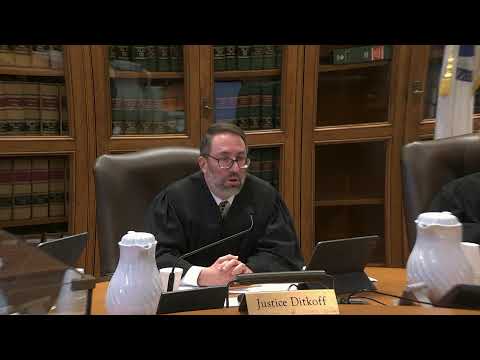
Justice Ditkoff, presiding, told counsel at the start of oral argument that sealed material in case number 24P2018 must not be discussed in court. "The legislature has decided this is sealed, and so we'll just have to avoid that," she said.
Tara Ganguly, attorney for defendant David Nudo, told the panel the exceptions to the rule against admitting prior-bad-acts, sometimes called propensity evidence, have "swallowed the rule." Ganguly argued that the contested evidence was ‘‘sandwiched’’ in the testimony between charged conduct and that its admission likely confused the jury, contributing to a split verdict.
Jennifer Cohen, arguing for the Commonwealth, responded that the evidence was offered for a non‑propensity purpose: to provide context for the parties’ relationship and the victim’s state of mind. "This evidence was relevant for a non propensity purpose," Cohen said, and she added the trial judge limited questioning about some aspects of the prior incident and gave contemporaneous instructions to the jury.
The panel pressed both sides on how the jury used corroborating evidence. Justice Hand noted instances where officers observed injuries or where the stun gun and other items were recovered; Ganguly acknowledged some corroborative evidence was admitted but said that did not resolve whether the admitted prior conduct was prejudicial when combined with how the Commonwealth used it in opening, cross‑examination and closing argument.
The court also discussed preservation of objections and whether defense counsel had properly lodged an objection after the trial judge's in‑limine ruling. The advocates cited split‑verdict precedent the parties had briefed, with Ganguly pointing to Commonwealth v. Dwyer as an example where a split verdict supported a finding of prejudice in admitting prior acts.
The panel closed the argument by noting the difficulty created by the procedural rule: the judges said they had reviewed briefs and appendices and would consider sealed material despite the parties' inability to speak about it at argument. Justice Ditkoff told counsel, "I assure you that we have read the brief and the appendices. We're familiar with your cases, and so you should jump right into your argument."