Lifetime Citizen Portal Access — AI Briefings, Alerts & Unlimited Follows
Senate HELP Committee chair outlines priorities on drug prices, literacy, gig work and pensions
Loading...
Summary
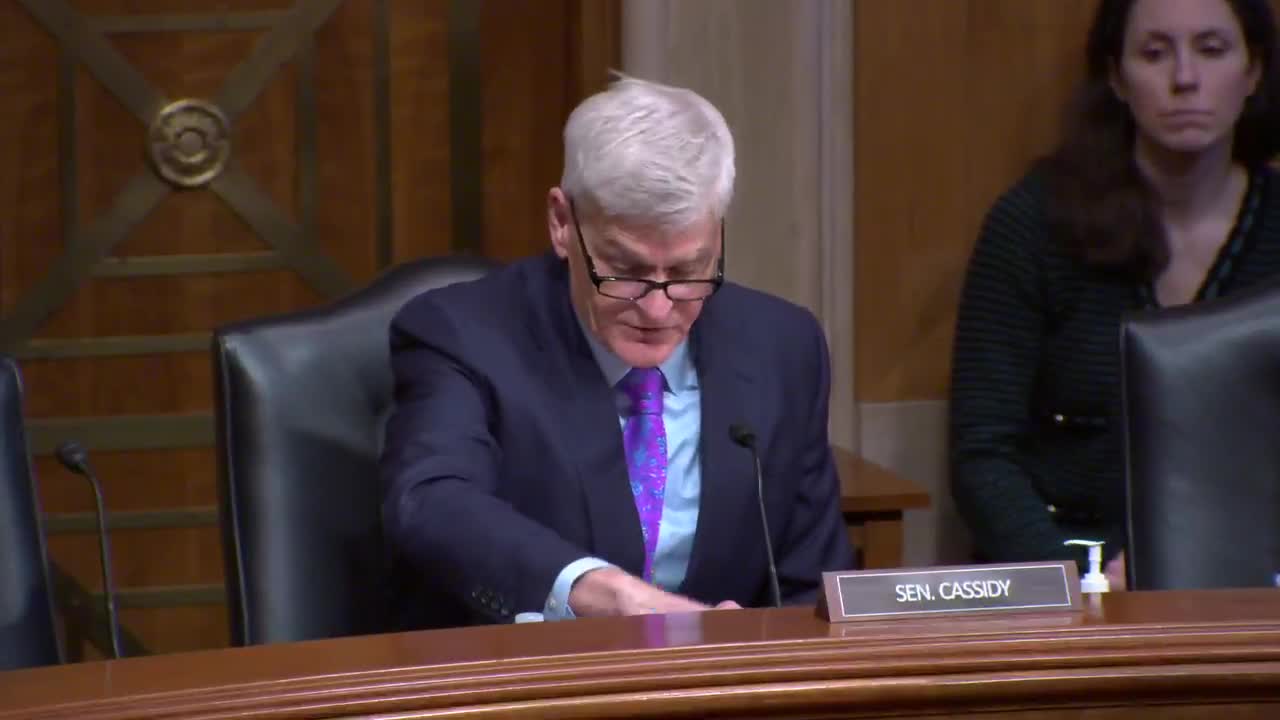
The chair of the Senate Health, Education, Labor, and Pensions Committee opened the 119th Congress committee meeting by listing prescription drug pricing, literacy and dyslexia services, campus antisemitism, gig-worker benefits and PBGC reform as priorities.
The chair of the Senate Health, Education, Labor, and Pensions Committee opened the committee’s first meeting of the 119th Congress by identifying several policy priorities, including lowering prescription drug costs, improving early-grade literacy and dyslexia services, addressing antisemitism on college campuses, supporting gig workers, and reforming the Pension Benefit Guaranty Corporation (PBGC).
The chair said the committee can find common ground on drug pricing and cited earlier work on pharmacy benefit manager (PBM) reform and speedier access to generics. “One issue where we can find common ground is addressing the high cost of prescription drugs,” the chair said, adding that last Congress the committee “passed the PBM reform act, reforming malaligned incentives for PBMs and ensuring that 100% of drug discounts are passed to the patient.” The chair said the committee will continue to advance those measures this Congress.
On literacy, the chair warned of low reading proficiency and said, “Two-thirds of U.S. public school students cannot read proficiently in 4th grade. Forty percent are essentially nonreaders.” The chair framed dyslexia as a significant contributor to those outcomes, saying about “20% of us” are dyslexic and that addressing dyslexia is essential to helping children reach their potential.
The chair also said the committee will prioritize campus antisemitism, describing attacks and harassment of Jewish students as a new priority for the Congress. On workforce issues, the chair urged policies that protect “more than 27,000,000 gig workers nationwide,” saying the committee should preserve flexibility for independent workers while expanding access to portable benefits such as retirement and health care.
The chair pointed to PBGC reform as a priority for retirement security, saying that committee oversight in the previous Congress prevented what the chair described as $375,000,000 in taxpayer funds from being “wrongfully paid to union pension funds.” The chair said further PBGC reform is important to ensure Americans can depend on their pensions.
Senator Bernie Sanders also spoke in the opening remarks. Sanders highlighted bipartisan work in the last Congress on drug pricing and on primary care capacity, saying the committee helped secure lower prices for asthma inhalers and reductions in insulin costs. “We were able to get three major drug companies to lower the cost of asthma inhalers, to $35,” Sanders said, and he urged that the bipartisan agreements reached last year be finalized and signed into law.
Both speakers framed workforce and health-care workforce shortages as priorities. Sanders listed a set of workforce and public health measures he said the committee agreed on previously, including reauthorizations and expansions of community health centers, the National Health Service Corps and teaching health centers, as well as work on the Older Americans Act and the Workforce Innovation and Opportunity Act.
These remarks were delivered at the start of the committee’s meeting and set the Chair and Senator Sanders’ public priorities for the 119th Congress; no binding committee actions on these issues were taken during the opening statements.