Lifetime Citizen Portal Access — AI Briefings, Alerts & Unlimited Follows
Lawmakers hear bill to extend Sunset Act, require JLARC work-plan criteria and litigation exceptions
Loading...
Summary
House Bill 1372 would extend Washington's Sunset Act for 20 years, require JLARC to proportion resources to program size and to weigh whether mandated recurring studies would yield new information, and require JLARC to conduct independent reviews of the sustainable-harvest calculation even when litigation is pending.
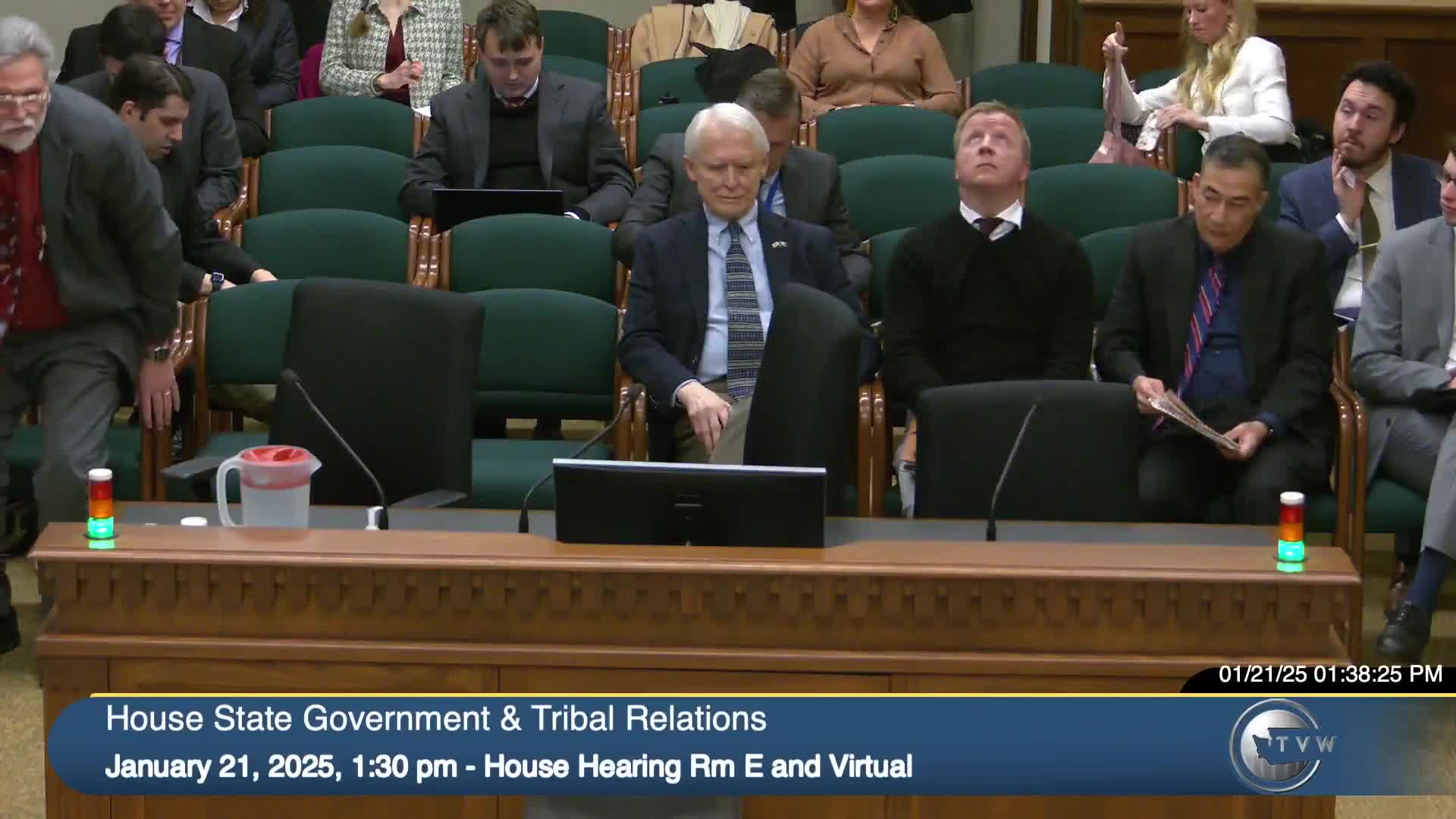
Olympia — Lawmakers examined House Bill 1372 on Tuesday, a measure that would extend the state's Sunset Act by 20 years, adjust how the Joint Legislative Audit and Review Committee (JLARC) develops its performance audit work plan, and require independent JLARC reviews of the Department of Natural Resources’ sustainable-harvest calculation even when litigation is pending.
Desiree Omley, OPR staff, briefed the committee on the bill’s three main areas: the Sunset Act background and extension, new JLARC work-plan criteria, and changes to JLARC’s oversight of the sustainable-harvest program administered by the Department of Natural Resources (DNR).
Sponsor Representative Ed Orcutt, a member of JLARC’s executive committee, told the committee he supports extending the Sunset Act to provide continuity for scheduled reviews and said the bill aims to give JLARC flexibility in scheduling and staffing audits. “We’re constantly talking about the work plan,” Orcutt said, stressing that some reviews are lengthy and staff-intensive and that the bill would help balance workloads over time.
The staff briefing and Orcutt’s remarks described three principal provisions:
• Sunset-act extension: the bill would push the act’s expiration 20 years forward to June 30, 2045, allowing scheduled program reviews to continue without interruption; staff said the act otherwise would expire this year.
• JLARC work-plan criteria: JLARC would be required to develop criteria ensuring resources devoted to program reviews are proportionate to a program’s budget size and complexity; the bill would also direct JLARC to consider whether a mandated recurring study would provide new information before including it in the plan.
• Sustainable-harvest reviews: the measure would require JLARC to conduct independent reviews of the DNR’s sustainable-harvest methodologies and data even in the presence of pending litigation, which staff said has previously delayed such reviews.
Orcutt said the change to the sustainable-harvest review requirement is important to his work on ag and natural resources issues and to ensure third-party oversight of DNR timber-sales calculations. He also said extending the period between recurring mandated studies could free JLARC staff capacity for other audits.
No committee vote was recorded at the hearing.
Why it matters: the bill affects how the Legislature schedules and funds oversight reviews of state programs and could change the timing and scope of audits that inform legislative decision-making. Supporters framed the bill as a resource-allocation and scheduling reform; the hearing did not record opposition testimony.