Get email alerts on the School Closure Repurpose topic
No spam. Unsubscribe anytime.
Appleton board votes to repurpose Columbus Elementary; students to transition to Edison
Summary
The Appleton Area School District board approved a motion to repurpose Columbus Elementary School and transition current Columbus students to Edison Elementary, citing low enrollment, academic performance and staff turnover. The board asked administration to develop a transition plan and to seek community input on attendance-boundary options.
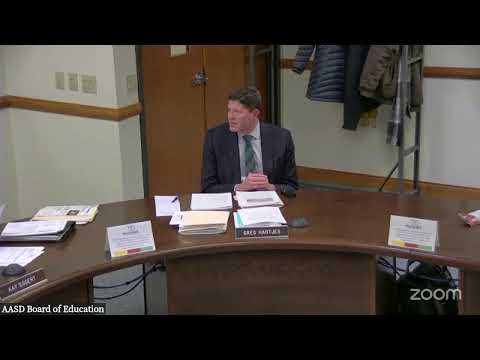
The Appleton Area School District Board of Education voted to repurpose Columbus Elementary School and transition the building’s students to Edison Elementary, based on a recommendation from district administration.
Board President Kay Eggert convened discussion and Superintendent Mr. Hartzell presented the administration recommendation, saying the district had monitored Columbus enrollment "for many years" and that the recent need to relocate other programs forced a decision point. Board member Edward Ruffalo moved to accept the administration recommendation; the motion was seconded by James Bacon.
The board, citing low enrollment at Columbus, persistently low test scores and high staff turnover, argued the change would give Columbus students a better learning environment and would help Edison maintain staffing levels. Ruffalo said the repurposing, if “executed properly,” could "provide a better learning experience for the students currently at Columbus," expand the district’s RISE program and produce net savings the administration estimated at more than $1 million.
Public commenters urged the board to slow the process and to weigh neighborhood impacts. Oliver Zorno, who identified himself as an Edison parent and neighbor, asked the board to consider whether the district’s decision-making "will build or diminish the trust, engagement, and support of the community."
Community members also raised concerns about the timing and pace of the process. Christie Codner, a resident, described the timing as rushed and warned of potential long-term harms to students from moving schools, citing research on adverse childhood experiences. Amy Sanders and other parents urged the district to plan for special-needs students and pressed the board to consider permanent local programs for students with serious disabilities.
Board members said they had heard the concerns and emphasized a shared need for a detailed transition plan. The administration said it had held five listening sessions in December (three at Columbus and two at Edison) and would produce a draft transition plan that includes staffing, transportation safety and neighborhood coordination. The board asked administration to solicit additional community feedback on several attendance-boundary options and to return with summarized input before finalizing boundary decisions.
During the roll call on the repurposing motion, the board recorded six votes in favor and one opposed. Recorded yes votes included Jason Kolpak, Peng (Ping) Tao, Nick Ross, Edward Ruffalo and Kaye Ager; Chris Sautter recorded a no vote. (Some roll-call entries in the transcript were not clearly attributed; the board’s public minutes will contain the official tally.) The motion passed and the board directed administration to develop and publish the transition timeline and to gather further public feedback on the boundary alternatives.
The board and administration clarified there would be a separate, later vote on attendance-boundary changes. Administration presented four boundary options (summarized for public review) that would move Columbus students into Edison and suggested the board could act on boundaries at a subsequent meeting after additional public input. Officials also said students already enrolled at Franklin or other schools under current open-enrollment rules could remain at their current schools if families preferred.
Next steps: administration will publish a draft transition plan, solicit additional feedback (including outreach to families living in affected zones), and return to the board with the compiled community input and recommended boundary adjustments for a later meeting.
AI generated
The text on this page is AI generated. Summaries, highlights, analysis, and video transcripts are all produced from the original source material.
AI can make mistakes, so if you spot one, and we will fix it for everyone.
Note: the source content is unaltered by us. Any content source we link to, be it a video, an audio recording, or a document, is presented exactly as its publisher released it. That publisher is usually a government body, sometimes an individual official or another organisation.