Lifetime Citizen Portal Access — AI Briefings, Alerts & Unlimited Follows
Glendora officials review draft objective design standards for zoning code
Loading...
Summary
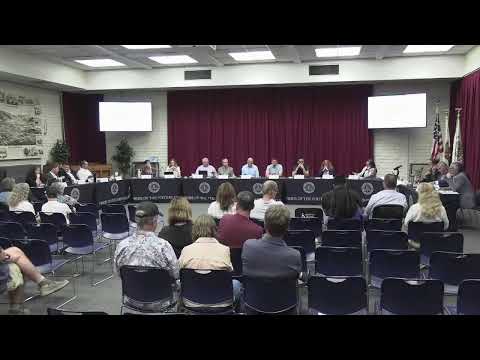
Glendora officials and their consultant presented a draft ordinance to create objective design standards for architecture and site design across most of the city, asking the joint City Council and Planning Commission for feedback at a special study session.
Glendora officials and their consultant presented a draft ordinance to create objective design standards (ODS) for architecture and site design across most of the city, asking the joint City Council and Planning Commission for feedback at a Sept. special study session.
The proposal would consolidate scattered design guidance into a single new chapter of the zoning code (Title 21) and convert many discretionary or guideline-style provisions into objective requirements that use language such as "shall" or "must," city principal planner Hans Bridal told the joint meeting. "Objective design standards are written as requirements, rather than as guidelines," Bridal said.
The draft would apply citywide outside designated hillside and certain project-specific plan areas and is explicitly written not to change existing land-use rules for density, height or permitted uses, consultant Alan Loomis of PlaceWorks said. "Objective design standards are not changing the underlying existing regulations that govern density and height within the city," Loomis said. Loomis and Bridal said the ordinance is intended to make design review more predictable for applicants and staff and to implement commitments in Glendora's most recent housing element and strategic plans.
Why it matters
State law has required objective standards for qualifying housing projects in recent years; Bridal cited California Government Code Section 66300(a)(7) while explaining that objective language reduces subjective decision-making and litigation risk. Staff said the ODS are part of the city's housing-element implementation (listed as a pending action in the element) and of a broader zoning cleanup to make development rules clearer and easier to administer.
What the ordinance would do
- Consolidate design provisions into a single new chapter (proposed Chapter 21.15) so applicants and staff can find design standards in one place. - Provide a "menu" approach: for many standards the code would require meeting a measurable objective and then allow applicants to achieve that objective by choosing from several specified options. - Cover building types from single-family and ADUs through multifamily, mixed use and commercial; multifamily standards are tiered (smaller lists for 10 units or less, longer lists for 11+ units). - Define a short list of architectural style palettes (examples cited in the draft: Craftsman, Farmhouse/Modern Farmhouse, Spanish Revival, Main Street, Googie/Route 66, Postmodern; staff later added Ranch and Mid-Century Modern in response to comments) and list required and optional features for each style so compliance can be verified. - Include objective measurable standards for items such as facade articulation, roof modulation, glazing for storefronts (with a higher glazing threshold inside the Glendora Village), open-space amenity sizing for multifamily projects and primary-entry treatments. - Offer a formal discretionary pathway for unusually iconic or non-listed designs: an applicant may propose an alternate architectural style but would be subject to discretionary design review and findings at the Planning Commission.
Public input and technical comments
Staff said they conducted broad outreach, including an online and in-person survey that drew roughly 560 submissions; an architect/developer roundtable (about 14 participants); stakeholder interviews; open houses; and event tabling. Bridal said community respondents most often favored Craftsman, Farmhouse and Spanish Revival for multifamily and Craftsman/Main Street/Spanish Revival for commercial.
Presenters said many developer comments were highly technical and that one firm redlined the draft; staff said those redline comments will be reviewed and some technical edits will appear in the next packet. Staff described some draft edits already made in response to feedback: for example, the allowed garage-size exclusion from floor-area-ratio was raised from 400 to 500 square feet and the draft was revised to permit asphalt or other "all-weather" driveway surfaces in some situations after cost and feasibility concerns were raised.
Public comment
About a dozen members of the public spoke during the session. Comments ranged from support for clearer, predictable standards and more attractive buildings to concerns about safety, scale, loss of village character, and the potential for developers to seek waivers or density concessions. Several speakers asked whether the new standards would allow taller buildings in the village and what protections existing residents would have; staff replied that the ODS do not change allowed zone height or density but that state laws providing density bonuses and concessions for qualifying affordable housing can affect how tall or dense some future projects may be. Staff said those state concessions are governed by separate statutory provisions and that cities must apply objective standards to qualifying housing projects rather than discretionary rules.
Next steps and timing
Staff and the consultant asked for direction and recommended advancing the draft for a Planning Commission recommendation and subsequent City Council hearings. Presenters said, barring major revisions, the city could complete hearings and adopt the ODS in time for effective implementation early next year; they also said the ODS will be revisited during the next general-plan/zoning-code update (the general-plan process is expected to begin next year and to run into 2029). Staff emphasized the standards would not replace or supersede building or fire codes; life-safety and state building code requirements would remain in force.
Discussion themes from Council and Commission
Council and commissioners generally praised the amount of outreach and technical work, asked for more detail and clarity in certain areas, and offered a range of policy preferences for staff to consider: several members urged narrowing the palette of permitted architectural styles for larger projects (suggesting the city consider keeping fewer, more "timeless" choices for big multifamily or commercial projects while retaining broader flexibility for small projects and single-family homes); others emphasized the need for fire- and life-safety-compatible material choices; and several members asked staff to prepare clear applicant checklists and a user's guide to make the new chapter straightforward at the counter.
No final action or vote occurred at the meeting; staff said the next formal steps are a Planning Commission public hearing/recommendation followed by City Council first and second readings and the 30-day ordinance effective period after adoption.
Closing
Mayor David Friedendahl thanked staff and the consultant and closed the public-comment period; staff will return the draft with revisions and more technical attachments for the public hearings and formal recommendation process.