Get Full Government Meeting Transcripts, Videos, & Alerts Forever!
Get email alerts on the North Idaho College topic
No spam. Unsubscribe anytime.
North Idaho College reports 15% enrollment rebound, faces EWA cuts and staffing challenges
Summary
North Idaho College told JFAC it is up about 15% in fall and spring enrollment after multi-year declines, but the college faces an ongoing enrollment workload adjustment reduction and is requesting capacity investments—particularly for nursing, welding and cyber defense—and help addressing accreditation-linked staffing recruitment issues.
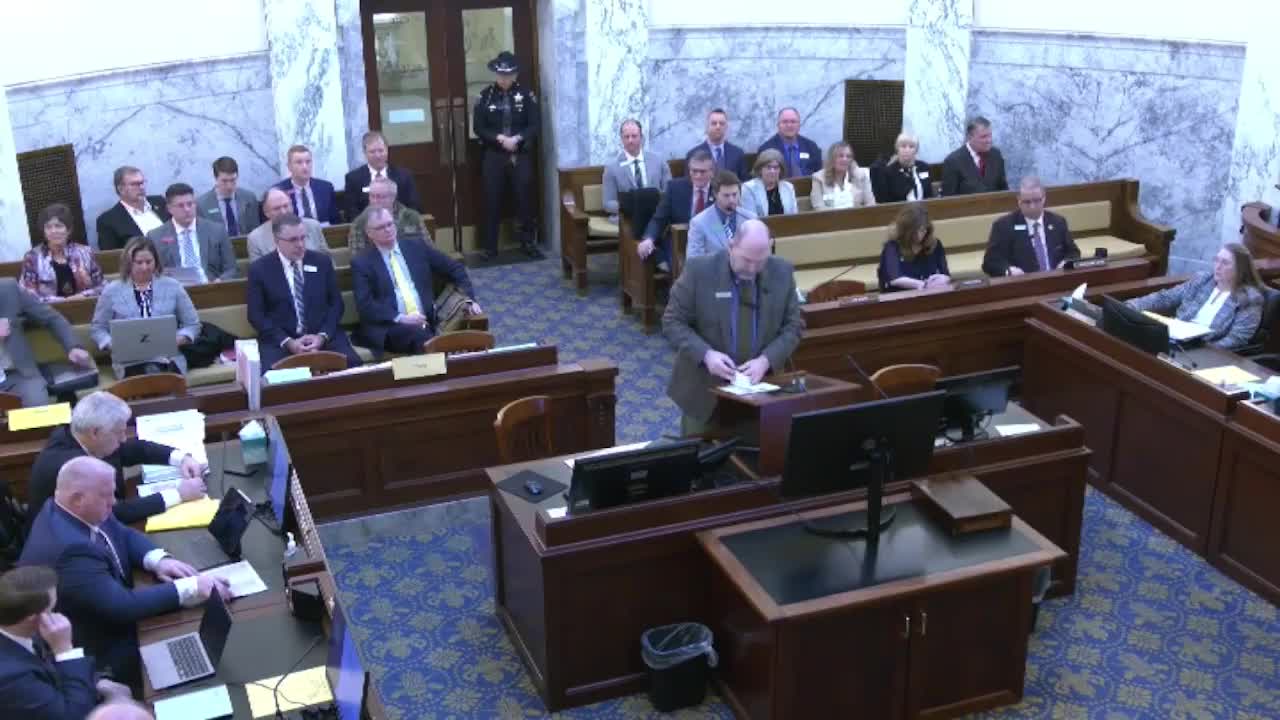
Kevin Campbell, budget and policy analyst for the Legislative Services Office, presented North Idaho College’s (NIC) FY2026 budget overview and five‑year appropriations history to the Joint Finance-Appropriations Committee.
NIC President Dr. Nick Swain told the committee the college saw enrollment increases of about 15% in fall 2024 and another 15% in the spring; the college reported roughly 571 new students on campus this spring. Despite the growth, the EWA produces an ongoing reduction of about $446,800 for FY2026, a cut Swain described as “a big bite” during a year of growth because EWA is a trailing three‑year average.
Why it matters: NIC argued the timing of the EWA reduction creates cashflow and capacity challenges because enrollment and related operating costs are increasing immediately while the formula’s trailing average still reflects earlier declines.
Capacity and program needs: Swain said NIC’s capacity requests focus largely on healthcare professions and skilled trades. Nursing is a priority: NIC seeks five nursing faculty positions to increase clinical cohorts from 40 students per semester to 60 (a 50% increase). Swain explained external accreditation and clinical supervision rules commonly require about a 10:1 student-to-instructor ratio for safe clinical experience.
Other capacity needs included a welding instructor to expand first-year welding cohorts (NIC said first-year students often are hired by industry before completing year two), and continued investment in cybersecurity defenses after a previous cybersecurity incident in the region. Swain said NIC’s cybersecurity budget rose from about $250,000 to above $500,000 annually.
Accreditation status and staffing: committee members asked about NIC’s accreditation history. Swain said NIC was placed on show‑cause in February 2023 but as of the night before the hearing the college had been removed from show‑cause and was on probation; the college continues work to stabilize staffing. He told members high local cost of living and regional competition (including Spokane institutions) make recruitment and retention difficult.
Taxing authority and outreach: Swain said NIC has taxing authority only in Kootenai County; students from other North Idaho counties may be treated as out‑of‑district and their counties can reimburse the difference (funding mechanisms vary by county). NIC operates outreach centers in Sandpoint, Rathdrum and Post Falls and supports Head Start and Area Agency on Aging programs across the region.
What NIC asked from JFAC: support for governor’s CTE/capacity initiative funds to address immediate waiting lists and personnel shortages (Swain emphasized money would be used largely for faculty positions and clinical coordination rather than new buildings); relief or hold‑harmless treatment for EWA adjustments while enrollment rebounds; and help with cybersecurity and nursing faculty compensation.
Ending note: Swain said NIC’s enrollment rebound demonstrates restored community confidence after years of decline and reiterated that targeted faculty hires and clinical capacity—rather than tuition increases or new buildings—are the primary levers to meet current workforce and student demand.