Lifetime Citizen Portal Access — AI Briefings, Alerts & Unlimited Follows
UN special representative outlines challenges to Colombia peace implementation, urges support for restorative sentences and reintegration
Loading...
Summary
Miroslav Vientcha, the secretary-general's newly appointed special representative to Colombia, briefed the Security Council on progress and gaps in implementing the 2016 final peace agreement, stressing the need for security measures, budget support for restorative sentences, and protection for former combatants ahead of national elections.
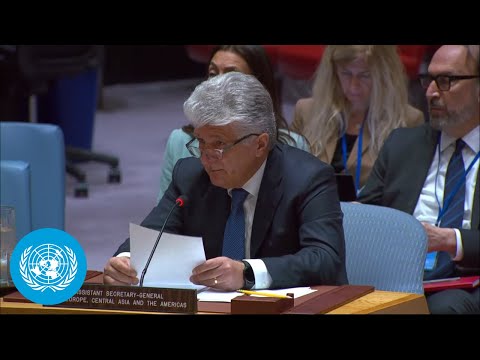
Miroslav Vientcha, the secretary-general’s special representative-designate to Colombia, told the United Nations Security Council that Colombia has advanced on the path to peace but now faces urgent security and financing challenges that risk undermining implementation of the final peace agreement.
Vientcha said he conducted a preparatory visit to Colombia and met signatory parties, government officials and civil society, and that he will formally assume his post in Bogotá later this month. "The Security Council's involvement has been fundamental to the achievements of Colombia's peace process," he said, and added that the verification mission stands ready "to independently and rigorously verify compliance and implementation."
The briefing highlighted three interlocking concerns: recent spikes in violence in some regions, budgetary constraints that could impede restorative measures ordered by the Special Jurisdiction for Peace, and the security of former FARC-EP members and affected communities. "Immediate actions coupled with sustained long term investments are needed to fully realize the transformative potential of the agreement," Vientcha said.
Why it matters: The mission verified the terms of a nationally owned peace process that includes rural reform, transitional justice and reintegration. The Security Council will soon consider renewal of the mission's mandate; the briefing aimed to inform those deliberations by assessing progress on key chapters of the agreement and by flagging priorities for follow-up.
Key facts from the briefing
- Restorative sentences: The president of the Special Jurisdiction for Peace issued the first restorative sentences against former FARC and members of the security forces, which the secretary-general and Vientcha described as an historic milestone. Restorative actions identified by the court include searches for missing persons, mine removal and construction of memorials and community infrastructure. The Special Jurisdiction called on the government and congress to assign additional budgetary resources to translate sentences into restorative actions.
- Reintegration and security: Vientcha said reintegration remains central to the agreement’s integrity. He repeated figures from the secretary-general's report that more than 11,000 former FARC-EP members laid down arms and remain part of the process, and that nearly 500 former combatants have been killed since the agreement’s signing. "Enhancing security for them, and equally important, for communities is critical," he said.
- Rural reform and state presence: Vientcha said progress on land reform has potential to unlock development and extend an effective state presence into conflict-affected regions, but stressed that implementation has been uneven and that illegal economies and territorial disputes by armed groups continue to impede progress.
- Mission posture and efficiency: As part of a broader UN organizational realignment, the mission has taken steps to streamline operations while retaining its regional presence. Vientcha said the mission has already reduced personnel previously assigned to verify a now-inactive ceasefire with the National Liberation Army (ELN).
Remarks from others and context
Vientcha recognized the participation of Leonor Salabata, Permanent Representative of the Republic of Colombia, and thanked the Colombian government for ongoing cooperation with the verification mission. He also noted the coming national elections as a period of elevated political tension and said it will be important for the state to ensure the safe conduct of the vote.
No formal Security Council decisions or votes were recorded in the transcript of this briefing. Vientcha closed by pledging to exercise "sound leadership on the ground in pursuit of our collective work for peace and security in Colombia."
What comes next
The Security Council will consider renewal of the verification mission’s mandate in the coming weeks; Vientcha’s briefing flagged budgetary support for restorative actions, security guarantees for reintegration, and continued mission presence in priority regions as immediate priorities the council may weigh when setting the mission’s next mandate.