Lifetime Citizen Portal Access — AI Briefings, Alerts & Unlimited Follows
Seward, Dairy Processing LLC sign site-readiness MOU outlining utility, wastewater limits and funding expectations
Loading...
Summary
The Seward City Council approved a memorandum of understanding with Dairy Processing LLC setting site-readiness standards, utility connections, wastewater loading limits and coordination on grants and TIF financing for the Seward Rail Campus; the MOU is contingent on TIF and includes a seven-year projection for wastewater loads.
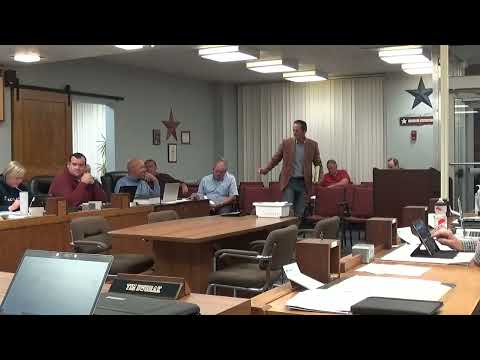
The Seward City Council on Monday approved a memorandum of understanding (MOU) with Dairy Processing LLC that establishes site-readiness standards, utility connections and wastewater-loading expectations for the Seward Rail Campus.
The MOU, presented by city staff, lays out access points, utility routing, staging for stormwater and construction, and projected electric, natural gas and wastewater needs. The agreement is explicit that certain elements are contingent on previously approved tax-increment financing (TIF) and on utility providers’ capacity and approvals.
Why it matters: Dairy Processing is expected to be a heavy wastewater user and one of the largest site tenants; the MOU sets maximums for biochemical oxygen demand (BOD), total suspended solids (TSS), fats/oils/grease (FOG) and nitrogen compounds so the city and the company share expectations and testing protocols.
Greg (city staff) told the council the MOU “lays out the standards for what the expectations are for having the site prepared, access points, utility points, how we're gonna bring utilities in, what the rates will be to start out with.” The MOU includes on-site and city randomized wastewater testing; city staff said thresholds are not currently being charged because current loadings do not exceed limits but that monitoring and potential fees will apply if limits are exceeded.
The document discusses electric capacity and the need to coordinate with Nebraska Public Power District (NPPD) and other providers while noting the city’s upcoming substation upgrade. For natural gas, the MOU references ongoing work by Black Hills Energy to add a second town border station to improve supply to the rail campus area. On water and stormwater, staff described routine coordination about mains, detention and construction access.
Greg said the city has been negotiating the MOU with the company for roughly two years: “It’s gonna take the whole duration from the very beginning to where we are now to have all these conversations.” He also noted the city and Dairy Processing LLC will cooperate on applying for economic development grants, including Department of Transportation and CDBG funds, to build infrastructure such as Wortham Boulevard and water mains.
The MOU includes a seven-year outlook of wastewater projections tied to Dairy Processing’s growth estimates; staff emphasized the projection is just that — a planning number rather than a binding commitment. Mike (city staff) and engineering consultants helped define loading limits and the technical testing regime referenced in the agreement.
Council action: The council moved and seconded approval; the vote was recorded as 7–0 in favor.
What comes next: Dairy Processing has approved the MOU on its side and will sign once the city completes its routing and exhibits; the MOU is intended as a reference document for later design, permitting and cost-allocation decisions related to wastewater treatment plant expansion and other site infrastructure.