Lifetime Citizen Portal Access — AI Briefings, Alerts & Unlimited Follows
Hearing on bill to create civil liability for sexual harassment in sport: DRD supports intent, urges clearer definitions and limits
Loading...
Summary
A House of Representatives public hearing on Proyecto de la Cámara 8‑15 examined proposed amendments that would add civil remedies for sexual harassment and related conduct in Puerto Rican sport.
A House of Representatives public hearing on Proyecto de la Cámara 8‑15 examined proposed amendments that would add civil remedies for sexual harassment and related conduct in Puerto Rican sport. The bill would create individual civil liability, make sports entities liable where they knew or should have known of misconduct and failed to act, and extend liability in some cases to third parties such as spectators. The measure proposes damages equal to double the amount of proven damages or a minimum of $10,000, at the court's discretion.
Why it matters: The bill would introduce explicit civil consequences for harassment in athletic contexts and could change legal exposure for clubs, federations and venues while creating a private remedy for victims who currently rely mainly on administrative or criminal processes.
Department position and recommended changes
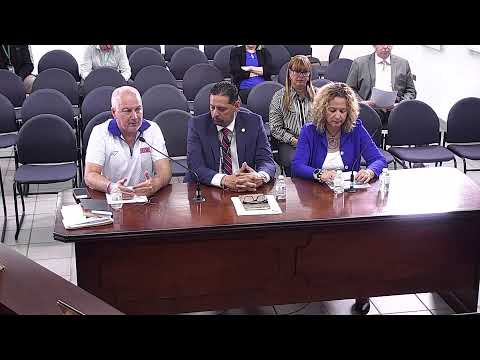
María Isabel Velázquez García, who presented for the Department of Recreation and Sports (DRD), said the agency "avala la intención y el propósito de la medida" but urged drafting changes to make the measure workable. DRD officials told the committee the department already distributes a prevention-and-response guide (issued in 2020), offers training to coaches and parents, and requires accredited entities to present protocols as part of the accreditation process.
Velázquez proposed that the bill include a statutory definition of "entidad deportiva" to avoid imposing liability on entities that do not have direct control over an athlete. She read DRD's proposed definition into the record: "Una entidad deportiva se refiere a todo club deportivo, organizaciones, ligas, federaciones y centros recreativos que realicen actividades recreativas, deportivas y educativas ... registradas en el Departamento de Estado y certificadas por el Departamento de Recreación y Deporte." The DRD said limiting coverage to entities that are registered and certified would help avoid an "excesiva carga de demandas" on the agency and on entities that lack ongoing operational control over athletes.
DRD also recommended: - Limiting entity liability to the scope of the entity's actual control and the opportunities it had to act; - Clarifying that responsibility applies regardless of whether funds or facilities are public or private (i.e., include both public and private funding/facility uses in the text); - Creating a prescriptive period for civil claims (DRD suggested a one‑year period measured from the last event in a continuing course of conduct) to provide "certeza jurídica" and reduce stale suits; and - Requiring accredited entities to include in their protocols referrals to police or the Department of Family when appropriate, and to temporarily remove implicated individuals pending investigation.
DRD officials said the department accredits thousands of entities and requires protocols as part of accreditation. Edwin Hernández stated that accreditation includes submission of protocols and that when a protocol is presented but not followed, the accreditation process documents that failure. Hernández and Velázquez noted DRD offers courses and family-oriented workshops year‑round but said education alone "pudiera convertirse en un mero panfleto" if victims are not encouraged to file complaints.
Concerns from committee members and witnesses
Legislators pressed DRD staff on the reach of the proposed entity‑level liability and whether informal or unregistered clubs would fall within the law. Committee members asked how DRD would avoid being sued for incidents by parties over which it has no day‑to‑day control. DRD replied it wants the statutory definition to limit liability to entities that the department both registers and certifies and that in cases involving persons unaffiliated with the entity (for example, spectators), liability should be limited to the real scope of the entity's control.
On the prescriptive period, legislators and DRD discussed the special considerations for minors. A committee member noted that, under general civil rules applicable in Puerto Rico, a one‑year prescriptive term often runs from the date a minor reaches majority; DRD agreed that the law should account for those rules or state an explicit tolling rule for minors if the legislature intends a different approach.
Process and next steps
Committee leadership asked DRD to provide the department's accreditation guide to the committee on a short timetable, and recorded a direction for DRD to deliver that guide within five days for the committee record. No formal vote or adoption occurred at the hearing; members and witnesses agreed to continue technical drafting and to consider DRD's recommended clarifications in committee.
Ending
The hearing left the underlying objective — strengthening protection for athletes and creating civil remedies for harassment — intact while identifying drafting choices the committee will need to resolve: how to define the covered "entidades deportivas," how far entity liability should extend (especially for incidents involving third parties), and how to set an appropriate prescriptive period and enforcement path that balances victim remedies with manageable obligations for accrediting agencies and community organizations.