Lifetime Citizen Portal Access — AI Briefings, Alerts & Unlimited Follows
Duluth HRA seeks levy to support housing, security and development programs
Loading...
Summary
The Housing and Redevelopment Authority presented a 2026 tax levy request to Duluth city council, asking to maintain last year’s levy level to fund projects including Mission Heights, security contracts, emergency repairs and workforce homeownership; council later tabled the formal levy resolution for two weeks.
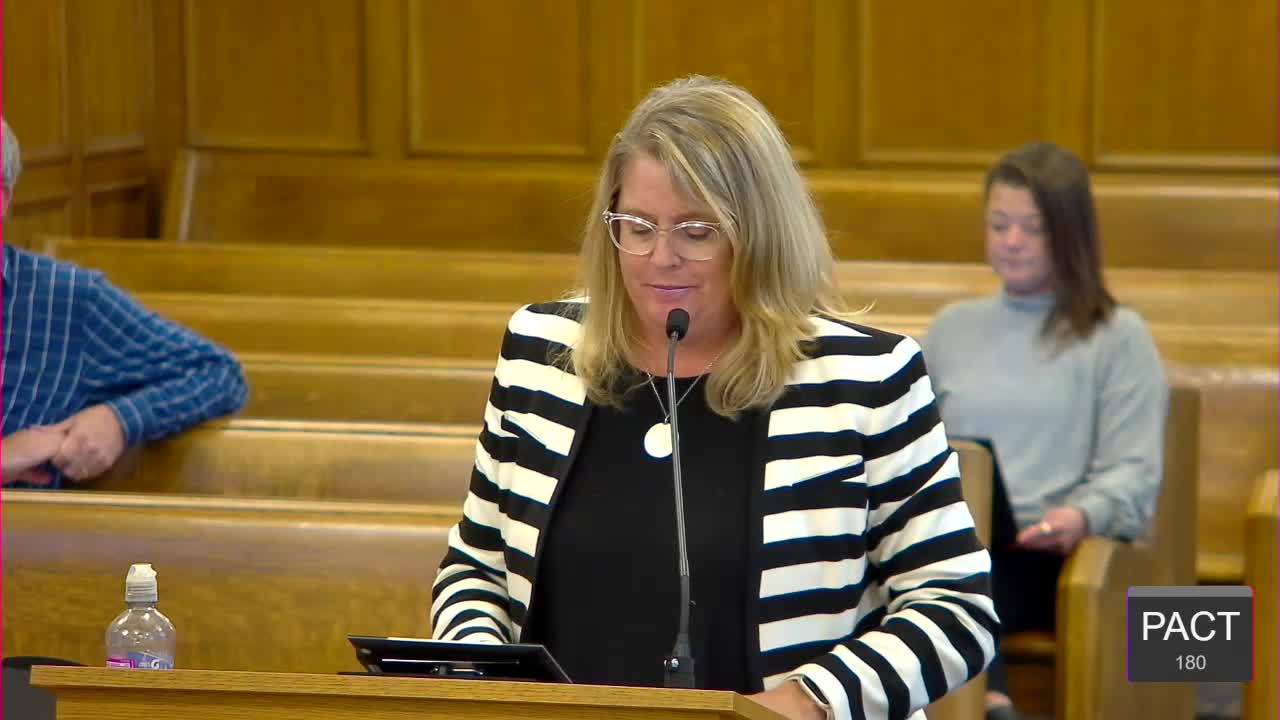
Jill Keppers, executive director of the Duluth Housing and Redevelopment Authority, presented the HRA's proposed 2026 tax levy to the City Council, describing how levy funds would support a wide range of housing programs and operations.
Keppers told council the HRA operates three main departments — rent subsidy, owned housing, and rehab and real estate — and a growing finance and central-office staff. She said the authority houses roughly 3,300 households daily, administers about $16 million in rental assistance paid to local landlords, and manages capital improvement funding and state rehab resources that support local construction work.
The HRA requested roughly $2.07 million in levy revenue in 2026, Keppers said, noting the request keeps the levy rate the same as last year so the authority can continue to capture revenue to support Mission Heights. Keppers gave itemized uses for levy dollars, including $490,000 to support owned housing and rent subsidy program shortfalls and Harbor Highlands phase 1; $300,000 for a high-rise security contract; $132,633 for warming center and community center operations; $60,000 for Harbor Highlands Community Center operations; and roughly $1.1 million for affordable housing programs and development. She also listed funding for workforce homeownership, construction training, single-family home improvement programs, a landlord mitigation fund, and support for two community police officer positions.
Keppers said HRA has transitioned most public housing into Section 8-type subsidy platforms and now administers 2,137 Housing Choice Vouchers (35 of which she said are set aside for nonelderly, nondisabled households). She also said the HRA manages 120 owned rental units and operates local resource centers and community buildings.
Councilors asked several operational and budget questions. Councilor Randolph asked how the requested levy compared with last year; Keppers said the HRA went to its maximum levy last year to support Mission Heights and this year's levy maintains that rate, capturing an additional $85,966. She gave an example: for a $275,000 home the levy effect would rise from $40.10 to $41.84 annually, an increase of $1.74 per year. Acting finance director Joe Bailey provided one figure for the housing trust fund balance in response to a council budget question: “approximately 1,800,000.0 in cash and 3,000,000 in outstanding loans,” he said.
Vice President Nephew and other councilors pressed Keppers about Mission Heights tax credit scoring, noting the project scored highly and that feasibility of the engagement center could affect funding. Keppers said the House bonding committee will do a site visit in October and that the engagement center match and local support matter to Minnesota Housing’s final decision.
When the council later considered formal levy resolutions, it moved to table Resolution 700 — the HRA special taxing district levy — to the next council meeting so members could review the finance presentation and related materials. The motion to table was moved by Councilor Forsman and seconded; the tabling motion passed 9 to 0.
Keppers invited councilors to the HRA finance committee meeting in July (her recurring budget review) and offered to provide more detail on any line items. She also described the HRA’s construction-training program and other development efforts, including the warming center rehab opened in 2022 and partnership plans with Union Gospel Mission.
Why it matters: The HRA’s levy request represents a discretionary funding source the authority uses for locally directed development, gap financing and services that are not program-restricted. Keppers emphasized the levy’s flexibility compared with HUD-restricted program funds and how it enables local development and support services that leverage federal and state grants.
Looking ahead: The council tabled the formal HRA levy resolution for two weeks so members could review the budget materials and consider the levy alongside other city levies.
Sources: Presentation and Q&A at the Duluth City Council meeting, statements by Jill Keppers (executive director, Duluth HRA), Acting Finance Director Joe Bailey, and councilors during the meeting.