Get email alerts on the Rural Recycling topic
No spam. Unsubscribe anytime.
Supervisors ask for reporting and costs before changing rural recycling program
Summary
Board members reviewed rural recycling options and contractor reports from neighboring counties, highlighted missing tonnage reports from their contractor, and asked staff to get data and vendor responses before deciding on new containers, cameras or program changes
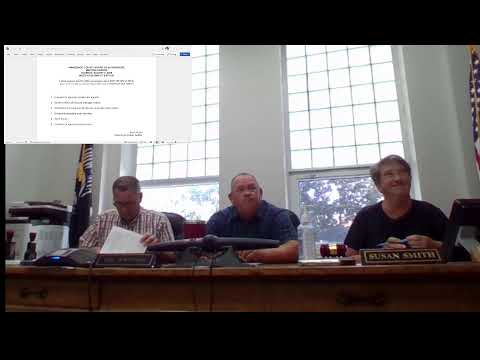
Winnebago County supervisors discussed rural recycling options and asked staff to collect firm data from the county’s recycling contractor before making any program changes.
Carla (staff member) summarized outreach to neighboring counties: Worth County operates a staffed recycling center with one full‑time employee; the Worth County figures discussed at the meeting included operating expenses in the $113,000–138,000 range across recent fiscal years and a higher overall budget figure noted in discussion as $200,000 a year for a staffed center if additional services or employees were required. Hancock County reported use of four large rural recycling containers; the transcript records a cost figure of about $5,800 per month for all four containers combined. Officials from other counties told the board they have removed rural containers where abuse and contamination made the service ineffective.
The board’s immediate concern was that their current contractor has not provided the tonnage and diversion reports required by contract; supervisors said those reports are necessary to determine whether rural collection points are achieving meaningful recycling or primarily collecting contaminated material that becomes landfill waste. Supervisors discussed practical container designs to discourage dumping of commercial loads (examples included small openings that require cardboard to be flattened and controlled lid openings) and the pros and cons of dumpsters versus monitored drop‑boxes. The board also discussed installing a higher‑resolution camera on a pole to check materials deposited in rural containers; staff (Bridal in the transcript) said he was looking into camera options and mounting locations.
What happened next: supervisors asked staff to (1) obtain the contractor’s written tonnage and diversion reports and receipts that document where collected material is delivered; (2) follow up on the Worth and Hancock county figures for comparability and costs if Winnebago were to shift volume to a neighboring center; and (3) provide cost estimates for container modifications, camera installation and for a staffed center if the county considers creating one. No program changes or new contracts were approved at the meeting.
Speakers expressed differing views on whether to continue the rural program; several board members suggested that, absent reliable diversion data, the county should consider pausing or modifying collection options that are routinely contaminated by commercial haulers. The board did not direct staff to suspend services but emphasized the need for data and clearer contractor reporting before making decisions.
AI generated
The text on this page is AI generated. Summaries, highlights, analysis, and video transcripts are all produced from the original source material.
AI can make mistakes, so if you spot one, and we will fix it for everyone.
Note: the source content is unaltered by us. Any content source we link to, be it a video, an audio recording, or a document, is presented exactly as its publisher released it. That publisher is usually a government body, sometimes an individual official or another organisation.