Lifetime Citizen Portal Access — AI Briefings, Alerts & Unlimited Follows
North Coast Opportunities outlines Lake County pilot to harden homes against wildfire
Loading...
Summary
North Coast Opportunities and Cal OES presented the county's first home-hardening pilot in Kelseyville, describing methods, costs and funding sources and saying the model is meant for statewide replication.
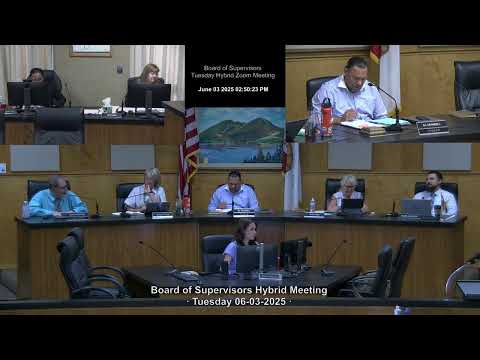
North Coast Opportunities (NCO) and a representative of the California Wildfire Mitigation Program gave a progress report to the Lake County Board of Supervisors on a home-hardening pilot centered in the Kelseyville Riviera neighborhood, saying the effort aims to reduce ignition from embers and build a replicable statewide model.
Diana Fernway, program manager for the Lake County Home Partnering Program at North Coast Opportunities, told the board the program has completed one year of construction work and provided free or subsidized home hardening to vulnerable households. Fernway said most of the homes lost to wildfire are ignited by embers and that the program focuses on "ember intrusion" protections such as vents, screens, gutters and other retrofits.
Jay Lopez, who presented background on the California Wildfire Mitigation Program and its legislative origin, said the program was created after Assembly Bill 38 (2019) and the joint authority formed by CAL FIRE and Cal OES in 2021. Lopez said Lake County received the program's first grant in 2023 and that the work being done locally is intended to become a model other communities can use.
NCO said the pilot uses a "cluster resiliency" approach: concentrating home hardening within a neighborhood so hardened homes slow fire spread across adjacent properties. NCO has targeted 500 homes in a close cluster in the Kelseyville Riviera Association; Fernway said the project hardened 24 homes in the first year, has six homes in active construction, about 10 in development, and maintains a map with roughly 300 homes on an interested-parties list.
Program costs and funding
Fernway told the board the average retrofit cost is about $55,000 per home, a figure that includes defensible-space work. NCO said most low-income households receive work entirely free; higher-income homeowners may be offered a 10% or 25% cost share. Funding for the pilot combines state grant money with FEMA Hazard Mitigation Grant Program funding, with NCO providing required matching funds.
Lopez and Fernway said the pilot grant award to Lake County was on the order of $22,000,000 and that the program must be renewed periodically under state law; Lopez said the program is a pilot through 2029 and cited proposed legislation (AB 441) to extend or make the program permanent. They also said state and federal funding opportunities are actively being pursued and that NCO submitted a notice of intent for follow-on funding.
Scope, standards and homeowner guidance
Program staff described the technical approach: individualized assessments, a set of minimal quality standards developed with the State Fire Marshal and academic researchers, and retrofit levels that sometimes exceed state minimums (for example, up to two feet of siding hardening where the state calls for six inches). Fernway emphasized low-cost and no-cost actions homeowners can take immediately (cleaning gutters, removing vegetation within the first five feet around the home, installing noncombustible vents and strap gaskets on garages) and listed higher-cost options (noncombustible siding, enclosing eaves, roof replacement).
Fernway said the program aligns its retrofits with the state's Safer from Wildfire initiative to help homeowners pursue insurance discounts or the wildfire-hardening designation offered through the Department of Insurance, and that NCO provides each participating homeowner with a detailed report documenting the work performed.
Targeting and eligibility
NCO said the pilot focuses on homes built before February 2008 that are free of outstanding code violations and meet environmental review requirements tied to FEMA funding. The pilot area was chosen for its housing density, vulnerable ingress/egress routes and local wind patterns; Anderson Springs and other parts of the county are not in the current cluster but could be considered for future rounds if additional funding becomes available.
Board questions and next steps
Supervisors asked about cost, scale and sustainability. Fernway confirmed the average cost estimate of about $55,000 per home and said NCO has applied for additional home-hardening grants. Lopez said the program's statutory structure requires reauthorization every five years unless legislation changes. NCO said it aims to harden at least 50 homes next year as processes are refined and that statewide investments and climate bond funding may expand capacity.
Fernway concluded by offering local resources (a county home-hardening website, home assessment sign-ups and a monthly newsletter) and by urging homeowners to prioritize Zone 0 (the first five feet around the house) and vents as the most cost-effective defenses.