Lifetime Citizen Portal Access — AI Briefings, Alerts & Unlimited Follows
Nonprofit says plastic pollution surrounds Dakar, describes two-year beach water monitoring program
Loading...
Summary
A representative of Self Bridal Foundation described persistent plastic pollution on Dakar’s beaches, local efforts to reduce single-use plastics and a weekly water-quality monitoring program begun in June 2023 that will reach two years in June 2025.
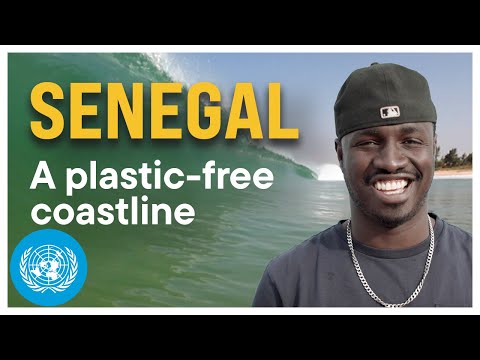
A representative of Self Bridal Foundation told a public meeting that Dakar’s peninsula is surrounded by plastic pollution and that the foundation has begun a water-quality monitoring program at six busy beaches.
"Dakar is a peninsula. We were surrounded by the water. A matter of, like, a big wind and every trash that you can put on the street even can end up on the ocean," the commenter said, describing daily plastic accumulation and the motivation behind the nonprofit’s work.
The speaker said the foundation took several local steps to reduce plastic waste and document water quality. The commenter said business changes reduced single-use plastic in their operations by about 35% and that the foundation bought 100 trash cans and distributed them across six beaches, with city hall collecting their contents every two days. "A lot of my customers responded to this initiative with happiness. I realized that 35% of plastic strategies was eliminated," the commenter said.
At the same time, Self Bridal Foundation launched a weekly water-sampling program in June 2023 to create a database of water-quality measurements the group can share with officials. "In Senegal, there is no norm of, like, quality of the water. So we decided to run test of 6 different beach that are very well attended. Every Tuesday, we take a sample that we bring to the lab," the commenter said. The speaker said the group expects to mark two years of sampling in June 2025 and use the accumulated data to show officials current conditions.
The commenter linked plastic pollution to health risks, citing microplastic ingestion in fish and urging early education about plastic harms. "It's not even they want really need it. We cannot be healthy in an environment where plastic is, like, everywhere because we know that plastic is a chemical material. And we have seen, like, in some fish, they have microplastic," the commenter said.
The speaker characterized sewage as an additional coastal pollution problem and described the group's goal of a participatory solution that involves community members. "This is what's happening actually. Now what can we do in order to change this? Because it's vital. We want the solution to be, like, participative. Everyone come and brings this onslaught, and together, we can create the best for us," the commenter said.
Looking ahead, the speaker said the foundation and its team plan to continue the work despite anticipated challenges and want to leave a cleaner environment for future generations. "Now how to get there is gonna be a lot of challenges and a lot of struggle, And I'm willing to do it with my team at Self Bridal Foundation because we all have 1 mission," the commenter said.
No formal votes or official policy actions were announced during the remarks; the presentation described nonprofit activities, monitoring results-to-date, and planned community engagement and reporting to officials.