Lifetime Citizen Portal Access — AI Briefings, Alerts & Unlimited Follows
Women in Senegal describe reforestation, market-garden project after 500 m² allocation by Eaux et Forêts
Loading...
Summary
Community members said Eaux et Forêts allocated 500 square meters in 2005 for a women's agroforestry and market-garden project; speakers described tree planting, fruit yields and plans for a nursery to reduce labor.
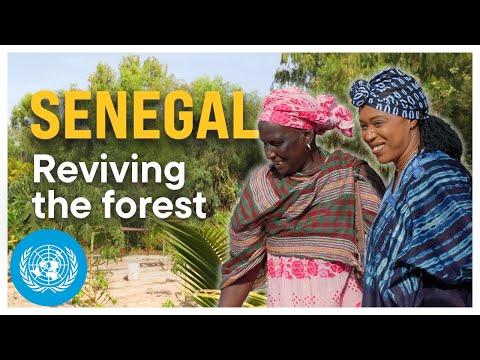
Community members described a village reforestation and market-garden project in Senegal, saying the forestry service Eaux et Forêts allocated 500 square meters for cultivation on May 2, 2005 and that women in the project have planted fruit trees and run market gardens.
Resident (Speaker 1), a community member and project participant, said the site had been an informal household dump before volunteers cleared it and began planting. She said women were taught not to dump waste and were encouraged to care for the trees "J'ai le virus d'être de planter des arbres, ça me plaît beaucoup. Ici, c'était un dépotoir d'auto ménagère." ("I have the bug for planting trees; I like it very much. This used to be a household waste dump.").
Another speaker (Speaker 2) and the group said the Eaux et Forêts allocation of "cinq-cents mètres carrés" (500 square meters) was granted on May 2, 2005 and that the project focused on market gardening and agroforestry to both restore soils and provide income. Speakers said the cultivated area had been reduced over time from about three hectares to two hectares for reasons described during the remarks. One community member reported that each lemon tree yields "plus de soixante kilos" (more than 60 kilograms).
Speakers emphasized that the project aims to empower women economically while improving the local environment. They said pests associated with climate change were appearing and contributing to soil degradation; as a response they promote large-scale replanting in market-garden perimeters with species that repel pests. A future proposal discussed was establishing a nursery in "les alvéoles" to reduce labor if the women accept the plan.
The remarks were presented as community reporting and proposals rather than as formal government decisions. No motions, votes or formal orders were recorded in the transcript. The discussion combined project history (allocation and area), current practice (planting fruit trees, market gardening) and next steps (possible nursery), and noted vulnerability to climate-change-related pests.