Briar Patch presents restorative‑justice peer‑court program; board hears outcomes and usage data
Summary
Briar Patch Youth Services updated the Village Board on its restorative‑justice (RJ) program, describing volunteer peer circles, participant outcomes, and funding history. Staff reported 22 youth referred since August, a 73% completion rate among those cases and ongoing liaison with police to use RJ in lieu of municipal citations.
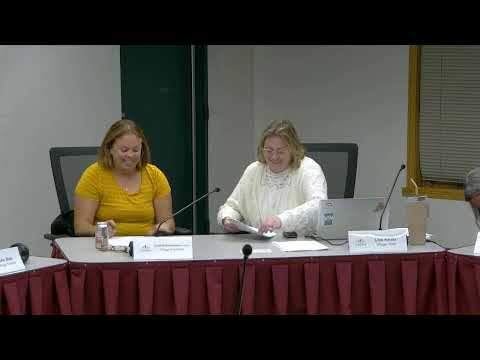
Briar Patch Youth Services presented an annual review of its restorative‑justice peer‑court program at the Sept. 15 Cottage Grove Village Board meeting, describing how restorative circles provide an alternative to municipal citations for youth and reporting recent usage and outcomes.
Why it matters: The program diverts minor municipal matters away from court to community‑led restorative processes, which advocates say reduce recidivism and connect youth to services while centering victims’ input.
Program overview and outcomes Jay (Briar Patch spokesperson) told the board the program began in the late 1990s and that its local peer‑court/restorative justice work in Cottage Grove has been supported with a recurring village contribution of $6,000 a year. The village’s police department now refers appropriate municipal‑citation cases to the RJ program rather than issuing tickets in some circumstances. The program is voluntary; youth may opt to pay a fine and not participate.
Since August of the referenced year the program received 22 referrals: 16 participants completed the RJ process successfully, three were unsuccessful, and three remained in progress at the time of the presentation. Attendees described the program’s target population as ages 12–17 and said referrals commonly involve municipal violations such as underage alcohol, retail theft and battery. Briar Patch staff said completed RJ agreements are actively monitored (typically a three‑month completion window) and that failure to complete an agreement can result in the case moving to municipal court.
Program practice and broader use Briar Patch described its restorative circles as voluntary gatherings that include the youth, family members, trained volunteers and, when appropriate, a victim’s statement or participation. The program aims to balance community safety, offender accountability and competency development for participants. The presenter noted that in Dane County juvenile diversion programs that use RJ, recidivism among participants can be far lower than among youth who do not participate (presenter cited county‑level data showing about a 5–6% progression into formal juvenile court for RJ participants vs about 25% otherwise).
Funding and service connections Briar Patch representatives said the organization serves roughly 2,000 youth annually across programs and uses village funding to support administrative costs and local programming. Staff emphasized the voluntary nature of RJ and said the program sometimes connects participants to other Briar Patch services (youth shelter, employment programs, parent support) when needs are identified.
Ending: Board members thanked Briar Patch staff and emphasized the program’s positive outcomes. The board asked a few operational questions (where circles meet, session length) and the presenter said circles can range from 30 minutes to several hours depending on the case and that meetings are scheduled to suit families’ needs.
AI generated
The text on this page is AI generated. Summaries, highlights, analysis, and video transcripts are all produced from the original source material.
AI can make mistakes, so if you spot one, and we will fix it for everyone.
Note: the source content is unaltered by us. Any content source we link to, be it a video, an audio recording, or a document, is presented exactly as its publisher released it. That publisher is usually a government body, sometimes an individual official or another organisation.