Lifetime Citizen Portal Access — AI Briefings, Alerts & Unlimited Follows
Chair Calls Vote to Approve United Nations Charter after Speaker Recalls 1945 Origins
Loading...
Summary
At a meeting, the chair called for a vote to approve the Charter of the United Nations after a speaker recounted the charter's 1945 origins in San Francisco and said the organization embodies collective security to prevent another world war.
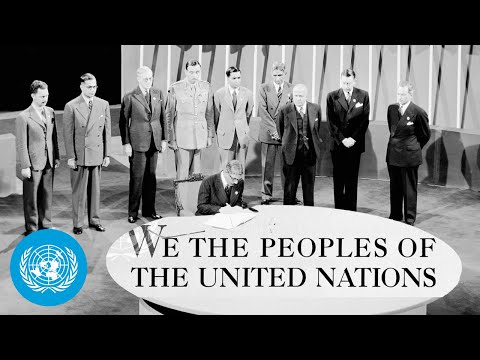
The chair called for a vote to approve the Charter of the United Nations after a speaker recounted the Charter's origin and significance during remarks at the meeting.
The speaker said the United Nations was created in 1945 after two catastrophic wars and described the Charter as a response to global demand for mechanisms to prevent a third world war. "In 1945, when the UN was created, humanity had gone through 2 catastrophic wars," the speaker said, adding that "the first world war, in which 30 million people or so had died, and a second world war, in which another 60 million people had perished," prompted states to seek collective security.
The speaker said delegates gathered in San Francisco in 1945 and drafted the UN Charter, which he characterized as embodying aspirations "for peace, for negotiating settlements, for handling food shortages, and and dealing with health issues and transportation." The speaker added that the Charter "has helped give the ground rules about how people should live their lives, how states should work with each other, how disputes can be settled," and called it "something we should all treasure for future generations."
During the meeting the chair said, "it is now my duty, my honor, and my privilege in the chair to call for a vote on the approval of the charter of the United Nations." The transcript does not record the result of that vote or further procedural details.
The remarks framed the Charter as both historical and ongoing: the speaker said the UN had "survived for 80 years" and, while at times effective and at times not, remained necessary to seek peace and cooperative solutions.
No ordinance, local policy, or statutory authority was cited in the discussion. The meeting record does not show whether the vote to approve the Charter was taken, how members voted, or any formal outcome.
The meeting proceeded without additional context in the available transcript about the vote result, next steps, or which body was voting. The speaker's remarks constituted a historical overview and an appeal to the Charter's symbolic and practical role in international affairs.