Lifetime Citizen Portal Access — AI Briefings, Alerts & Unlimited Follows
UN warns Gaza hospitals, fuel supplies and communications are on brink as aid access remains restricted
Loading...
Summary
The United Nations warned that hospitals in Gaza are operating beyond capacity amid severe shortages of fuel, medical supplies and communications, and that pauses or denials of access for aid and repair teams risk shutting down lifesaving services.
The United Nations said Wednesday that hospitals in Gaza are overwhelmed and that a prolonged restriction on fuel and other imports is putting lifesaving services at immediate risk. UN officials said the Nasser Medical Complex in Khan Younis is treating about twice as many patients as it can handle and lacks ventilators, monitors, beds and staff to operate effectively.
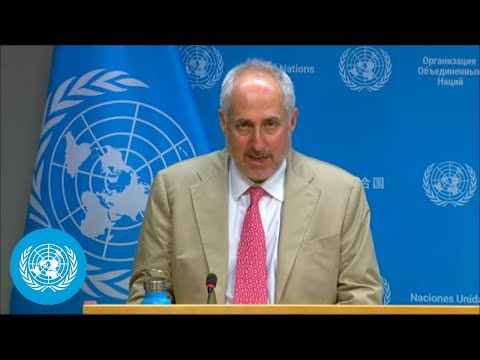
UN Spokesperson (name not specified) quoted Secretary-General António Guterres’s recent remarks at the Security Council, citing the link between conflict and persistent poverty, and relayed briefings from the World Health Organization and the UN Office for the Coordination of Humanitarian Affairs. "No human being should be killed trying to feed themselves or trying to feed their family," the Spokesperson said, summarizing UN statements about civilians killed while seeking aid.
The UN said no fuel had entered the Gaza Strip for 110 days and described a recent retrieval of about 280,000 liters of fuel from an area near Rafah as only a temporary reprieve. UN agencies reported that while that shipment "buys a bit of time, it is far from enough to keep lifesaving operations going," and warned that hospitals, ambulances, water desalination plants and telecommunications could shut down if fuel does not enter on a sustained basis.
UN humanitarian teams also reported a major telecommunications outage after a damaged fiber-optic cable, and said an Israeli-authorized team that was later impeded had been sent to locate and identify the cut; until repaired, people in central and southern Gaza remain cut off from information and coordination. The UN added that shelter supplies — tents, timber, tarpaulins — have not entered Gaza since March, and that makeshift accommodations in schools, public lots and rubble now exceed site capacity and lack basic infrastructure. UN agencies say roughly 980,000 shelter items, including 50,000 tents, are ready for dispatch once access is granted.
Background: The Spokesperson cited situation reports from WHO and OCHA regarding casualties arriving at Nasser Medical Complex, shortages of medical equipment and staff, and the impacts of restricted access on humanitarian coordination and civilians' ability to obtain help. The UN framed the situation as an acute humanitarian emergency that requires immediate and sustained access for fuel, medical supplies and repairs to communications infrastructure.