Lifetime Citizen Portal Access — AI Briefings, Alerts & Unlimited Follows
Pakistan says India’s actions raise regional risk, urges U.N.-supervised Kashmir plebiscite
Loading...
Summary
A representative of Pakistan told the U.N. Security Council that recent Indian measures and rhetoric have increased the risk of escalation, called for an independent investigation of an April incident and urged implementation of U.N. resolutions, including a U.N.-supervised plebiscite in Jammu and Kashmir.
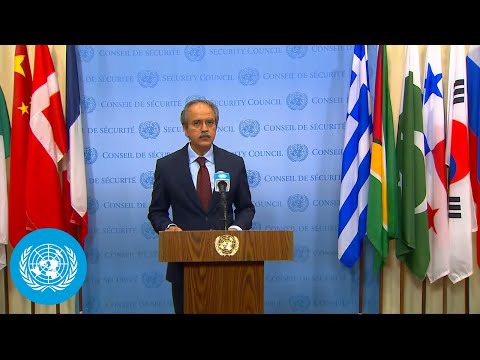
Representative of Pakistan told the United Nations Security Council that rising rhetoric, “military posturing,” and recent unilateral Indian measures have heightened the risk of confrontation between India and Pakistan and threatened regional and global peace.
The representative said the council meeting had three objectives: discuss the deteriorating security environment, exchange views to avoid confrontation and de-escalate, and recall the unresolved Jammu and Kashmir dispute and relevant U.N. resolutions. "The core of the regional instability is the unresolved Jammu and Kashmir dispute," the representative said.
The statement said Pakistan "came to the council with a message of peace, not provocation," while asserting that it was prepared to defend its sovereignty "in accordance with Article 51 of the U.N. Charter." The speaker characterized recent Indian actions as "unilateral measures," including what the statement described as the "illegal actions of 20 third April, military bridal, and inflammatory public statements," and said some of India's claims about Pakistan and an April attack were "recycled allegations, unsubstantiated, unverified." The representative asked the council to support an "independent, transparent, neutral, and credible investigation into the 20 second April incident."
The Pakistan representative also raised alarm about India's reported suspension of the Indus Waters Treaty, calling it a legally binding accord brooked by the World Bank and warning that using water as "a weapon" would endanger downstream states. The statement noted that the rivers governed by the treaty "sustain over 240,000,000 Pakistanis," and said any disruption of flow "constitutes aggression."
On human rights and Kashmir, the representative said the Kashmiri people face "gross human rights violations, extrajudicial killings, arbitrary arrests, and forced disappearances," and urged the Security Council to implement its own resolutions, including the holding of a U.N.-supervised plebiscite to let Kashmiris determine their future.
The representative called on the Security Council and the U.N. secretary-general to remain "actively engaged in peacemaking and preventive diplomacy," saying the council's role should be to prevent conflict through timely, principled action. "Peace must be built through dialogue, engagement, and respect for international law," the representative said.
No formal action or vote was recorded in the provided transcript excerpt; the statement concluded with a call for continued council engagement and for de-escalation and dialogue.
The remarks combined diplomatic appeals, allegations about Indian conduct, and requests for U.N. involvement and investigation. Several quantitative claims were made during the statement, including references to "more than 70 years" of unresolved dispute, that the Indus rivers sustain "over 240,000,000 Pakistanis," and that Pakistan has suffered the loss of "over 90,000 lives" in its fight against terrorism; the transcript supplies these figures as part of the speaker's statement.