Residents, parents and program staff urge Boulder to find path for longtime SAGE nature‑based program after code enforcement
Summary
Dozens of residents, parents and program supporters urged Boulder City Council on May 1 to find a way to let a longtime nature‑based homeschool enrichment program called SAGE continue operating after code complaints and building‑permit questions forced organizers to halt activities.
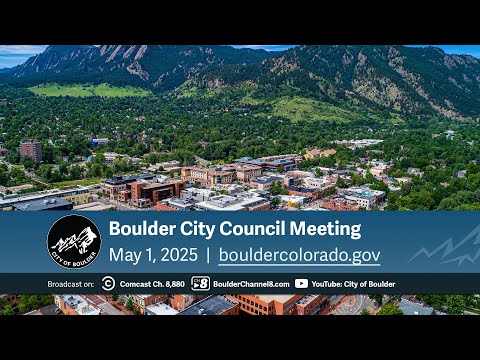
Boulder — Dozens of residents, parents, former participants and staff spoke during public comment at the May 1 Boulder City Council meeting to urge city officials to find a path forward for SAGE programs, a nature‑based homeschool enrichment program that supporters say has operated on the same property for more than 30 years.
Supporters described the program as a small, community‑based nature program for homeschool families that does not operate like a conventional school. Speakers said the program’s founders and elders — including two who are in their 80s — are overwhelmed by the cost and complexity of the land use and permitting route staff say is required.
Why the issue surfaced
Nathan Knecht, an architect working on behalf of SAGE programs, told council the program and property have two outstanding enforcement issues: an enforcement action related to the program’s use and separate violations tied to buildings on the site. Knecht said the program’s leaders chose to pause programming after receiving the complaint about the program being operated as a school.
“We don’t really know how to classify it. We know it’s not a school. We know it’s a program that offers something that a school doesn't offer,” Knecht said, adding the group has submitted a permit for an accessory structure and asked for exceptions to allow inspection of electrical, plumbing and mechanical systems rather than triggering deconstruction.
Several speakers asked council to allow the property’s accessory building — which they said dates to the 1980s and was maintained over decades — to remain in use and to grandfather the existing program into the zoning framework using an older, unused permit tied to the site. Supporters described the program as offering nature based learning, community rituals, harvesting and small‑group gatherings not normally provided by conventional schools.
Staff response and next steps
Brad Mueller, director of planning and development services, said the city opened its review after complaints and that his office had identified both life‑safety violations and a potential land‑use designation question. Mueller quoted the municipal code’s definition and said the city’s initial reading is that the property meets the municipal code definition of a school.
“We use the definition, of course, that's found in the municipal code and it does qualify for a school under that designation,” Mueller said. He and other staff said the use‑review process is the path staff is recommending; they also told council that many use reviews are ultimately approved and that staff are working with the SAGE representatives to find a pathway.
What supporters asked the council to do
Speakers asked council to: grandfather the SAGE program and its existing accessory building into the zoning framework on the basis of longstanding use; allow limited inspections for electrical/plumbing/mechanical in the existing accessory structure rather than requiring full deconstruction; and to pursue a creative zoning or permitting pathway that recognizes the program’s small size and community character.
Voices at the podium
- Christopher Susano described his decades of involvement with the program and emphasized its role as an enrichment program for homeschool families rather than a conventional school. - Leah Fiorione, a parent, described the program as “nature‑based, spiritually rooted” and asked council to use the property’s historical permit from the 1980s as a basis for grandfathering the program’s accessory building. - Sage Hamilton (identified in testimony as a program leader) and other longtime supporters described morning circles, seasonal celebrations and multi‑generation stewardship of the land. - Several speakers, including Nathan Knecht (architect) and adjacent neighbors, asked the city to offer a pathway that would allow the program to resume without imposing the full set of rules applicable to conventional schools.
What staff said about timelines and options
Mueller and other staff said the use‑review process is the formal path for determining allowable use and that staff have been working with the group. The city’s director of planning offered to provide a written summary of the outstanding technical corrections and next steps to council if requested. Council members asked clarifying questions about the difference between site review and use review and the consequences of a determination that the use qualifies as a school.
No formal council action was taken at the meeting. Council members asked staff for a written summary of where things stand and for continued outreach to the program representatives.
AI generated
The text on this page is AI generated. Summaries, highlights, analysis, and video transcripts are all produced from the original source material.
AI can make mistakes, so if you spot one, and we will fix it for everyone.
Note: the source content is unaltered by us. Any content source we link to, be it a video, an audio recording, or a document, is presented exactly as its publisher released it. That publisher is usually a government body, sometimes an individual official or another organisation.