Lifetime Citizen Portal Access — AI Briefings, Alerts & Unlimited Follows
IOM director warns Haiti faces dire humanitarian crisis amid funding and security shortfalls
Loading...
Summary
Amy Pope, director general of the International Organization for Migration, said access, security and funding gaps are preventing aid delivery in Haiti, where about 1 million people are displaced and Port-au-Prince is largely under gang control.
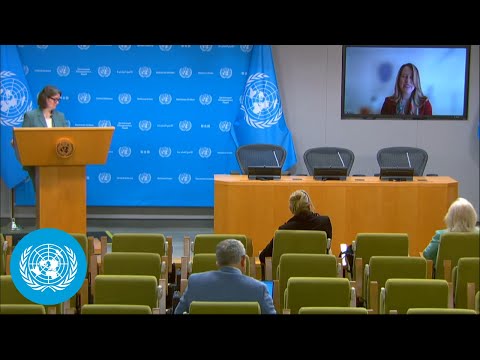
Amy Pope, director general of the International Organization for Migration (IOM), told a United Nations Correspondents Association briefing on Oct. 26, 2025, that Haiti’s humanitarian situation is “complicated, complex, [and] dire,” with substantial barriers to getting aid to people in need.
Pope said the capital, Port-au-Prince, is about 85% controlled by gangs, making road access unsafe and unpredictable for humanitarian workers and diplomats. “It is impossible for people to go in and out of the capital city safely by road,” she said, and noted that even air travel by helicopter is unreliable.
The IOM chief said roughly 1 million people have been displaced in recent months and described displacement sites in the capital as tightly packed with limited sanitation, hygiene and protection, particularly for women and girls. Pope said children at sites have little or no access to formal education and that food insecurity is high.
Pope warned that security shortfalls and funding cuts are compounding the crisis. She said the multinational security support (MSS) force pledged to Haiti originally totaled 2,500 personnel, but about 1,000 were present at the time of her visit and were largely from Kenya. “Without stability, without security, it’s difficult to get humanitarian aid to people who need it,” she said.
On weapons and violence, Pope cited an estimate that “there are over half a million guns” in Haiti, underscoring concerns that even a larger MSS presence might face challenges establishing order.
Pope also described constraints on IOM operations tied to funding changes from major donors. She said the United States, historically a major funder, issued an initial stop-work order that affected many projects; roughly 70% of previously suspended U.S.-funded work has since resumed, she said. The suspension led IOM to streamline headquarters operations and reduce staff while localizing personnel closer to field operations.
Regarding returns, Pope noted that governments in the region have been returning Haitians for some time — most notably the Dominican Republic, which returned about 200,000 people last year. IOM provides basic humanitarian support for returnees, such as blankets, hygiene kits and food assistance in coordination with partners including the World Food Programme, but Pope said returning people from the capital is often infeasible because roads and safe places to stay are not available.
Pope said she met with Haitian ministers, members of the transitional council, local community actors and displaced people during a recent visit but did not have the opportunity to meet MSS troops in the field. She also reported that IOM staff have been kidnapped and evacuated in some cases.
Reporters on the call pressed for details about the size of the MSS deployment and the impact of U.S. funding changes. Edith Lederer of The Associated Press asked whether Pope had met members of the Kenyan contingent and whether MSS numbers were sufficient. Pope said she had not met MSS troops on that visit and that she was not in a position to advise an exact force size, but emphasized partner concern that 1,000 personnel was inadequate given continued gang advances.
Stefano Vaccara of La Voce asked about IOM’s relationship with the U.S. administration and the organization’s budgetary adjustments. Pope said the United States has been a founding and major partner but stressed that IOM also receives support from many other member states, private sector donors and international development banks. She said IOM had taken rapid internal measures — including staff reductions and headquarters streamlining — and was prioritizing core activities while relying on other U.N. partners for complementary work.
On humanitarian access and future migration flows, Pope warned that instability in Haiti risks generating further irregular migration and returns to a country with limited capacity to receive people. “If people are going home, ensuring that they don’t become targets of the gang violence and have a safe place to stay” is the central challenge, she said.
The briefing closed with Pope urging continued international attention and financing, saying Haiti “has not received the level of attention or funding that is so desperately needed at this moment in time.”