Lifetime Citizen Portal Access — AI Briefings, Alerts & Unlimited Follows
UN flags new displacement and disease outbreaks in eastern Democratic Republic of Congo
Loading...
Summary
The UN said thousands have been displaced in North and South Kivu and Tanganyika provinces, schools are sheltering large numbers of people, and health partners are responding to cholera and MPOX surges in parts of South Kivu and Ituri.
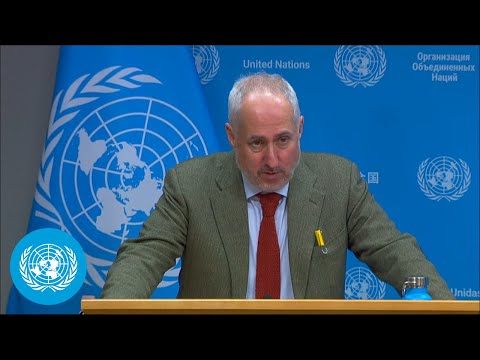
The UN spokesperson, Spokesperson of the United Nations Secretariat, said the volatile situation in North and South Kivu provinces has driven a new wave of displacement and is disrupting education and health services.
He said more than 25,000 people — mostly previously displaced persons — arrived in Kanyabayonga, North Kivu, since April 8 after fleeing violence in Lubero territory. In Tanganyika province, local authorities reported nearly 1,200 children unable to attend school in the village of Luquangulo; an estimated 3,000 displaced people were sheltering in two schools there. Since February, the Keleme territory has been hosting more than 50,000 people, the spokesperson said.
The spokesperson reported that in South Kivu local health officials had detected a cholera outbreak in the Minova area with more than 100 new cases reported between April 6 and April 12 and that response efforts — including medical treatment and infection-control measures with health partners — were underway. He added that the Minova area is also experiencing a surge in MPOX cases, reporting 41 cases in week 15 compared with 14 the previous week.
In Ituri province, the spokesperson said some health services have resumed at Fataki hospital as of April 15 after nearly a month-long suspension because of violence. The briefing noted that limited operational presence by partners in some high-need areas is constraining the response and increasing protection risks for displaced women and children.