Lifetime Citizen Portal Access — AI Briefings, Alerts & Unlimited Follows
U.N. spokesperson details mounting humanitarian crises in Sudan, Gaza and Ukraine
Loading...
Summary
At a U.N. press briefing, the U.N. spokesperson summarized escalating civilian harm and access problems in Sudan and Gaza, reported a deadly missile strike in Sumy, and outlined U.N. travel and operational updates across several crises.
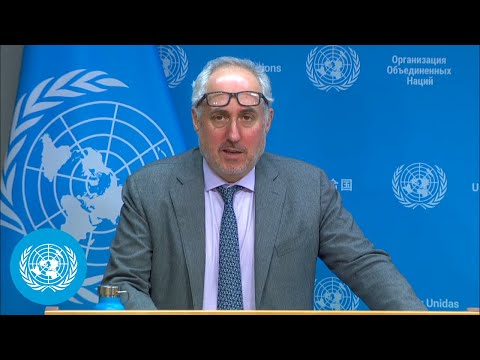
The United Nations spokesperson, Steph, summarized humanitarian and political developments across several conflict zones and crisis areas at a U.N. press briefing, highlighting deadly attacks in Sudan and Ukraine and a deepening humanitarian collapse in Gaza.
Steph said the U.N. has condemned recent attacks in North Darfur and cited preliminary local-source figures indicating that more than 300 civilians have been killed in recent violence around Al-Fashir and nearby displacement sites, including Zamzam camp. The briefing said 10 humanitarian staff from Relief International were among the dead and that insecurity has besieged parts of the Al-Fashir area for more than a year, impeding aid and displacing thousands.
The briefing matters because the reported casualties and access constraints are worsening already fragile humanitarian operations in Darfur, and the U.N. and partners are calling for protection of civilians, access for aid workers and accountability under international law.
On Sudan, Steph said humanitarian partners report rapidly deteriorating protection and basic-service conditions in Al-Fashir and neighboring localities, with local partners estimating that at least 16,000 people were displaced from Zamzam during the period cited and that humanitarian access has been severely restricted. Humanitarian teams were preparing distributions of essential household kits to about 2,000 newly displaced families, she said, but ongoing insecurity is limiting deliveries and posing risks to personnel.
Turning to Gaza, the spokesperson described the humanitarian situation as “likely to be the worst it has been in the 18 months since the outbreak of hostilities,” noting that it has been about one and a half months since any supplies were allowed through crossings into Gaza. Steph said recent displacement orders issued by Israeli authorities over a weekend covered more than 33 square kilometers — about 9% of the Gaza Strip — and that U.N. assessments indicate medical points and other survival facilities are included within those orders. She added that roughly 70% of the Gaza Strip is now under displacement orders or designated no-go zones for humanitarian teams, and that fuel has not been brought into Gaza since the latest closures began.
Steph also cited what she described as reported strikes on hospitals and humanitarian facilities in Gaza. The World Health Organization Director-General, Dr. Tedros Adhanom Ghebreyesus, was quoted in the briefing as saying a hospital had gone out of service after receiving an evacuation order and being attacked, and calling for an immediate halt to attacks on health care and for the protection of patients, health workers and hospitals in line with international law.
On Ukraine, the spokesperson said the U.N. issued a statement expressing shock and deep alarm at a missile attack on Sumy that reportedly killed at least 34 people, including two children, and wounded many others; the briefing said two missiles struck a crowded street and damaged a public bus, university facilities, residential buildings and civilian vehicles. The U.N. humanitarian coordinator for Ukraine was cited as reporting emergency assistance to survivors, including first aid, shelter and psychosocial support.
Other updates in the briefing included: Deputy Secretary-General Amina Mohammed’s travel to Hanoi to attend the Partnering for Green Growth and the Global Goals 2030 Summit; Under-Secretary-General for Political and Peacebuilding Affairs Rosemary DiCarlo’s travel to Damascus and planned meetings in Lebanon to reiterate U.N. support for political processes and to visit the UNIFIL peacekeeping mission; reporting that the U.N. mission in South Sudan is stepping up patrols amid clashes in Upper Nile and that youth leaders in Abyei signed a local cessation-of-hostilities agreement after a four-day dialogue; and an International Organization for Migration visit to Haiti by IOM Director General Amy Pope.
The briefing also summarized humanitarian assessments and other crises: U.N. Development Programme remote-sensing analysis in Myanmar estimating some 2.5 million metric tons of earthquake debris (about 125,000 truckloads) requiring removal; OCHA damage assessments in Ecuador’s Esmeraldas province estimating that at least 50,000 people have been impacted by a recent oil spill and that more than 37,000 women who relied on shellfish gathering and related livelihoods have been affected; and World Chagas Disease Day observances noting roughly 10,000 deaths annually attributed to the disease.
Steph said the U.N. has been publicly calling for parties to uphold obligations under international humanitarian law, to allow unimpeded humanitarian access, and to protect civilians and humanitarian personnel. She also noted that the secretary-general’s office and U.N. agencies will continue to raise these issues in upcoming international meetings and briefings.
The briefing included questions from reporters on the casualty figures in Sudan, the characterization of Israeli measures in Gaza, and expectations for an upcoming conference on Sudan. Steph said the U.N. would verify casualty figures and urged international unity of purpose in seeking political solutions and supporting humanitarian response. She cautioned that legal determinations about alleged violations are matters for judicial bodies.
The briefing concluded with logistical notes about upcoming U.N. travel and events and a brief recognition that a member state had paid its assessed dues in full.