Get Full Government Meeting Transcripts, Videos, & Alerts Forever!
CAPSA presents 'shame‑free conversations' curriculum during Sexual Assault Awareness Month
2956625 · April 11, 2025
AI-Generated Content: All content on this page was generated by AI to highlight key points from the meeting. For complete details and context, we recommend watching the full video. so we can fix them.
Summary
CAPSA representative Alina Bolling briefed the council on survivor services and presented a prevention-focused curriculum called 'shame-free conversations' for community organizations and civic leaders.
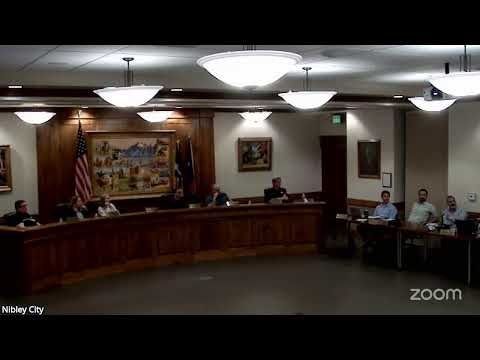
Alina Bolling of CAPSA (Cache-area sexual-assault support organization) presented to the council on April 10 in recognition of Sexual Assault Awareness Month and described the organization’s confidential services, legal advocacy and trauma-informed care.
Bolling emphasized the emotional and social barriers survivors face, notably shame and fear, and described a…
Already have an account? Log in
Subscribe to keep reading
Unlock the rest of this article — and every article on Citizen Portal.
- Unlimited articles
- AI-powered breakdowns of topics, speakers, decisions, and budgets
- Instant alerts when your location has a new meeting
- Follow topics and more locations
- 1,000 AI Insights / month, plus AI Chat
30-day money-back on paid plans