Lifetime Citizen Portal Access — AI Briefings, Alerts & Unlimited Follows
UN observer force reports Israeli forces in Golan separation zone, cites explosions and restrictions on movement
Loading...
Summary
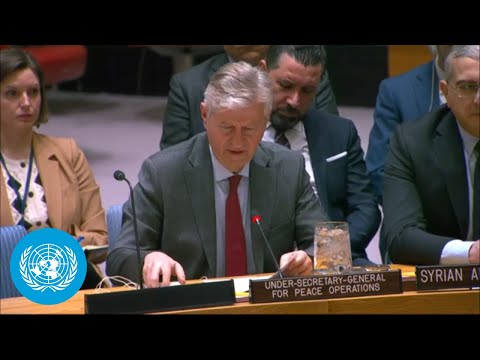
A United Nations Disengagement Observer Force representative told the Security Council that since Dec. 8 Israel Defense Forces positions and recent kinetic activity in the Golan’s area of separation and limitation have limited UNDOF movement and provoked clashes with residents.
A United Nations Disengagement Observer Force (UNDOF) representative told the Security Council that Israeli forces have occupied positions within the UN-designated area of separation and that recent Israeli military activity has produced explosions, restricted movement for residents and UNDOF personnel, and prompted clashes in several towns.
The UNDOF representative said Israel Defense Forces (IDF) units have been present in the area since Dec. 8 and currently occupy 12 positions — 10 in the area of separation and two in the area of limitation near the Bravo line — and have erected counter-mobility obstacles, flown aircraft across the ceasefire line and conducted helicopter operations into the area of separation. "There should be no military forces or activities in the area of separation other than those in UNDOF," the UNDOF representative said.
Why it matters: UNDOF implements the 1974 Disengagement of Forces Agreement, and the representative warned that unauthorized presence or activity undermines the ceasefire and UNDOF’s freedom of movement. That limitation on UN movements complicates UNDOF’s ability to monitor and report on security trends in the Golan area of operations and raises humanitarian concerns for local civilians, according to the report.
Details from the report included allegations of restrictions on movement of UNDOF and Observer Group Golan personnel, and restrictions on residents, including detentions and seizure of livestock. The representative said residents in some areas "have protested disruptions from IDF activities, including farming, detention of civilian, and seizure of large numbers of livestock," and that some residents "have also appealed to UNDOF to ask the IDF to leave their villages."
UNDOF personnel, supported by Observer Group Golan, continued observation, patrols and reporting despite the conditions. The representative told the council that UNDOF recorded multiple explosions on the Bravo side in recent weeks, which UNDOF assessed as "significant kinetic activity linked to the efforts of the IDF to...demilitarize the south of Syria," according to the report.
The statement summarized specific incidents and dates provided to the council: on March 27 the IDF said armed individuals opened fire from an area called Khoheia and that an aerial asset was fired upon; and in the early morning of April 3 UNDOF personnel observed IDF troops moving on the Bravo side and later heard and observed multiple explosions in the southern part of the area of limitation that UNDOF assessed to be the result of IDF artillery fire likely in Nawa and Tasil. The IDF informed UNDOF that it had struck "remaining military capabilities" in Syrian military bases including Hama and T4 and additional infrastructure in the Damascus area and said it would "continue to act to eliminate any threat to the citizen of the state of Israel," the UNDOF representative recounted.
Open-source reports cited in the UNDOF statement said residents in Deira and nearby towns including Tasil and Nawa clashed with an IDF convoy that attempted to enter the towns, forcing the convoy to retreat under IDF air cover.
UNDOF said it continues to liaise with both parties and to engage on issues that affect UNDOF operations and complaints conveyed by residents. According to the representative, senior Israeli officials told UNDOF leadership they considered their presence necessary "to secure it from what they described as terrorist elements" and said Israel had no territorial ambitions in Syria while reiterating the expectation of demilitarization southwest of Damascus. UNDOF also reported a new liaison arrangement with Syrian authorities to reinforce coordination mechanisms, including enhanced information-sharing and regular consultative meetings.
The UNDOF representative urged all parties to uphold their obligations under the 1974 Disengagement of Forces Agreement, to end unauthorized presence in the areas of separation and limitation and to refrain from actions that would undermine the ceasefire and stability. "UNDOF must have freedom of movement in its area of operations," the representative said, adding that the safety and security of UNDOF personnel conducting their mandated task "is of the highest priority."
In conclusion, the representative said UNDOF remains essential for stability in the Golan and in the region and called for the continued cooperation of both parties and unanimous Security Council support for the force.