Lifetime Citizen Portal Access — AI Briefings, Alerts & Unlimited Follows
House commission hears plan for a statewide youth-sports code of ethics
Loading...
Summary
Lawmakers and sports bodies discussed House Bill 303, which would establish a code of ethics covering coaches, athletes and officials in Puerto Rico. Supporters said a code could promote respect and reduce abusive conduct; speakers warned about jurisdictional limits, duplication with existing laws and implementation challenges.
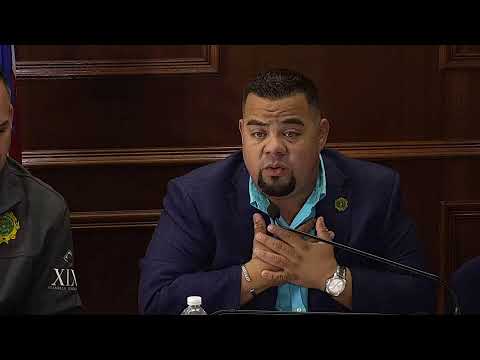
Representative Luis José Ang Jiménez Torres, president of the House Commission on Recreation and Sport, opened a public hearing on legislation that would create a comprehensive code of ethics for coaches, athletes and sports directors in Puerto Rico (House Bill 303). The bill’s sponsor and several witnesses told the commission the measure aims to protect young athletes and promote respectful conduct across youth sports.
The measure “proposes establecer un marco ético y de conducta para todos los participantes del deporte juvenil, [no profesional], promoviendo un ambiente deportivo basado en el respeto, la integridad y la transparencia,” Sara Rosario, president of the Comité Olímpico de Puerto Rico (COPUR), said in her written presentation to the commission.
Why it matters: Witnesses framed the bill as a response to recurring reports of verbal, emotional and sometimes physical mistreatment in youth competitions. Supporters said a clear code could reinforce existing training, set expectations for parents and officials, and make it easier to educate coaches.
What presenters told the committee - Sara Rosario (COPUR president) emphasized COPUR’s support for stronger ethics standards but warned of limits if COPUR were named the code’s administrator. “Nuestro constitución establece en el artículo tres cero ocho todo lo relacionado al tribunal apelativo y de arbitraje deportivo,” she said, noting COPUR already operates an appeals tribunal and that it cannot act simultaneously as judge and party in disputes involving federations not affiliated to it. - Héctor Vázquez Muñiz, secretary (signed) for the Department of Recreation and Sports (Departamento de Recreación y Deportes, DRD), and Edwin Hernández (DRD representative) told the commission that the department already regulates licensing and offers training. As the DRD presentation notes, “Como requisito para renovar cualquier licencia... deben presentar evidencia de haber tomado cuatro horas de psicología deportiva.” DRD officials recommended any new code be practical, implementable and coordinated with existing regulations. - Edwin García (Procurador) backed the bill’s goals and recommended focusing the code’s language on expected conduct first, with sanctions and procedures placed later in the text. - Event organizers including Brian García (Buzzer Beater) and tournament staff said they support clearer standards but cautioned against duplicating existing disciplinary mechanisms held by federations and by the DRD.
Limits and implementation concerns Speakers repeatedly cautioned that the island’s sports ecosystem is diverse: some leagues, clubs and events are affiliated with national federations or COPUR, while many others operate independently. COPUR and several witnesses warned the measure should avoid creating a body that would be “juez y parte” (judge and party) over federations that have their own internal disciplinary systems. The DRD and COPUR urged the commission to align any new code with current laws and regulations already governing licensing, background checks and anti-harassment protocols.
Legal and regulatory context Witnesses cited existing law and rules that intersect with the bill, including the recently enacted law addressing harassment and abuse in sport (Ley 133, 2024), the law that created Puerto Rico’s anti-doping framework (Ley 108), the Department of Recreation and Sports’ enabling law (Ley 8, 2004) and existing DRD regulations on coach licensing and youth protection. Several presenters recommended referencing the Charter of Rights of the Child and existing DRD licensing rules when drafting the code.
Next steps and committee direction Members asked DRD for written course and licensing records and discussed producing a concise, implementable code that can be widely publicized and taught to coaches, parents and referees. Several lawmakers and panelists urged that any statutory language be narrowly tailored to avoid overlap with criminal statutes and existing federation processes.
Ending: The commission accepted offers from COPUR and the DRD to provide existing codes and policies for review and asked staff to collect licensing and training rosters for follow-up at the next meeting.