Get Full Government Meeting Transcripts, Videos, & Alerts Forever!
Get email alerts on the Reparatory Justice topic
No spam. Unsubscribe anytime.
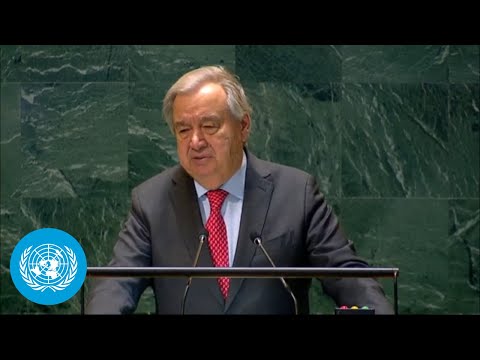
Speaker invokes United Nations, urges reparatory justice for transatlantic slave trade
Summary
Speaker 1, identified only in the transcript, called the Transatlantic slave trade "an indelible stain on the conscience of humanity" and urged nations to acknowledge historical harms and pursue reparatory justice grounded in international law.
Speaker 1, identified only in the transcript, called the Transatlantic slave trade "an indelible stain on the conscience of humanity" and urged nations to acknowledge historical harms and pursue reparatory justice grounded in international law.
"For more than 4 centuries, enslaved Africans were kidnapped and trafficked, dehumanized, abused, and exploited," Speaker 1 said, adding that the scale and cruelty of the trade are "uncomprehensible." The speaker said that the trade was enabled by insurers, bankers, shipping companies and legal systems and that those institutions amassed wealth "on the back of human suffering."
In a portion of the remarks that referred to historical reparations, Speaker 1 said that when slavery was abolished, "it was not the enslaved who were compensated, but the enslavers receiving reparations equivalent to billions of dollars in today's money," and noted that Haiti had been required to fund payouts to former enslavers as part of securing independence. The speaker cited examples of resistance — "from revolution in Haiti to the underground railroad in the United States" — as part of a broader case for acknowledging and repairing past harms.
The speaker urged that preparatory justice frameworks be "grounded in international human rights law developed with the participation of affected communities," and named specific international instruments when outlining legal obligations. "That means countries complying with their international obligations, including the Universal Declaration of Human Rights, implementing the International Convention on the Elimination of All Forms of Racial Discrimination," Speaker 1 said, and called on states to become parties "to the convention" wherever racism appears.
Speaker 1 also pointed to ongoing public-education steps, saying museums and public spaces are beginning to commemorate resistance and contributions of people of African descent, and that these measures "are a start, but we need much more." The remarks referenced recent international advocacy, noting the speaker had heard appeals for preparatory justice at the African Union Summit and the Caribbean Community heads-of-government meeting.
The address framed reparatory justice as both moral and legal work and urged broad participation: "I urge everyone to play their part in both in building inclusive societies free from the evils of racism," Speaker 1 said. The remarks closed with a call for governments to strengthen efforts "to combat racial discrimination and hate and to defend the human rights and dignity of all."