Lifetime Citizen Portal Access — AI Briefings, Alerts & Unlimited Follows
Committee reviews DACL FY26 proposal as mayor funds safe-at-home, meals and trims one-time grants
Loading...
Summary
The Committee on Executive Administration and Labor, chaired by At-Large Councilmember Anita Bonds, heard Department of Aging and Community Living Director Charon PW Hines on June 16 about the department's FY26 proposal, which includes a $300,000 enhancement to Safe at Home and $425,000 for home-delivered meals while several programs face reductions tied to the expiration of one-time funding.
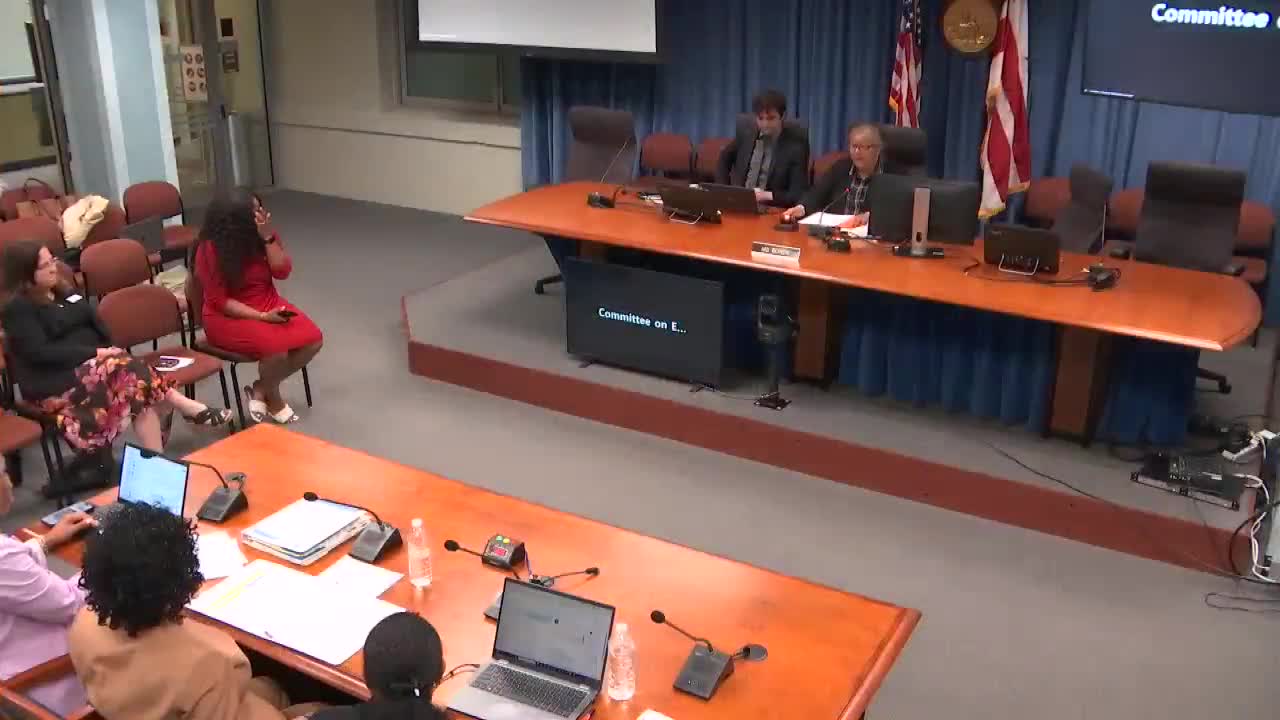
The Committee on Executive Administration and Labor, chaired by At-Large Councilmember Anita Bonds, heard Department of Aging and Community Living Director Charon PW Hines on Monday, June 16, about the department's proposed fiscal year 2026 budget under Mayor Muriel Bowser's GrowDC plan.
Hines told the committee the FY26 proposal would allocate about $62.2 million and 121.8 FTEs to DACL and that the department's net reductions reflect largely the expiration of one-time and ARPA-funded enhancements rather than reductions to ongoing local funds. "Without the seniors, there is no us," Hines said as she described the agency's priorities.
The hearing focused on several specific program changes: a $300,000 enhancement to the Safe at Home program to serve roughly 45 additional households; a $425,000 proposed increase for the home-delivered meals program to serve about 150 more homebound residents; programmatic changes to the Connector Card transportation subsidy; and a number of reductions tied to the end of one-time federal or local funding streams.
Why it matters
DACL runs services relied on by many older District residents, including nutrition programs, senior wellness centers and a range of transportation and in-home safety efforts. Committee members framed the hearing as part of a compressed budget review process in which they must weigh limited resources while trying to avoid interruptions to services seniors depend on.
What the budget would do
- Safe at Home: The mayor's proposal adds $300,000 to the Safe at Home program, which DACL says has helped make nearly 7,500 homes safer through modifications such as grab bars, handrails, ramps, stair lifts and lighting improvements. DACL told the committee the enhancement would support roughly 45 additional households. DACL said occupational therapists perform in-home assessments; the agency provided an average cost per comprehensive Safe at Home project of about $6,600 and a stated maximum of $7,000.
- Home-delivered meals and congregate dining: The FY26 proposal increases funding for home-delivered meals by about 12% and community dining by about 6%, according to DACL testimony. Hines said roughly 1,400 homebound older adults currently receive delivered meals and that the new funding would add approximately 150 more recipients. DACL detailed multiple nutrition efforts, including a $125 monthly "food for choice" gift-card program (about 500 seniors), an Eat Well Live Better box program (about 700 seniors), and partnerships with vendors such as Mom's Meals, Feeding America partners and the Capital Area Food Bank.
- Transportation and the Connector Card: DACL said transportation funding faces cuts driven mainly by the removal of one-time federal grants. The Connector Card program, which provides a monthly subsidy for rideshare, bus and rail, has been revised to require proof of income, implement a sliding subsidy scale and apply a 90-day inactivity rule to reallocate unused balances to active participants. DACL said the income thresholds follow federal guidelines: households at about $12,139 annual income receive the full $100 monthly subsidy while households at about $26,000 receive a smaller subsidy ($30 monthly). The Connector Card had roughly 600 seniors on a waiting list at the time of the hearing. DACL said contract administration for Connector Card is budgeted at $1.7 million and MedExpress administration at $1.8 million; DACL clarified the administrative contract does not itself set vendor fares.
- One-time/ARPA reductions and lead agencies: Numerous reductions presented at the hearing were attributed to the expiration of one-time local or American Rescue Plan Act (ARPA) funds that supported grantees in FY25. DACL told the committee it provided an 8% advance to grantees at the start of the year (including Foggy Bottom Village when it acts as a fiduciary for the villages) and then reimburses on invoices; the agency said it moved from a prior 25% advance to 8% because of recovery and accounting issues. Lead agencies received ARPA one-time funds in FY25 (about $50,000 per lead agency in many cases) that are not recurring in FY26, and DACL said those reductions typically affected FTEs or social services coordination positions funded for a limited period.
- Adult Protective Services and legal hotline: DACL said it had received multi-year ARPA funding for adult protective services that will expire Sept. 30, 2025; the agency said some legal hotlines and one-time attorney support funded in FY25 are not continued in the FY26 proposal. DACL provided counts during the hearing: for FY25 to date it had received 1,647 APS referrals and screened in 767 cases (screened out 874).
Questions from the committee and follow-ups
Chairperson Bonds and Councilmember Matt Fruman pressed DACL for detail on program costs, data and client outcomes. Bonds asked whether seniors can simply walk into community dining sites; DACL confirmed seniors aged 60 and above can receive a hot meal, and the agency said there are more than 40 community dining locations and senior wellness centers across the eight wards. Bonds also asked for follow-up data on Safe at Home costs for common modifications (grab bars, stair railings, stair-lift battery replacement counts and costs) and for documentation of participation and client-level data from senior villages; DACL committed to follow up in writing.
DACL described its data systems and monitoring: staff and the senior service network use SEA STARS (maintenance cost cited at about $66,000 per year) to track participation across case management, APS and nutrition programs. The agency acknowledged gaps in data reporting from some village grantees and said it is working with the new Villages Collaborative and Foggy Bottom (the fiduciary agent) to improve reporting.
Additional program details cited at the hearing
- Nutrition: DACL said it serves about 1,700 congregate meals, operates roughly 46 dining sites citywide and runs several supplemental food programs (Eat Well Live Better, Hungry Harvest, nutrition supplements for frail seniors).
- Vendors and procurement: DACL said the Office of Contracting and Procurement has notified vendors about awards for community dining and that two vendors (identified at the hearing as Dutch Mill/Great American and Ocean Pro) will receive notices of award to supply meals by ward divisions.
- Senior ambassadors and outreach: DACL said it trains more than 200 volunteer senior ambassadors (no stipend) in multiple languages to serve as community liaisons.
What the committee directed or requested
Committee members asked for written follow-up on: the Safe at Home unit costs and installation counts by modification type; full lists of lead-agency budgets and baseline position requirements; the number and status of village participants and invoices; APS referral and open-case counts (DACL provided initial FY25 referral and screening numbers during the hearing and committed a written follow-up); Connector Card income guidelines and implementation details; and SEA STARS costs and outputs.
No formal votes or budget amendments were taken at the hearing. Bonds set a written hearing record close of Monday, June 30, 2025, at 5 p.m. and said the committee would continue its markup schedule in the coming weeks.
Selected quotes
- "Without the seniors, there is no us," Director Charon PW Hines said of DACL's mission and priorities.
- Chairperson Anita Bonds asked, "Can a senior just walk into any location?" and DACL staff confirmed community dining sites welcome any senior aged 60 and older and that sites maintain intake information for safety and dietary concerns.
Ending
The committee emphasized it will use the hearing's follow-up materials when members review and mark up the FY26 budget. The full committee's next oversight hearing listed at the close of the session was scheduled for June 17, 2025, and the DACL hearing record will remain open for written submissions through June 30, 2025, at 5 p.m.